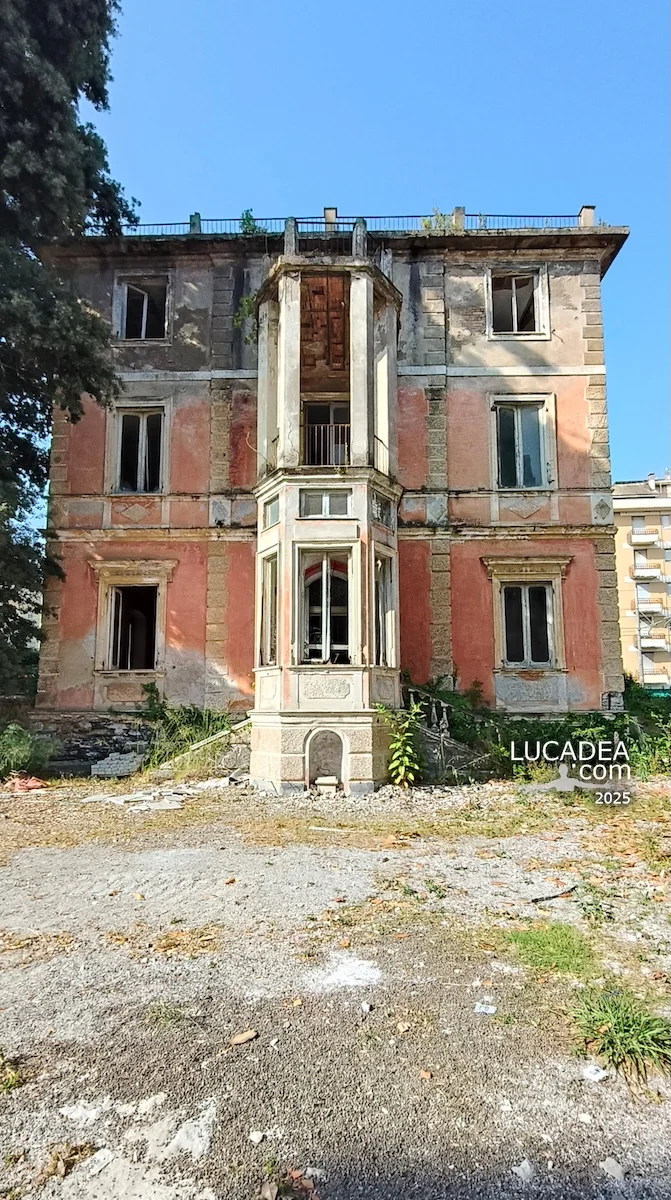
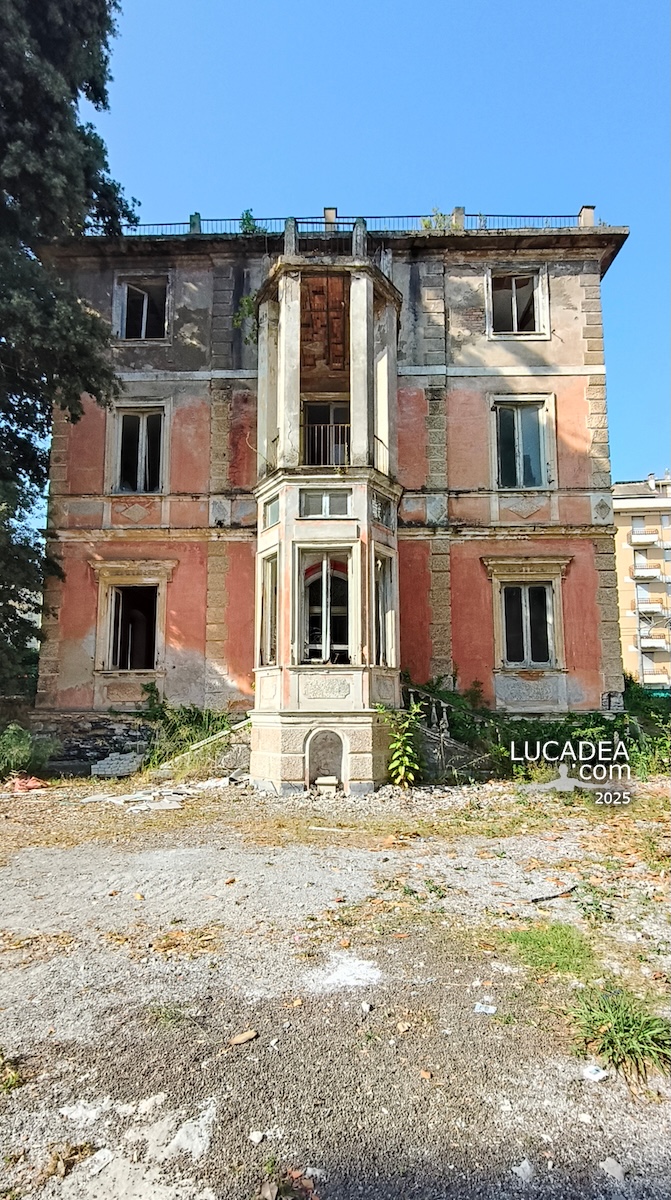
Abandoned villa on Dei Devoto street in Lavagna

Villa abbandonata in via Devoto a Lavagna con facciata storica rovinata e dettagli architettonici ancora visibili.

Abandoned villa on Dei Devoto street in Lavagna.
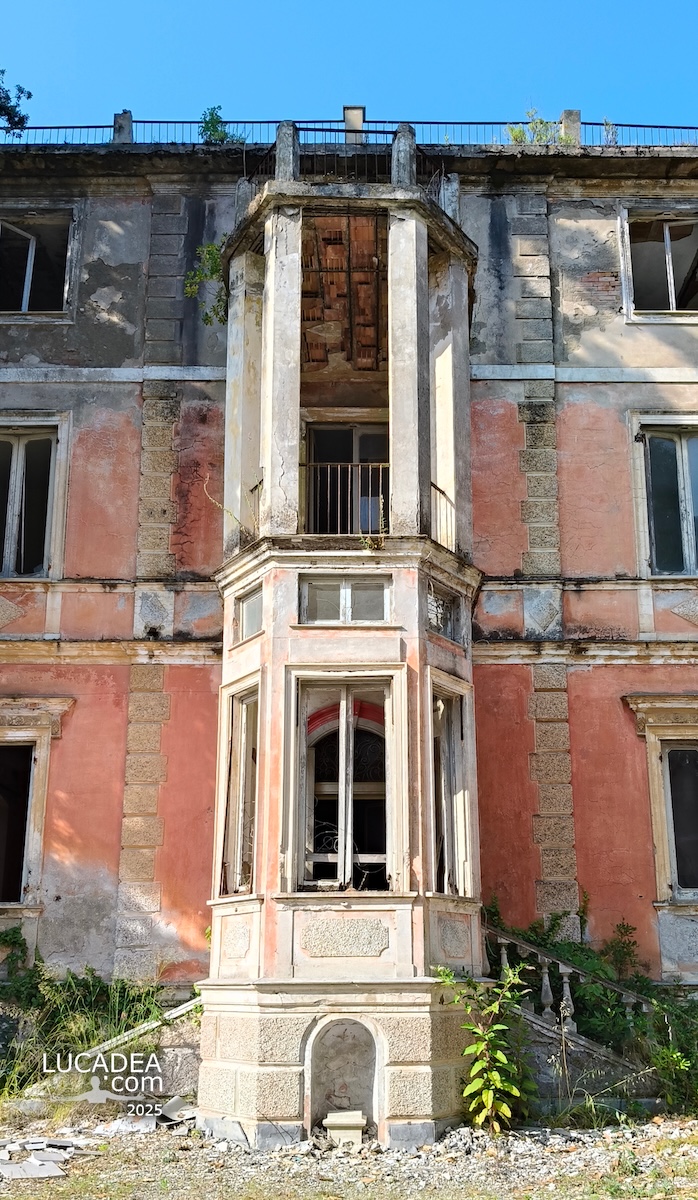
Standing in front of this abandoned villa, I found a quiet scene shaped by years of silence, where worn walls, empty windows and faded architectural details still preserve the feeling of a forgotten story. This forgotten building in Liguria represents the charm of abandoned places in Italy, locations where the traces of past lives remain visible through the surfaces and structures left behind.
When I photographed the facade, I wanted to capture more than the simple appearance of the building. I focused on the small details that reveal the passage of time: damaged decorations, aged surfaces and elegant shapes that continue to survive despite neglect. An abandoned villa can create a unique connection between architecture and memory, allowing the observer to imagine the voices, movements and everyday moments that once filled those rooms.
The photograph was taken in Lavagna, Liguria, Italy, along Dei Devoto street, where this abandoned villa remains as a distinctive element within the urban landscape. For anyone wondering what to see in Lavagna beyond the most familiar views, places like this can offer another way to understand the identity of a town and the transformations that happen quietly over decades.
Looking at this building, I imagined the period when it was still a living home, with occupied rooms, personal objects and families creating memories inside. A small historical curiosity is that many villas built between the nineteenth and twentieth centuries were designed not only as residences but also as symbols of style, social position and architectural taste.
Through my photographic stories about forgotten buildings and hidden corners of the area, I often search for places where time has created a different kind of beauty. This abandoned villa is interesting because it shows how a place can lose its original function while still keeping a strong visual identity.
If you are visiting this part of Liguria, discovering locations like this can reveal a quieter side of the landscape, where everyday streets may hide unexpected stories. The value of this place is not only in its appearance but also in the questions it creates about the people who lived there and the changes that followed.
I have explored similar subjects in other posts about forgotten architecture and overlooked details of the territory, because these places often contain stories that deserve attention before they disappear completely.
Photography allows me to preserve these fragile moments, capturing buildings that exist between their past and their uncertain future.

Have you ever walked past an abandoned building and wondered about the lives that once happened behind its walls? Add a comment or go to the bottom of the site to read what other visitors have written.
Photos taken with Honor 20.

Where is the palace:

Add one  comment to this article or read  here what other visitors have written.
 
Adv
 
Disclamer

The rights on images, videos, choruses, text and all other material on the LUCADEA.com website are governed as per  Copyright page.


This page has been viewed 2 times today.
This month it has been viewed 2 times.
In total it has been viewed 3 times.
 

Palta, the avocado growing in Liguria

parte

Palta, the avocado growing in Liguria.
Among the unusual fruits that can sometimes be found in our area, palta is a small natural surprise: an avocado that usually reminds us of tropical countries but can occasionally grow in places with a mild Mediterranean climate. This photograph of palta tells the story of a simple discovery and shows another side of things to see in Liguria, where even local products and unexpected plants can become part of a personal photo story.
A photograph does not always need to focus on a famous landmark or a well-known landscape. Sometimes an everyday object, a fruit received as a gift or a detail from a nearby garden can become an interesting subject because of the story behind it. Palta belongs to this kind of discovery: something unusual that connects nature, people and local habits.
I took this photograph myself with my camera, trying to capture not only the appearance of the fruit but also the feeling of curiosity that comes with finding something unexpected close to home. The palte in this image represent a meeting between cultivation and cooking, showing how ingredients can create connections between different places and traditions.
Palta is appreciated in the kitchen because of its soft texture and its versatility in many recipes. Chef Loris used these fruits to prepare a sauce inspired by guacamole, bringing together a tropical ingredient and a local story. I hope his recipe will also be shared in one of his future posts, because food often adds another layer to the memories connected with a place.
One interesting fact about avocado plants is that, although they come from tropical and subtropical regions, they can sometimes grow in Mediterranean areas with suitable conditions. Liguria, Italy, offers different microclimates thanks to its coastal position and protected areas, allowing some less common plants to survive and produce fruit.
This photograph follows the same idea behind many stories on my blog: finding interesting subjects in everyday life and giving attention to details that might otherwise be overlooked. Just as I have shared images of landscapes, architecture and local moments, this small fruit tells a different part of the territory.
The palta in this picture is not only an avocado. It represents curiosity, generosity and the pleasure of discovering something different. A simple fruit can become a memory when there is a story behind it.

Have you ever discovered an unusual plant or fruit growing somewhere you did not expect? Add a comment or go to the bottom of the site to read what other visitors have written.

Palta avocado fruits on a plate showing a locally grown avocado variety from Liguria

Palta avocado fruits on a plate showing a locally grown avocado variety from Liguria

Photos taken with a Canon 600D and a Canon EF 40mm f/4.5-5.6 IS USM lens.

The avocado is native to a vast geographical area that extends from the central and western mountains of Mexico, through Guatemala, to the Pacific Ocean coast of Central America.
Continue on
Wikipedia

Add one  comment to this article or read  here what other visitors have written.
 
Adv
 
Disclamer

The rights on images, videos, choruses, text and all other material on the LUCADEA.com website are governed as per  Copyright page.


This page has been viewed 0 times today.
This month it has been viewed 0 times.
In total it has been viewed 5 times.
 

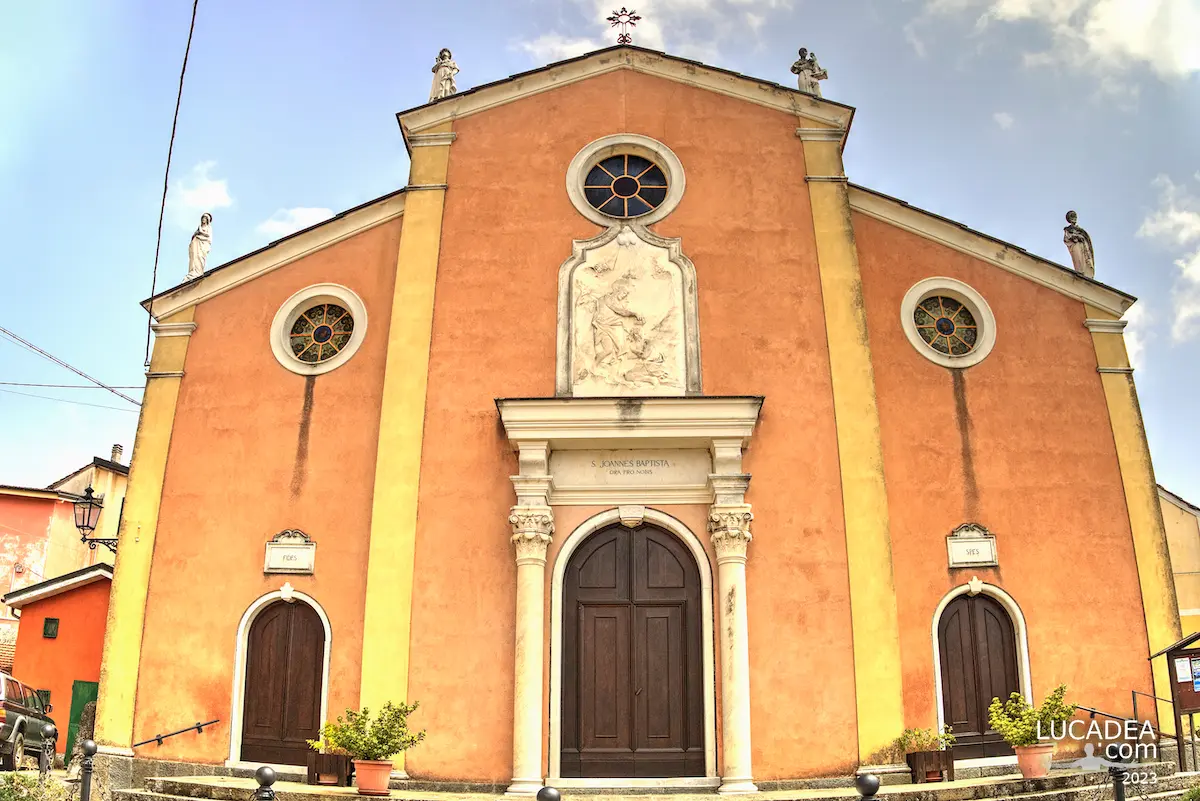
San Giovanni Battista Church in Mattarana

La facciata della chiesa di San Giovanni Battista a Mattarana

San Giovanni Battista Church in Mattarana.
During one of my explorations through the Ligurian inland, I photographed the simple facade of the San Giovanni Battista Church in Mattarana, a small village in the province of La Spezia where a quiet and authentic atmosphere can still be found. This photograph comes from my attention to those details that often appear along secondary roads and reveal a different, more intimate side of Liguria.
The San Giovanni Battista Church in Mattarana, Liguria, Italy, is one of the landmarks of the village and shows a simple architecture that fits naturally into the surrounding environment. When I photograph places like this, I am not necessarily looking for famous monuments, but for those everyday elements that can tell the history and identity of a community.
The facade of the church attracts attention because of its simplicity. There are no excessive decorations or imposing features, but rather a balanced composition that blends with the nearby houses and the character of the village. I wanted to capture this detail with my camera because small religious buildings often preserve the memory of a territory better than larger and more famous places.
Mattarana is located in the inland area of the province of La Spezia, where villages are often organised around churches, small squares and old connecting roads. If you are visiting this part of Liguria, places like Mattarana are worth seeing because they offer a different perspective of the region, made of rural landscapes, local traditions and quieter corners away from the busiest destinations.
The San Giovanni Battista Church is an example of a religious building closely connected to village life. Like many churches in small Italian communities, it has always been more than a place of worship. Over the years it has also been a meeting point and a symbol of local identity.
A small curiosity about the Ligurian inland is that many villages developed along ancient routes connecting the coast with mountain areas. These paths created a network of settlements where traces of the past can still be recognised today.
This photograph connects with other stories on my blog dedicated to lesser-known villages in Liguria, because I often find the most interesting photographic subjects by slowing down and observing places that are not always included in the main travel routes. As in other photographs from the inland areas, I enjoy showing a Liguria made not only of seaside views, but also of small villages and everyday stories.
The facade of the San Giovanni Battista Church in Mattarana may appear simple, but it represents exactly the kind of detail that makes village photography meaningful: a small image capable of telling the story of a larger place.

Have you ever discovered a small village while following a secondary road? Add a comment or go to the bottom of the site to read what other visitors have written.

Facade of San Giovanni Battista Church in Mattarana, a small village in La Spezia province

Photo taken with Canon EOS RP and Canon RF 24-50 lens.

To see all the photos I took in the village, click here:

Here’s where the church is located:

🏠
  • Italiano