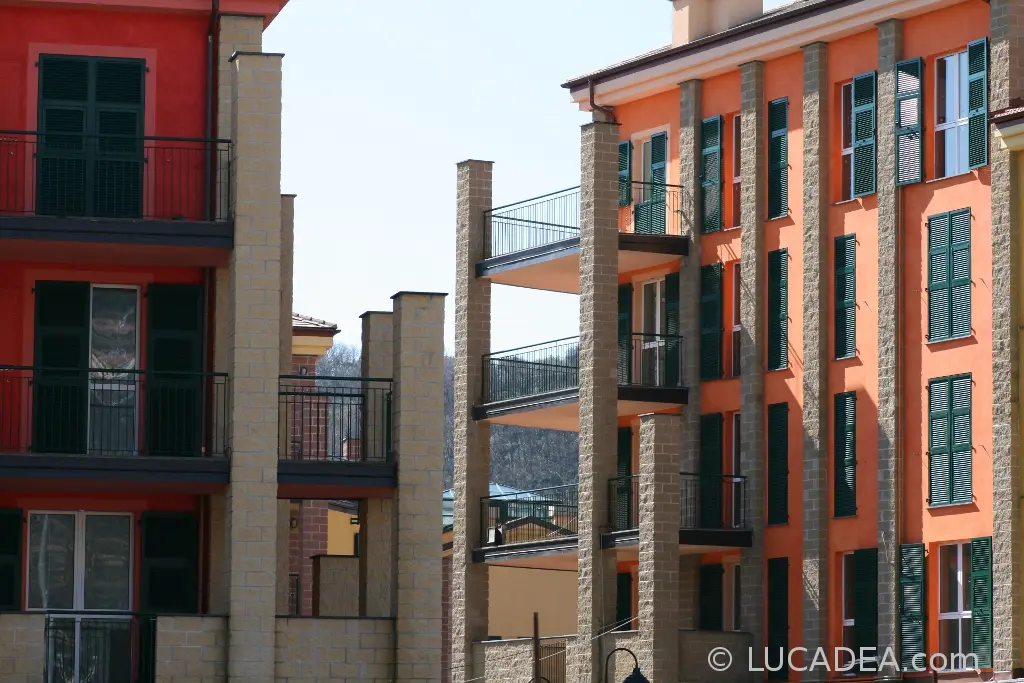
Dante Boulevard in Sestri Levante, a Changing Street.
Walking along Dante Boulevard, my attention follows the straight line of the road from the historic centre towards the Gromolo stream. This street scene in Sestri Levante, Liguria, Italy, shows a quieter side of the town, away from the familiar coastal views and photographs of the Bay of Silence. Here, the character of the place emerges through the renewed paving, the young trees and the elementary school buildings on the left-hand side.
I took this photograph to capture the perspective of the road and the way its different elements fit together. The long stretch of pavement draws the eye forward, while the trees create a repeating rhythm along the street. The buildings and paved surfaces give the scene a distinctly urban character, reminding me that a town is not defined only by its best-known landmarks. Its identity also comes from the streets people use every day, often without paying much attention to their surroundings.
Dante Boulevard connects the historic centre with the area leading towards the Gromolo stream. Along this stretch, the elementary schools are an important local reference point. The road serves a practical purpose for residents, families and students moving around Sestri Levante. Rather than presenting a postcard view, this photograph records a familiar part of town where everyday routines meet the gradual transformation of the urban environment.
The paving was renewed a few years ago, and the updated layout includes a short cycle lane and a row of young trees. These additions reflect an attempt to improve the street and introduce more greenery into the urban landscape. The cycle lane, however, raises a practical question: how useful is a short stretch of cycling infrastructure if it does not connect easily with a wider network? Its usefulness depends not only on its presence but also on whether cyclists can continue their journeys conveniently beyond this section.
That contrast between urban renewal and everyday usability is one of the details I wanted to preserve in this photograph. The new paving gives the street a more orderly appearance, while the trees introduce an element that will gradually change as they grow. At the same time, the road must continue to serve the people who use it, whether they are walking to school, crossing the neighbourhood or cycling to another part of town.
From a photographic point of view, the perspective is what makes this scene interesting. The lines of the road guide the eye into the distance, connecting the buildings, pavement and trees within a single composition. No individual element needs to dominate the frame. Instead, the relationship between the different parts gives the image its structure. The young trees are particularly noticeable because they suggest a landscape still in progress. Their appearance today is only one stage in the development of the street, and their contribution to its character may become more evident as they mature.
If you are wondering what to see in Sestri Levante beyond its beaches and seafront, Dante Boulevard offers a glimpse of how the town functions away from its busiest visitor areas. It may not be a landmark that people specifically seek out, but it is one of those ordinary places that help explain the relationship between the historic centre and the surrounding neighbourhoods. For anyone interested in everyday urban life in Liguria, a street like this can be just as revealing as a more recognisable view.
Sestri Levante is often associated with its coastline, narrow streets and waterfront scenery. When I photograph the town, however, I also like to pay attention to less celebrated spaces. They show how public areas evolve through maintenance, new paving, planting and attempts to accommodate different forms of transport. These changes may seem modest, but they influence how residents experience their surroundings over time.
This photograph also connects naturally with other urban views shared on Lucadea.com, where I document streets, buildings and details encountered while exploring Liguria. Together, these images offer a broader record of the region, balancing well-known destinations with places that might otherwise remain unnoticed. My aim is not to turn every street into an attraction, but to preserve a personal observation of the environment as I found it.
One detail worth considering is the relationship between the young trees and the renewed street. Urban trees need time and suitable growing conditions to provide shade and become an established part of the streetscape. Their presence is therefore more than a decorative addition: over the years, they can influence the appearance of the road and the experience of people walking along it. In this photograph, they also provide a visual rhythm that helps emphasise the length and direction of the boulevard.
For me, Dante Boulevard is an example of how an ordinary street scene can hold photographic interest without relying on dramatic scenery. The renewed surface, the line of trees and the presence of the elementary schools give the image a clear sense of place. It records a particular stage in the street’s development and leaves room for the landscape to change in the years ahead.
Photographing places like this is also a way of documenting the everyday appearance of Sestri Levante. A familiar road may change gradually, and details that seem unremarkable today can become part of the town’s visual history. By keeping these moments in a personal photographic archive, I can return to them later and compare how the streets and public spaces evolve.
What do you think of the changes to Dante Boulevard, especially the short cycle lane and the newly planted trees? Add a comment or go to the bottom of the site to read what other visitors have written.

Photo taken with Canon EOS RP camera and Canon RF 24-50 lens.
Here’s where I took the shot: