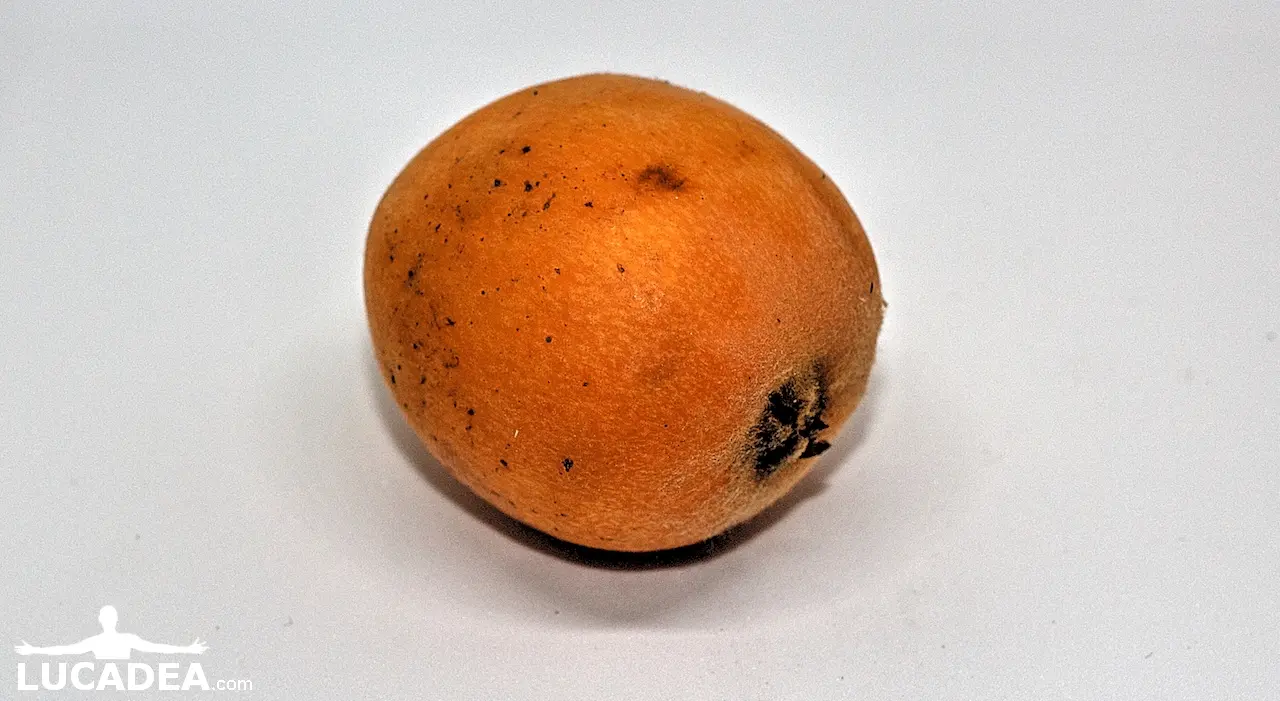
An orange loquat, a small seasonal fruit

Singola nespola arancione fotografata come piccolo frutto di stagione della natura italiana

An orange loquat, a small seasonal fruit.
Sometimes a single element is enough to capture attention and become the subject of a photograph. This orange loquat, with its simple shape and warm color, represents one of those small details of nature that are often overlooked but deserve a closer look.
A photograph does not always need a large landscape or a special scene to tell a story. A ripe fruit can represent a season, recall a specific moment and bring back memories connected to everyday life. The loquat, with its bright orange tone and slightly velvety surface, is a simple subject but full of interesting characteristics.
The image shows a single loquat, a small orange fruit traditionally associated with spring and often found growing in gardens and countryside areas in Italy. I enjoy photographing these details because they are part of a more intimate way of telling the story of a place, made of common elements that are still beautiful.
The loquat is a fruit that grows especially well in mild and Mediterranean climates. If you are interested in discovering natural details and seasonal products, even a local fruit can become a way to understand a landscape and its traditions.
One interesting fact is that there are several varieties of loquat and that traditionally the fruit was often allowed to soften after harvesting in order to develop a sweeter taste and a smoother texture.
This image was created from the desire to preserve something simple. Like other posts on my photoblog dedicated to natural details and everyday objects, this photograph is not about a famous location but about a small subject that caught my eye.
Looking at a fruit through a camera lens allows us to notice details we usually ignore: its shape, colors, small imperfections and the features that make every natural element unique.
A single loquat may seem like an ordinary subject, but often the simplest things are the ones that best express the connection between photography and reality.

What small detail from nature have you ever noticed and photographed almost by chance? Add a comment or go to the bottom of the site to read what other visitors have written.
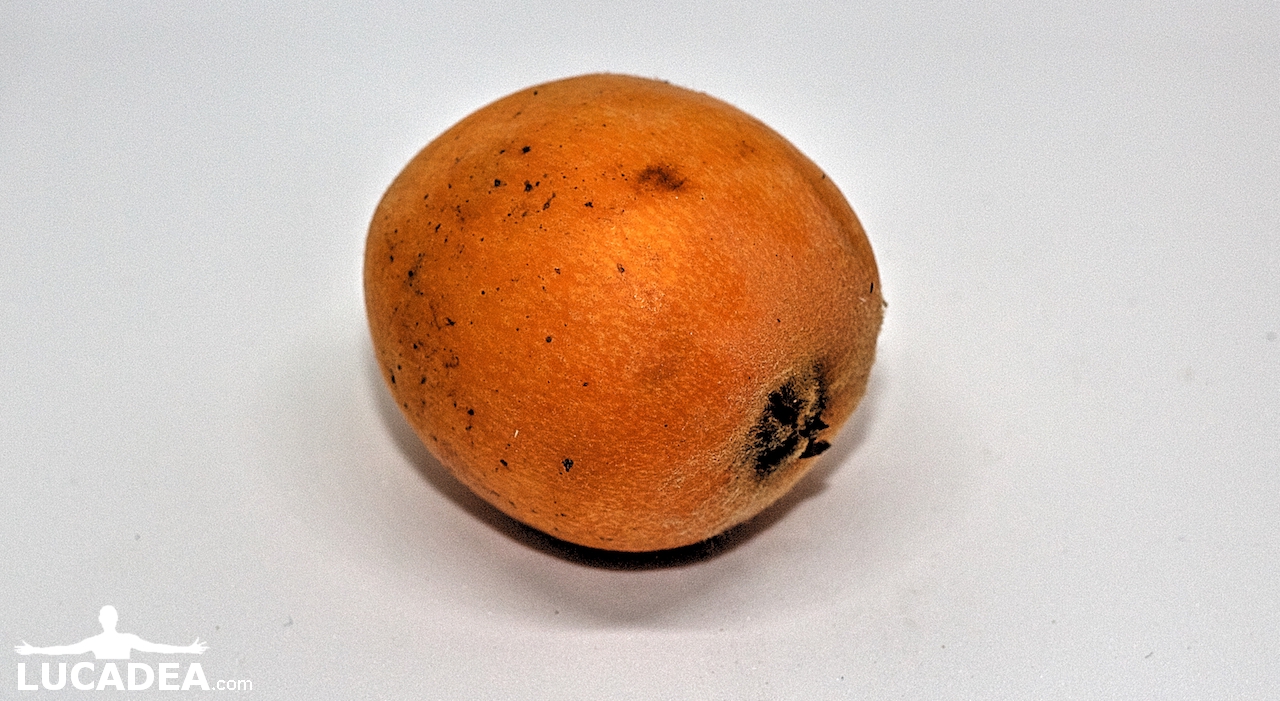
Singola nespola arancione fotografata come piccolo frutto di stagione della natura italiana

Photo taken with Canon 600D and Canon EF 40.

An orange loquat, a small seasonal fruit – Une nèfle orange, un petit fruit de saison – Un níspero naranja, un pequeño fruto de temporada – Uma nêspera laranja, uma pequena fruta da estação – Eine orange Mispel, eine kleine saisonale Frucht – Một quả hồng xiêm màu cam, loại trái cây theo mùa nhỏ – 一个橙色枇杷,小小的季节水果 – オレンジ色のビワ、小さな旬の果物

The text of this post was written with the help of ChatGPT, a language model from OpenAI.

Add one  comment to this article or read  here what other visitors have written.
 
Adv
 
Disclamer

The rights on images, videos, choruses, text and all other material on the LUCADEA.com website are governed as per  Copyright page.


This page has been viewed 0 times today.
This month it has been viewed 0 times.
In total it has been viewed 0 times.
 

Fresh Porcini Picked by Centocroci Pass

Funghi freschi

Fresh Porcini Picked by Centocroci Pass.
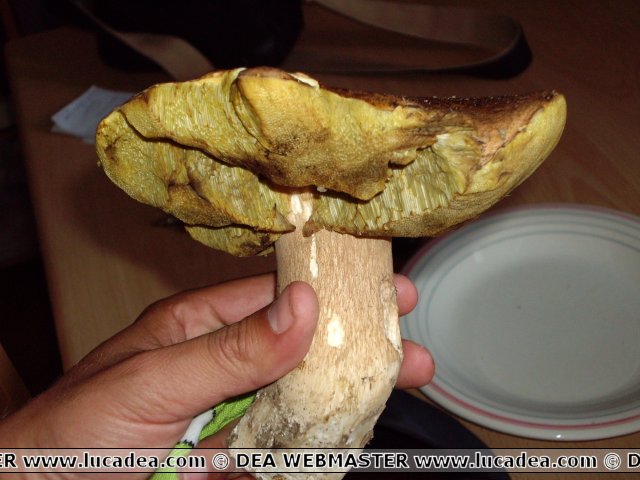
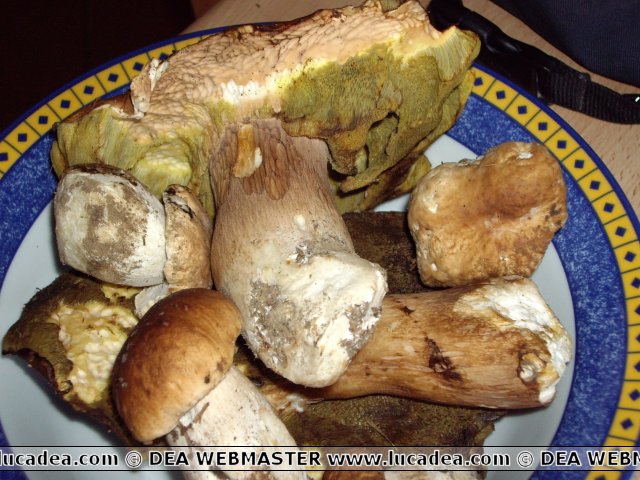
I picked these porcini yesterday, August 15, 2026, just beyond Centocroci Pass, and once I was back I wanted to photograph them while they were still fresh. These fresh mushrooms are connected to one of those simple moments I enjoy in the mountains: walking through the woods, paying attention to the ground, and suddenly finding something that was not there to be seen a few seconds earlier.
The photograph shows several porcini from that day’s search. I did not want to create a complicated still life or make the mushrooms look different from the way I found them. My intention was simply to keep a visual record of the fresh harvest, with the natural shapes and textures that are easy to notice immediately after picking. Later, once the mushrooms are cleaned and prepared, the appearance changes, so photographing them at this stage also preserves a small part of the experience itself.
Centocroci Pass is familiar to me through my photographs of Varese Ligure and the surrounding countryside. On the Ligurian side, the nearest town is Varese Ligure, Liguria, Italy, while the pass itself lies along the mountain divide between Liguria and Emilia-Romagna. Once I leave the road and move into the woodland, my attention naturally shifts away from distant views and toward the details under my feet.
For me, looking for mushrooms has always had a strong connection with photography. Both activities require patience and observation. A mushroom can be partly hidden among leaves, branches and low vegetation, and it is often the act of noticing it that makes the discovery memorable. That is why I like keeping the camera with me during these walks. Sometimes I return with only a photograph; this time I returned with both photographs and a small collection of porcini.
If you are interested in fresh porcini from the Italian mountains, the important part of this image is not simply their appearance but the story behind it. They were found during an actual walk through the woodland near the pass, rather than bought and arranged specifically for the camera. I took the photograph myself after the collection, while the mushrooms were still fresh, because I wanted the image to remain connected to that particular day.
There is also a small curiosity behind the name of the place. Centocroci Pass is an old mountain crossing in the Ligurian Apennines, connecting the Varese Ligure area with the Parma side. Its unusual name has long been associated with local stories and traditions concerning travellers and the difficult passage through these mountains. Even without knowing all of those stories, the name is distinctive enough to make the place immediately memorable.
I also like the fact that this photograph is very different from the architectural images I have published from Varese Ligure. In another post I have already shown the narrow streets and characteristic corners of the Borgo Rotondo; here the same wider area is represented through the woods and through something found directly on the ground. Together, these photographs create a more personal record of the places I have visited rather than a single, fixed view of them.
The middle of August can be a rewarding period for mushroom hunters, but finding mushrooms is never something that should be taken for granted. Woodland conditions change, and the presence of fungi depends on the environment and the season. For that reason, every successful find feels like a small event rather than a guaranteed result.
What I like most about this photograph is precisely its simplicity. There is no elaborate setting and no attempt to turn the mushrooms into something they are not. They are simply the porcini I found during yesterday’s walk, photographed before they became part of another moment. The image therefore works for me as a small visual diary entry: a record of a walk, a discovery and the pleasure of bringing something unexpected home.

Do you also enjoy photographing the small discoveries you make while walking through the woods? Add a comment or go to the bottom of the site to read what other visitors have written.

Fresh porcini mushrooms picked near Centocroci Pass, photographed after a woodland walk around Varese Ligure

Fresh porcini mushrooms picked near Centocroci Pass, photographed after a woodland walk around Varese Ligure

Add one  comment to this article or read  here what other visitors have written.
 
Adv
 
Disclamer

The rights on images, videos, choruses, text and all other material on the LUCADEA.com website are governed as per  Copyright page.


This page has been viewed 0 times today.
This month it has been viewed 0 times.
In total it has been viewed 26 times.
 

Persimmon, a fruit originally from Asia

Caco

Persimmon, a fruit originally from Asia.
It is not the present tense of a verb, but a fruit! That was the little joke I used in the old version of my blog, and looking at this photograph again brought it back to me almost immediately. This is certainly not one of my best photographs, but that is not really the point. Some old images are worth keeping because of the memory attached to them and, in this case, because I still like the idea behind the original caption.
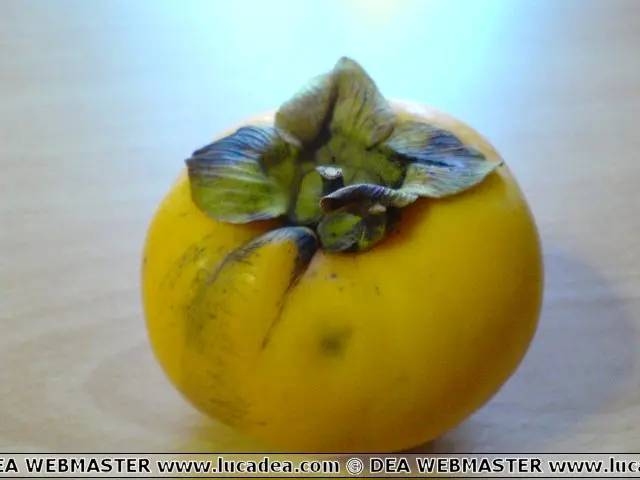
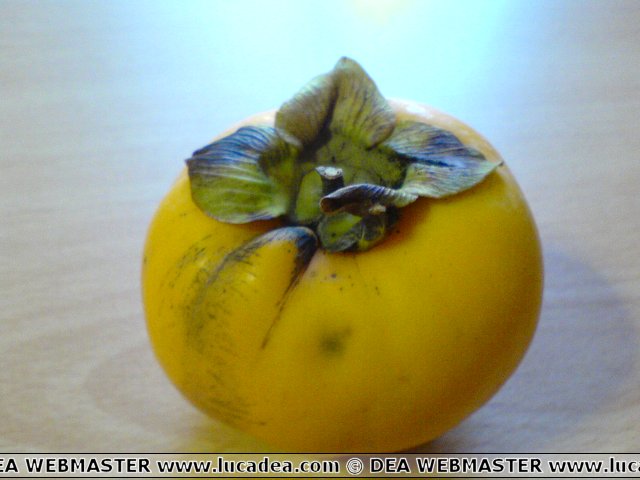
The subject is a persimmon, a simple fruit that can easily become an unexpected photographic subject. There was no particular event or complicated story behind this image. I simply photographed it, and at some point found a small wordplay that seemed amusing enough to turn it into a blog post.
Persimmon is the fruit of Diospyros kaki, a tree originally native to East Asia that has since spread to many other parts of the world. It is now familiar in Italy as well, where it can be found growing in suitable areas. Depending on the variety, the fruit can be eaten when very soft and ripe or while still firm.
When I look at older photographs, I sometimes realise that the most interesting part is not necessarily the image itself. A technically ordinary photograph can still preserve a particular way of looking at everyday things. That is especially true of the old blog posts, where I often photographed subjects simply because something about them had caught my attention.
In this case, the word itself was probably more memorable than the picture. The Italian word “cachi” can sound amusing because it is also associated with a verb form, even though the meaning is completely different in context. That small linguistic coincidence was enough to give me the idea for the original post.
The fruit also works reasonably well as a photographic subject because of its strong colour. A ripe persimmon has a warm orange tone that immediately stands out. It does not need an elaborate setting to become recognisable in a photograph, and perhaps that simplicity is part of what made me stop and take the picture in the first place.
This image therefore belongs more to the history of my blog than to a collection of particularly successful photographs. But a personal photo blog is also made of these small moments. Looking back through older posts means discovering not only places and objects I photographed, but also the way I used to write about them.
I think that is one of the enjoyable things about maintaining a photographic archive over many years. Not every image needs to be perfect. Some photographs survive because they are connected to a joke, a thought, a memory or simply a moment when an ordinary object seemed worth photographing.
This one is definitely an example of that. I would not choose it to demonstrate my best photographic work, but I still find it amusing to see it again and remember the original caption. The picture brings back a small piece of the old blog and the slightly playful tone I sometimes used for these everyday subjects.
So the old joke still works after all these years: it is not the present tense of a verb, but a fruit. A nice persimmon!

Have you ever taken a photograph of something completely ordinary simply because it inspired a joke or a funny thought? Add a comment or go to the bottom of the site to read what other visitors have written.

A ripe orange persimmon, a fruit originally from Asia, photographed as a simple everyday subject

🏠
  • Italiano