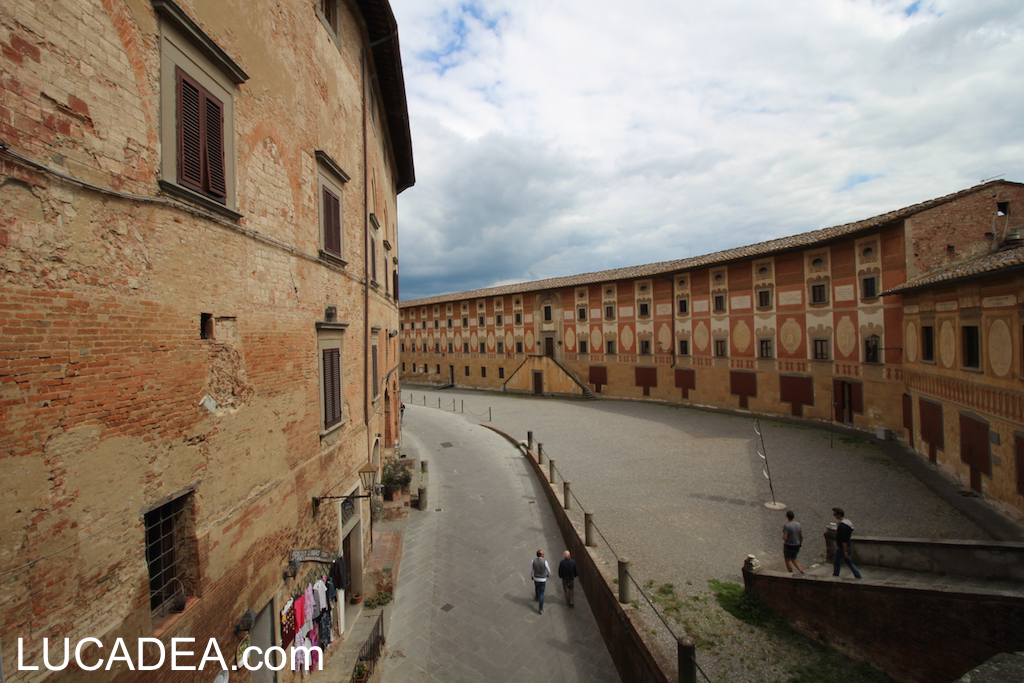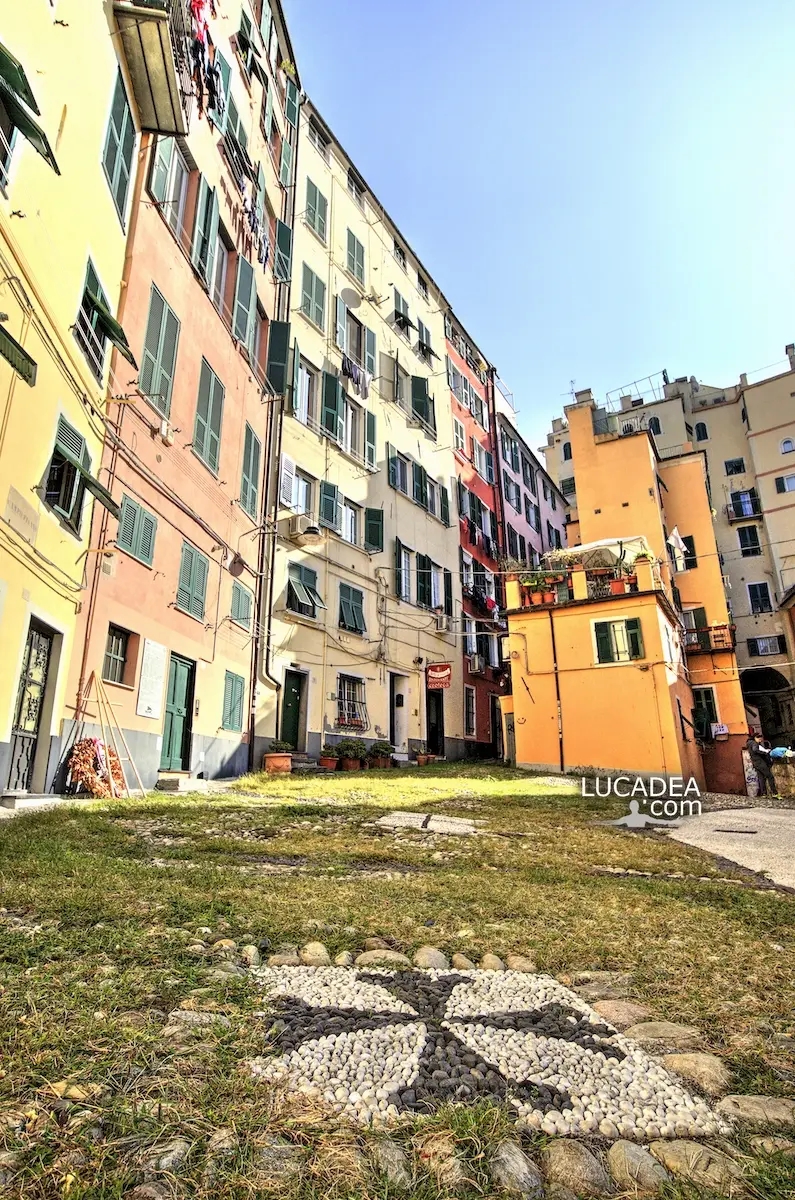
Campopisano Square in Genoa’s old town.
Walking through Genoa’s narrow streets, I had passed near this small square many times without ever making the effort to look for it. When thinking about what to see in Genoa’s old town, it is easy to focus on the better-known landmarks, while smaller places such as Campopisano Square can remain hidden in plain sight.
For a long time, I had promised myself that I would finally find Campopisano Square. Whenever I wandered through the caruggi without a precise destination, I would remember the square and then, almost inevitably, take another turn and forget about it. A few months ago, my wife and I finally decided to make a point of finding it and visiting the place properly.
Reaching the square is part of the pleasure. Genoa’s historic centre is made of narrow passages, stairways and unexpected turns, and a small open space can appear almost suddenly between the surrounding buildings. Campopisano Square has this particular quality. After walking through the dense network of streets, arriving in the square creates a welcome change of perspective and gives you a moment to stop and look around.
This is one of the places worth seeing in Genoa if you enjoy discovering the less obvious side of the city. I was especially interested in the way the square fits into the surrounding historic fabric rather than standing apart from it. The buildings, the narrow streets leading towards the square and the compact open space all belong to the same urban setting.
I took this photograph myself during our visit, wanting to keep the impression of finally reaching a place I had postponed seeing for years. I was not searching for a spectacular postcard view. Instead, I wanted the photograph to preserve the character of the square and the feeling of being surrounded by the old streets of Genoa.
Campopisano Square is in Genoa, Liguria, Italy, in the heart of the historic centre. If you are visiting Genoa and looking for what to see beyond the city’s most famous attractions, this is the kind of small corner that can naturally become part of a walk through the caruggi. Its appeal comes precisely from the fact that it does not feel like a separate attraction, but like something you discover while exploring the city.
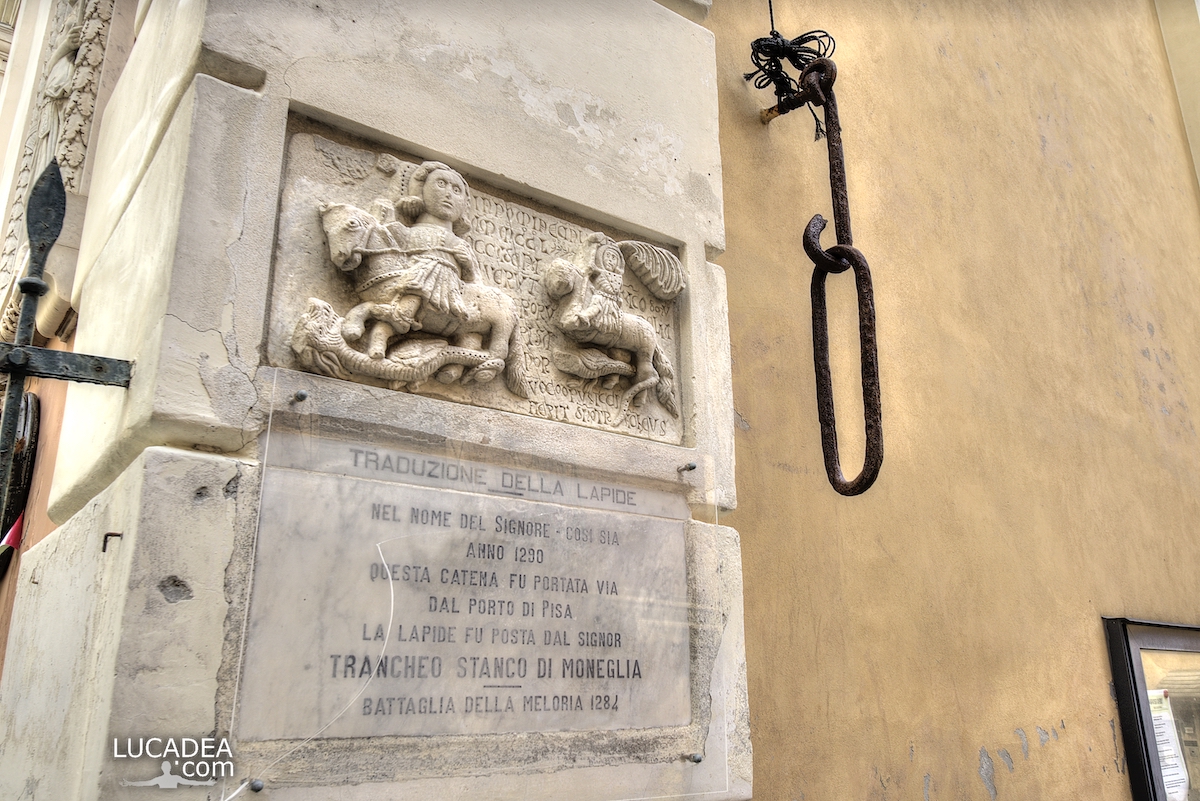
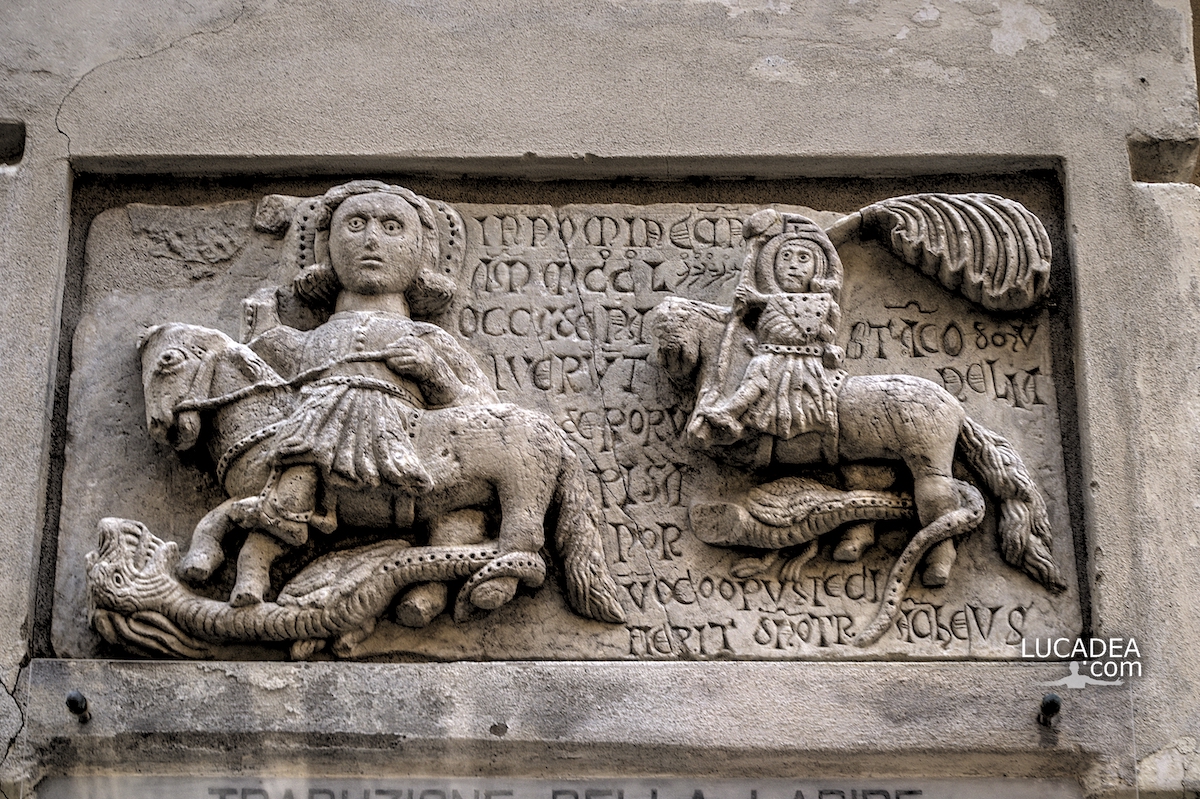
There is also a historical curiosity behind the name Campopisano. The square is traditionally associated with the long rivalry between Genoa and Pisa and with the Pisan prisoners brought to Genoa after the Battle of Meloria in 1284. It is a brief piece of history, but it adds another layer to a place that today can seem surprisingly quiet.
That contrast stayed with me while taking the photograph. Genoa’s history is enormous, but it is not always encountered through imposing monuments. Sometimes it appears in a small square hidden among narrow streets, in an old building or simply in the shape of the urban space around you.
Campopisano Square also reminded me of why I enjoy photographing Genoa’s historic centre. I often prefer these smaller discoveries to the places I already know I am going to photograph. There is a different kind of attention involved when I arrive somewhere after having looked for it, especially when the visit has been postponed several times.
It also connects naturally with other photographs of Genoa that I have shared on the site. The historic centre offers so many details that one photograph rarely feels like a complete story. A square can lead to a street, a street to another small corner, and before long the original plan of the walk has disappeared. For me, that is part of the pleasure of photographing this city.
Looking back at this image, I am pleased that my wife and I finally decided to stop postponing the visit. Campopisano Square may be a relatively small space, but finding it gave me exactly the kind of photographic moment I enjoy: no need for a grand panorama, just a place with enough character to make me stop, look carefully and take the camera out.
Have you ever discovered a small corner of Genoa only after walking past it many times? Add a comment or go to the bottom of the site to read what other visitors have written.
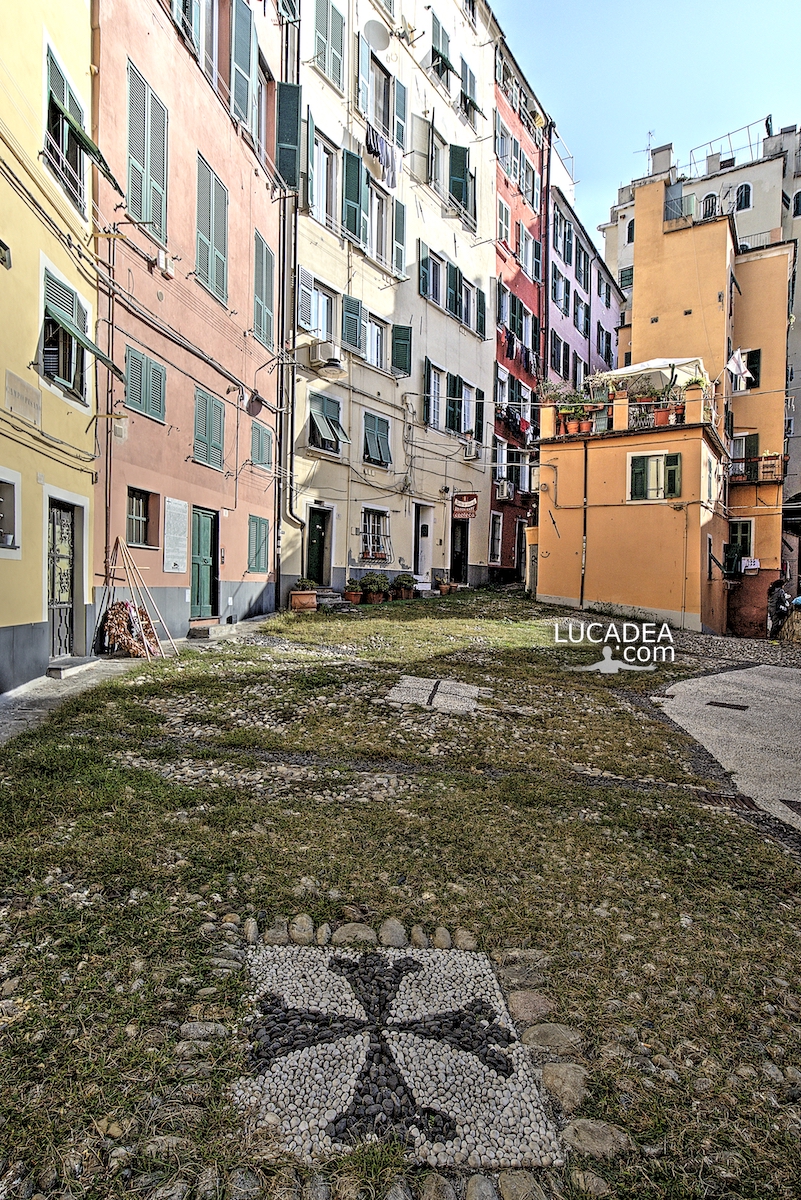
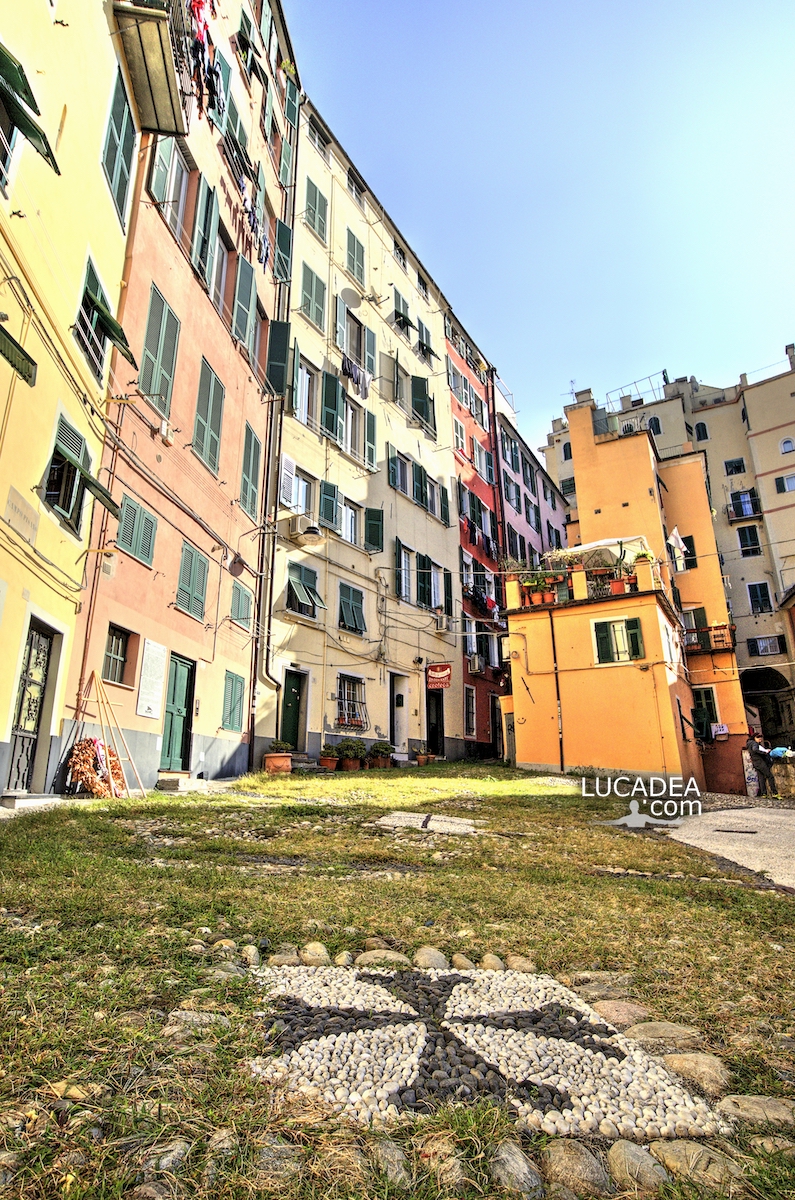
Photos taken with a Canon EOS M100 camera and Canon EF-M 11-22 lens.
And here is where the square is located:
The rights on images, videos, choruses, text and all other material on the LUCADEA.com website are governed as per Copyright page.