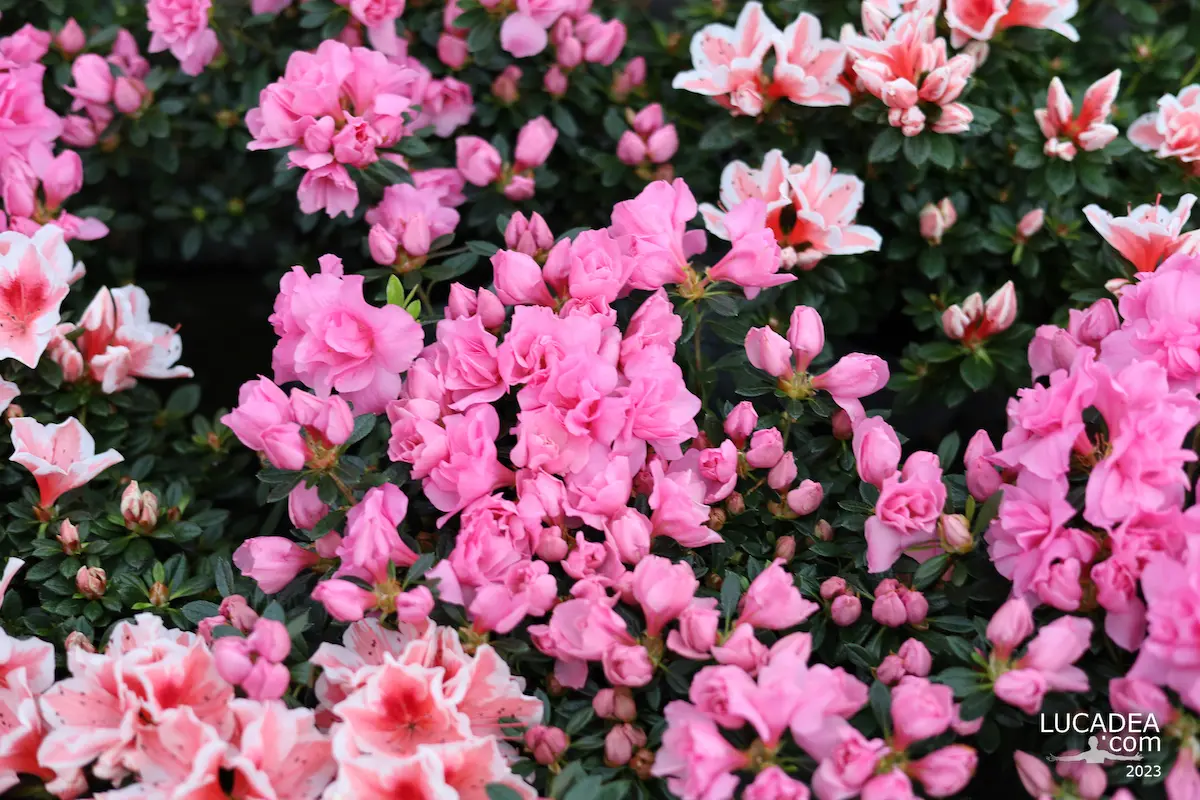
The many pink flowers of an azalea

Tanti fiori rosa di un’azalea in piena fioritura, fotografati da vicino per mostrare petali e diverse tonalità

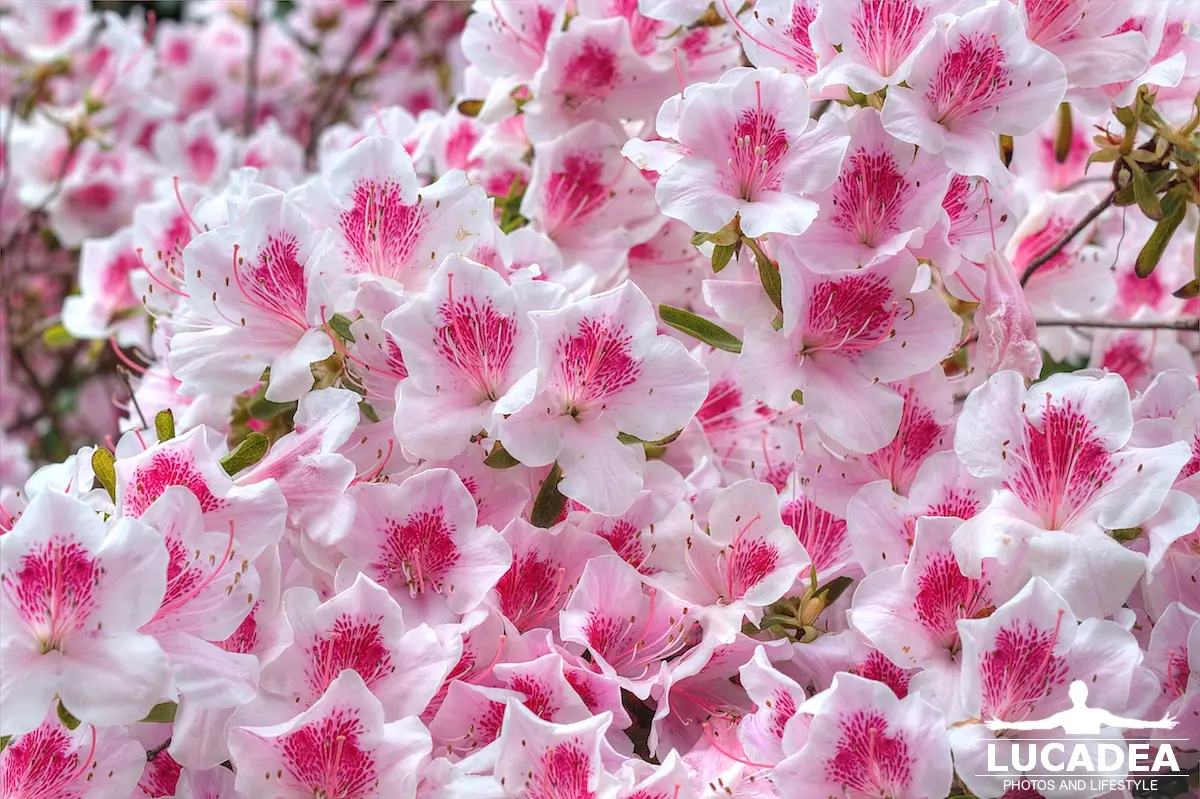
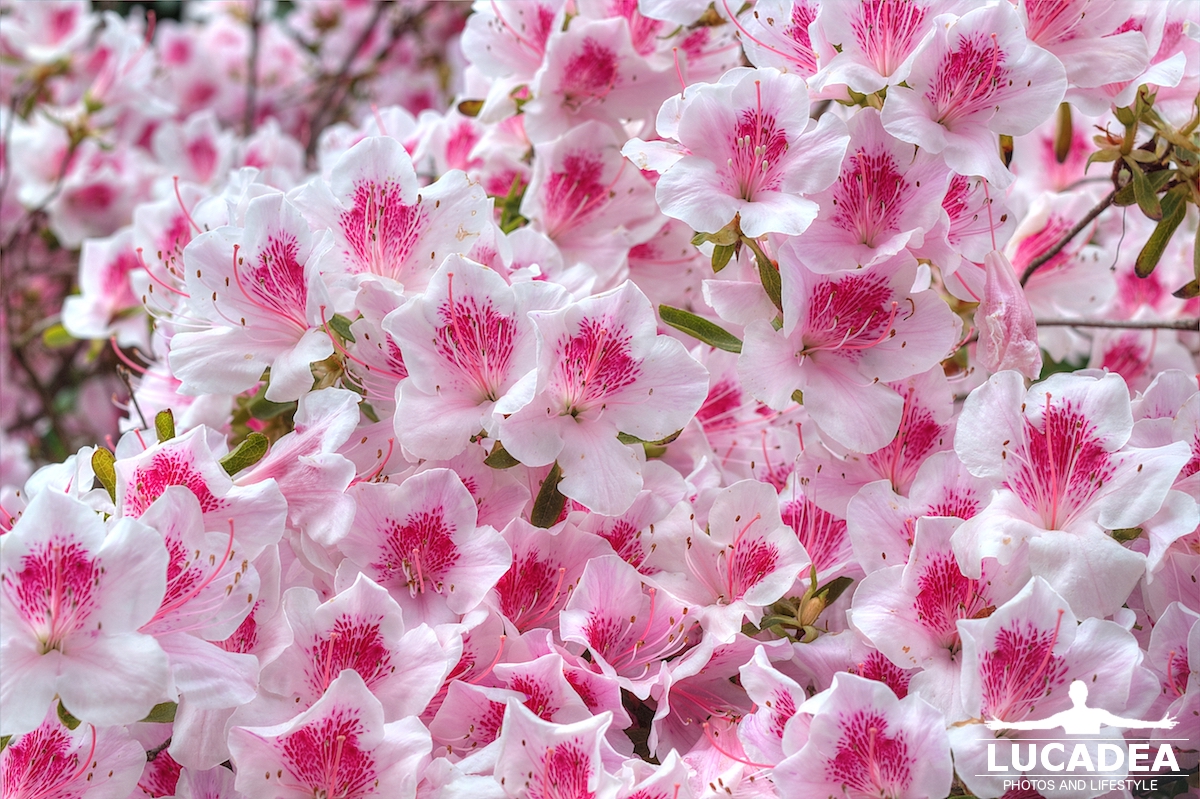
The many pink flowers of an azalea.
Standing in front of a plant covered with so many pink flowers, it is difficult not to stop and look, especially when the bloom completely changes the appearance of the azalea. That is the detail I wanted to photograph: a dense group of small flowers, with different shades of pink filling almost the entire frame.
Azaleas are widely known and appreciated as ornamental plants because of their spectacular blooms, but for me photographing one means looking beyond a simple botanical description. Here, I was especially interested in the repetition of the flowers, the way they build a large mass of color and make it difficult at first to distinguish every individual shape.
I took this photograph by looking closely at the plant and trying to keep the surrounding environment from distracting from the flowers themselves. When I photograph a natural subject like this, I often try to remove mentally everything that is not necessary and let shapes, petals and colors build the image.
Pink azaleas can have many different shades. Some varieties produce very pale and delicate flowers, while others have much stronger and more vivid colors. This variety is one reason azaleas are so widely used in gardens and green spaces: when they bloom, they can create an impressive area of color even without being particularly large plants.
Looking at a photograph like this, the first thing that probably catches the eye is the color. Then the individual flowers begin to emerge. The petals are not perfectly arranged, and every corolla has slightly different shapes and positions. That small irregularity is what keeps the mass of flowers from looking artificial.
There is also a small botanical curiosity behind the familiar name azalea. The term is commonly used for several plants belonging to the genus Rhododendron. In modern botanical classification, azaleas are therefore not considered a completely separate genus, even though their common name might suggest otherwise. I find this interesting because it shows how a very familiar garden plant can have a more complex botanical background.
When the flowering season arrives, an azalea naturally becomes an appealing photographic subject. You do not necessarily need to search for an unusual composition. Simply moving closer can reveal how the flowers interact with one another. A wider view emphasizes the abundance of the bloom, while a closer photograph can isolate smaller groups of flowers and reveal the details of the petals.
For this image, I preferred to concentrate on the overall effect. The many pink flowers almost merge together, creating a continuous surface in which the eye can then search for individual details. I like this kind of photograph because it does not focus on a single flower; instead, it captures the visual effect created by the entire bloom.
Azaleas are not completely undemanding plants, either. They generally prefer acidic soil and conditions that protect them from excessive heat and strong sunlight during the hottest part of the day, although exact requirements vary according to the variety and climate. These details help explain why some plants produce particularly abundant blooms in certain environments.
For me, however, the azalea remains primarily a photographic subject. Nature constantly offers simple details that can become interesting images when observed carefully. After photographing other plants, flowers and small elements of vegetation, this azalea gave me another opportunity to stop in front of something familiar and try to tell its story through my camera.
I also like the fact that a flower photograph has a completely different rhythm from the urban images I often publish on the blog. After streets, squares, buildings and landscapes, focusing for a while on a flowering plant means changing scale entirely and looking at the world from much closer.
In that sense, the many pink flowers of an azalea are a simple subject, but certainly not a boring one. Their visual strength comes from the abundance of flowers, the different shades and the variety of shapes that make up the same plant.

Do you prefer photographing a single flower or a rich bloom like this one? Add a comment or go to the bottom of the site to read what other visitors have written.
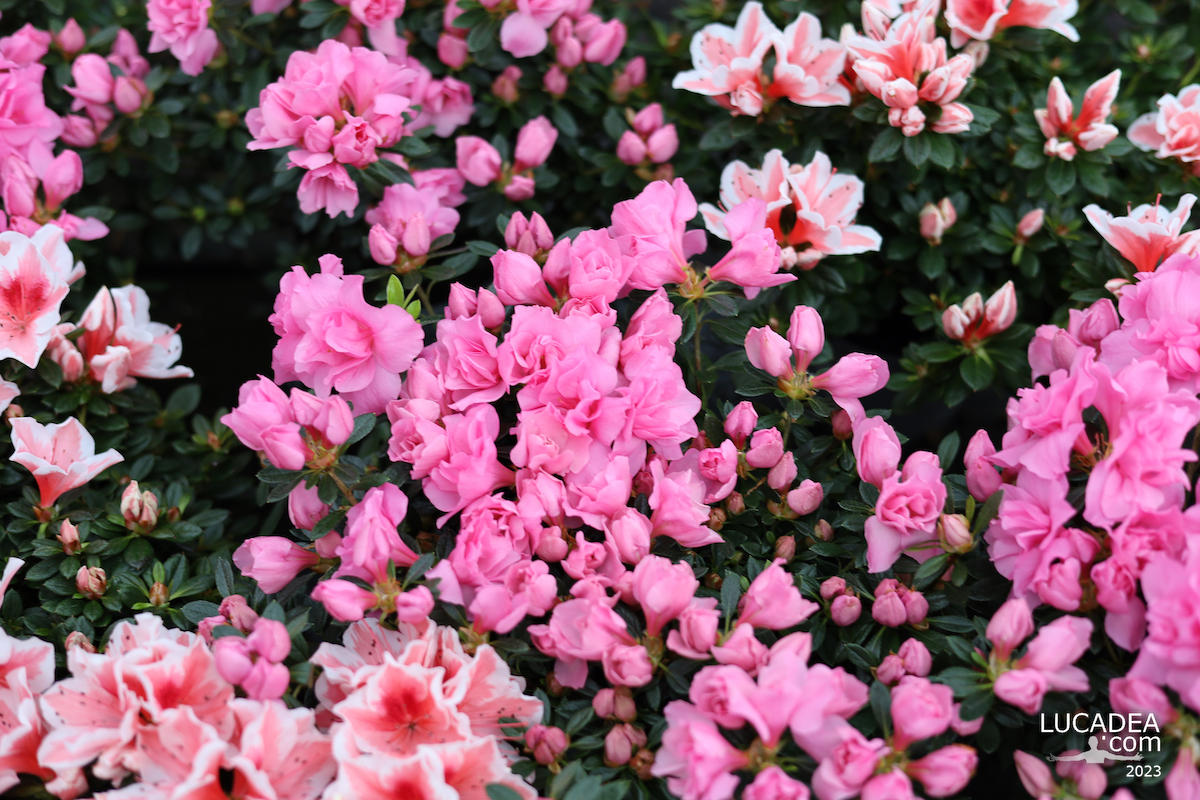
Many pink azalea flowers in full bloom, photographed close up to show their petals and subtle color variations

Photo taken with a Canon EOS RP camera and a Canon RF 50 lens.

The nursery I visited is: Vivai Gaggero in Carasco.

Add one  comment to this article or read  here what other visitors have written.
 
Adv
 
Disclamer

The rights on images, videos, choruses, text and all other material on the LUCADEA.com website are governed as per  Copyright page.

This page has been viewed 0 times today.
This month it has been viewed 0 times.
In total it has been viewed 0 times.
 

A Swallow Nest in the Caruggio of Sestri Levante

Un nido di rondini nel caruggio di Sestri Levante

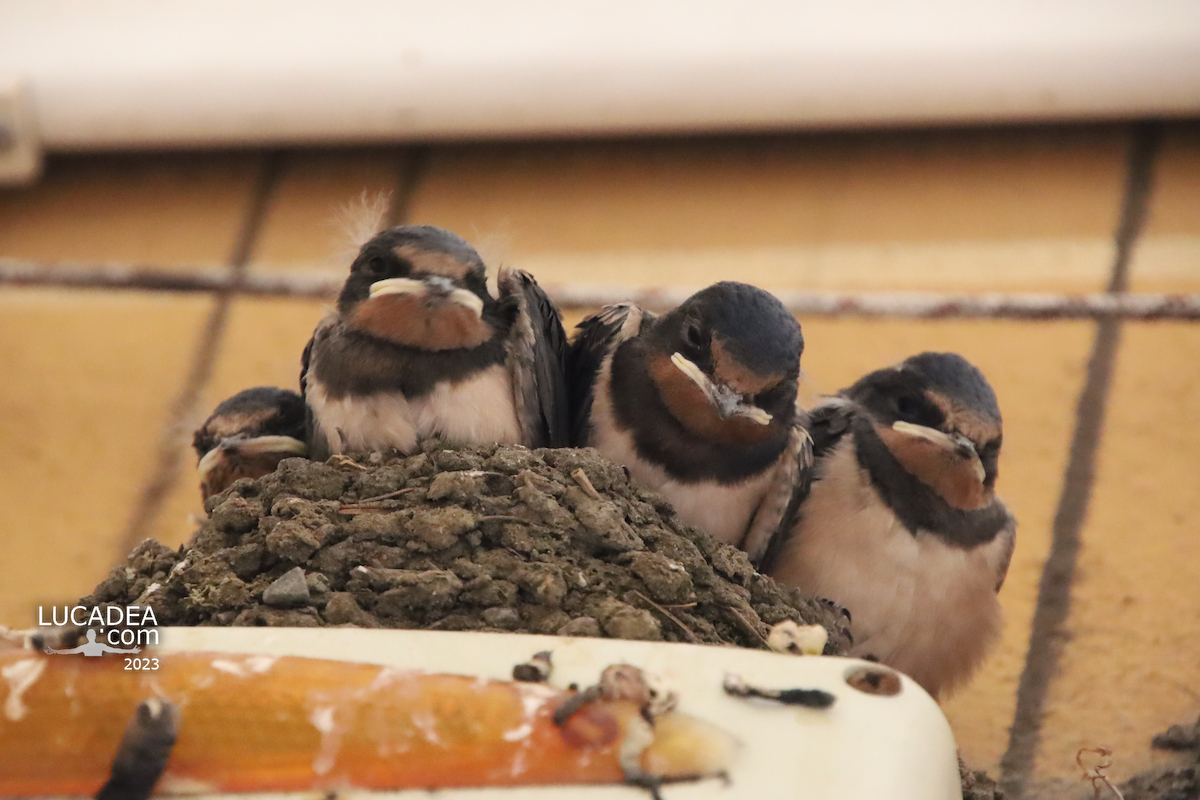
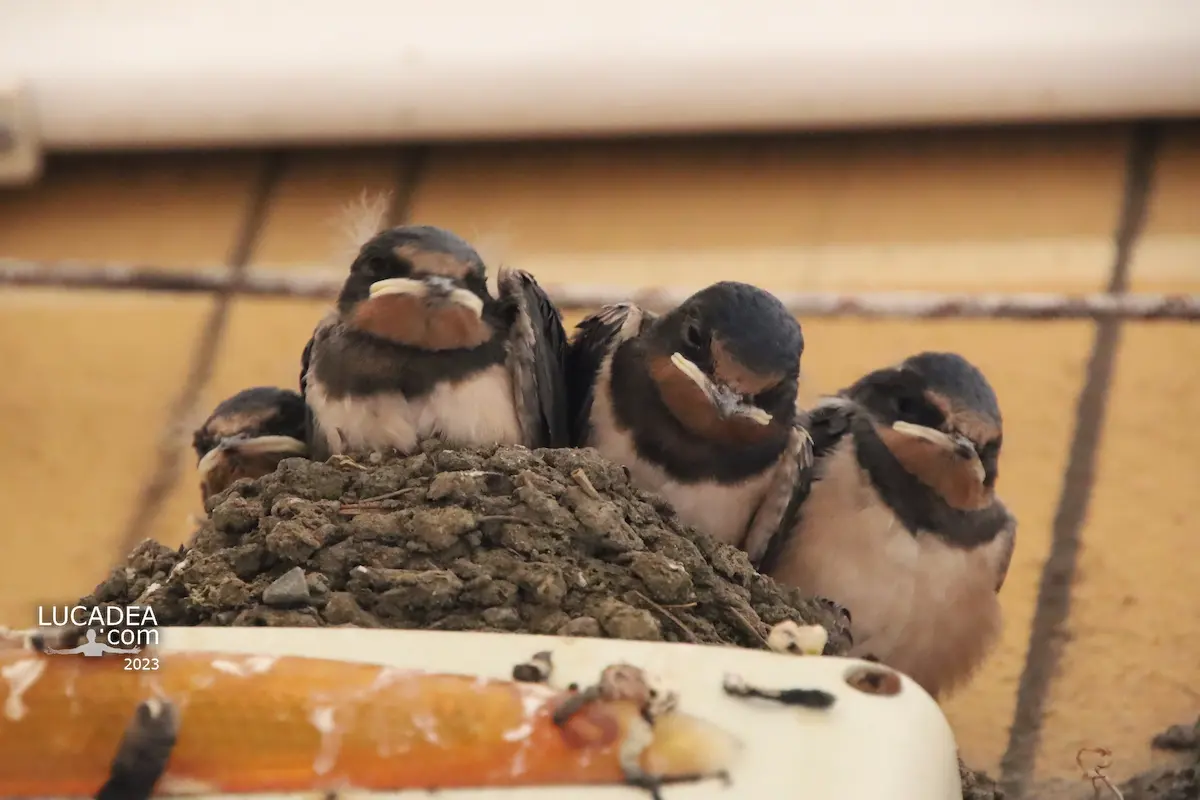
A swallow nest in the caruggio of Sestri Levante.
In spring and autumn, the caruggio of Sestri Levante is home every year to dozens of swallows that build their nests under balconies or beneath the awnings of the local shops.
It is one of those small natural spectacles that can be seen right in the center of town, without having to go anywhere special. All you need to do is look up while walking along the caruggio and, between the shops and old houses, you may find these little nests full of life.
The swallows fly above the houses, come and go from their nests and fill the street with their calls. Rather than simply chirping, as we often say, swallows chatter and twitter, and their distinctive calls immediately make me think of the warmer seasons.
This time I stopped to photograph one of the nests in the caruggio. The young birds, who are not really that small anymore, were waiting impatiently for their parents to return, ready for the next meal.
It is a very simple scene, but that is exactly what I like about it. The caruggio is normally associated with people, shops, walks and everyday life in Sestri Levante. In spring, however, it also becomes a small natural habitat for these birds, which return every year to occupy the same kinds of sheltered spaces.
Photographing a swallow nest in the middle of a town is a reminder of how nature can find its own space even in urban environments. A balcony, a shop awning or a small recess beneath a roof can become a safe place to build a nest and raise a new generation.
And then there are the young birds themselves, with their wide-open beaks and impatient expressions as they wait for one of their parents to return. It is the kind of scene that always makes me smile.
Sestri Levante is best known for the Bay of Silence, the Bay of Fables and its coastline, but the historic center and the caruggio also tell an important part of the story of everyday life in the town. Sometimes you simply have to look up to find something worth photographing.
This photograph is therefore a small tribute to the swallows that return to Sestri Levante every year and, with their flights and calls, bring a little extra joy to the heart of the town.

Have you ever noticed the swallow nests in the caruggio of Sestri Levante? Add a comment or go to the bottom of the site to read what other visitors have written.

Swallow nest in the caruggio of Sestri Levante with young birds waiting for their parents

Swallow nest in the caruggio of Sestri Levante with young birds waiting for their parents

Swallow nest in the caruggio of Sestri Levante with young birds waiting for their parents

Photos taken with Canon EOS RP and lens Tamron 16-300.

Add one  comment to this article or read  here what other visitors have written.
 
Adv
 
Disclamer

The rights on images, videos, choruses, text and all other material on the LUCADEA.com website are governed as per  Copyright page.


This page has been viewed 0 times today.
This month it has been viewed 0 times.
In total it has been viewed 0 times.
 

Azalea, a burst of color in one plant

Azalea con centinaia di fiori bianchi e rosa, fotografata durante una passeggiata con il cane

Azalea, a burst of color in one plant.
A few days ago, while walking my dog, I came across this beautiful azalea and stopped to take a closer look. There were so many white and pink flowers among the leaves that almost the entire plant seemed to have turned into one large patch of color. It was one of those ordinary moments that suddenly makes you want to take out a camera.
This photograph came from a completely normal walk. I had not gone out looking for something to photograph and I was not heading towards any particular place. Then I noticed the azalea, and the sheer number of flowers made me slow down. From close up, I could see the different shades of the petals, while from a little farther away the whole plant looked almost like a single, enormous bloom.
When photographing a flower, I often find myself looking for one particular detail. This time, however, I was more interested in the overall effect. There were so many flowers that isolating just one would have lost something important about the scene. I wanted the photograph to keep that feeling of abundance, with white and pink flowers spreading naturally among the leaves.
Azaleas belong to the Rhododendron genus and are well known for their abundant flowering. There are many different varieties and colors, but the combination of white and pink is particularly pleasant because the two shades can appear together without making the plant feel visually overwhelming.
What I like about this photograph is that you do not need to know exactly where it was taken to appreciate it. It is simply a plant I happened to find during a walk, yet at that particular moment it was impossible to ignore. Hundreds of small flowers together can turn something completely ordinary into an interesting photographic subject.
Walking my dog often gives me the chance to notice details that I would probably miss if I were simply moving from one place to another. Photography has that effect on me as well: it makes me slow down and look more carefully at things that would normally remain in the background. This azalea was one of those small discoveries.
I particularly like the contrast between the flowers and the green parts of the plant. The foliage creates a quiet background for the blossoms, while having white and pink flowers together keeps the flowering from looking too uniform. There was no need to add anything to the scene. The subject was already complete.
This was not a photograph taken during a trip or in front of a famous landmark. It is a much simpler image, connected to an ordinary moment in everyday life. And perhaps that is exactly why it belongs on this photo blog: not every photograph has to be about a distant place. Sometimes what you find close to home during a walk with the dog is enough.
Some of the other photographs on the blog also come from small details I noticed almost by accident. I like keeping that connection because photography is, at least for me, partly about learning to pay attention to things that we would normally overlook.
What caught my attention most about this azalea was the sheer number of flowers. The white and pink were not really two separate elements; they blended naturally into one another and created the impression of a real burst of color. I wanted to preserve that feeling before continuing my walk.
If you are looking for an azalea in bloom, this is also a good reminder that some of the best subjects can appear in completely unexpected places. You do not necessarily need a botanical garden or a carefully planned visit. Sometimes a short walk is enough to find something worth photographing.

Have you ever come across a plant in full bloom during an ordinary walk and had to stop to photograph it? Add a comment or go to the bottom of the site to read what other visitors have written.

Azalea covered with hundreds of white and pink flowers, photographed during a walk with the dog

Azalea covered with hundreds of white and pink flowers, photographed during a walk with the doge

Photos taken with Canon 600D and Canon EF 40.

A Promenade Along Via Brin in Riva Trigoso

Passeggiata di via Brin a Riva Trigoso, con le case affacciate sul mare della Liguria di Levante

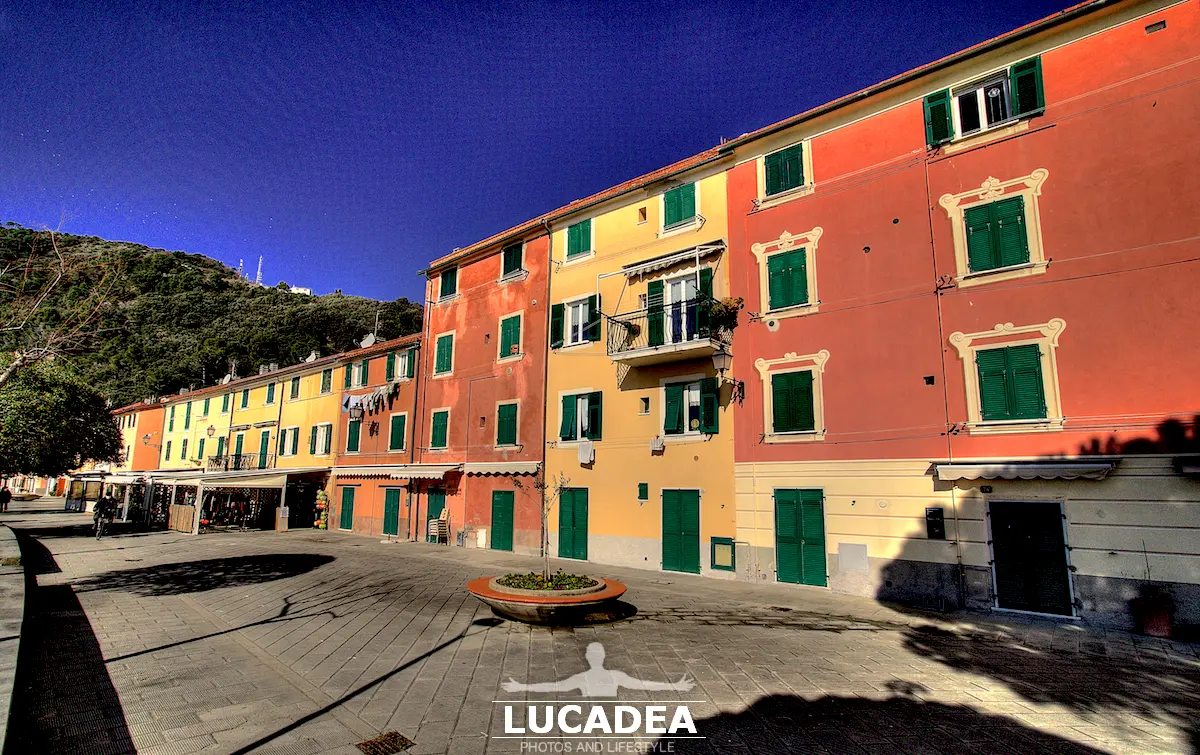
A Promenade Along Via Brin in Riva Trigoso.
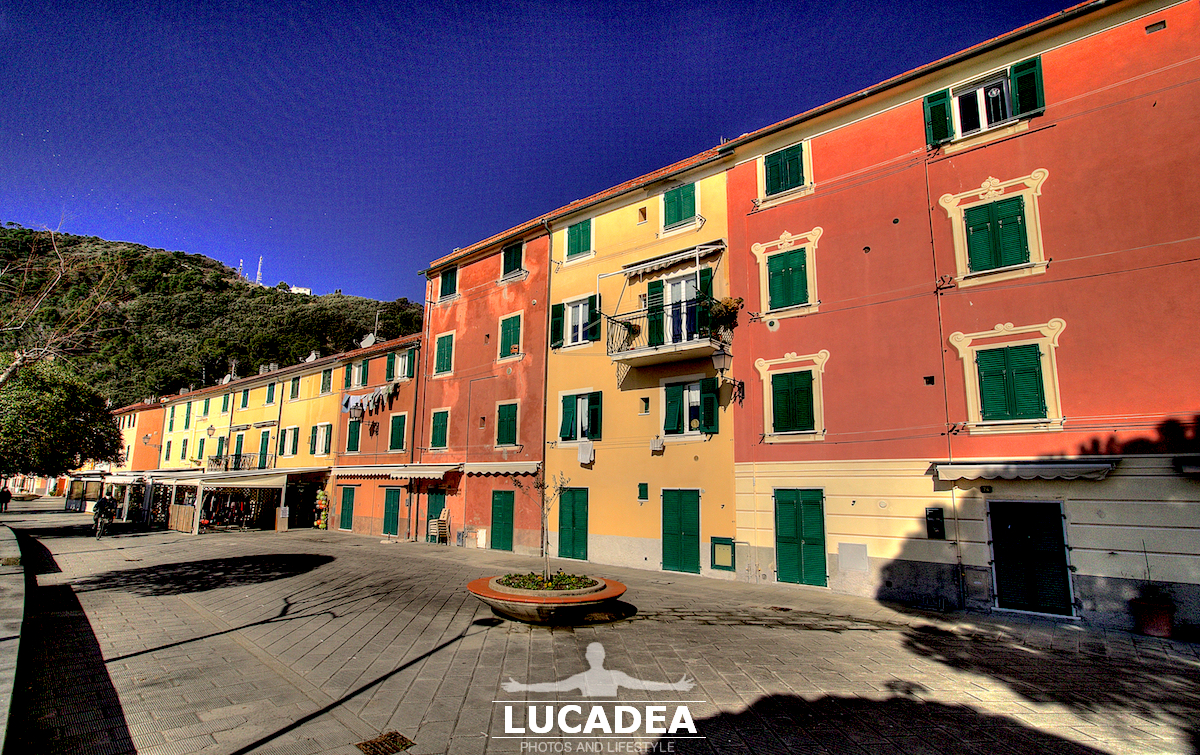
Walking along this promenade, with the houses facing the sea, is one of those moments when I naturally slow down and look around. The Riva Trigoso promenade in the municipality of Sestri Levante is one of the corners of eastern Liguria that I enjoy photographing, especially when I find it quiet and there are only a few people around.
This photograph was taken along Via Brin, on the western side of Riva Trigoso, where the houses follow the promenade and look directly towards the sea. It is a simple, everyday view, but I think it captures something important about this small seaside village.
When I think about what to see in Riva Trigoso, the first thing that comes to mind is the close relationship between the houses and the sea. There is no need to look for a particular monument here. Walking along the promenade, noticing the façades, following the line of the buildings and looking towards the water is enough to understand something of the character of the place.
A spring morning is when I particularly enjoy this part of the promenade. There is no need to invent a special atmosphere: what I like is the ordinary character of the place when there are still relatively few people around and the walk can be taken slowly. The houses seem to accompany the promenade while the sea remains constantly present just beyond them.
I wanted to capture this scene with my camera because it belongs to the eastern Liguria that I know well and have been photographing for years. Places like this can look completely different depending on the season, the time of day and, above all, how busy they are. The same promenade that can be crowded with beachgoers and visitors in summer feels much more intimate on a quiet spring morning.
Riva Trigoso is part of the municipality of Sestri Levante, in Liguria, Italy, in the Province of Genoa. The village is traditionally divided by the Petronio River into two areas, and the western part develops towards Moneglia. Here the connection with the sea and the local maritime tradition is particularly evident.
There is also a small detail about the name itself that I find interesting. Riva Trigoso grew from two historically distinct settlements, Riva and Trigoso, which gradually became one inhabited area. Knowing this makes the village easier to understand, especially because different parts of it have their own character while still belonging to the same municipality.
For me, however, the visual side remains the most important part of the photograph. There is no dramatic viewpoint here and no famous panoramic terrace. There is simply a street beside the sea and a row of houses following the coastline. This is exactly the kind of ordinary scene that can sometimes tell me more about a place than the photographs everyone already knows.
If you are visiting the area and wondering what to see in Riva Trigoso, walking along the Via Brin promenade is a simple way to experience this relationship between the village and the sea. You do not need a complicated itinerary or a demanding walk. The surroundings themselves provide plenty of small details to notice as you move along the promenade.
This is something I often find in my photographs from eastern Liguria. As in other posts about small coastal villages and promenades, I was not looking for a spectacular subject created specifically for photography. I simply came across a scene that caught my attention and felt worth keeping.
Looking back at this image, what I like most is the sense of space and quietness. I know that Riva Trigoso can feel very different during the busiest months, but perhaps that is part of what makes photographing it interesting. A familiar place can reveal a completely different character depending on when you happen to arrive.

If you found yourself walking along the Via Brin promenade on a quiet spring morning, would you stop to photograph this view of Riva Trigoso too? Add a comment or go to the bottom of the site to read what other visitors have written.

Via Brin promenade in Riva Trigoso, with seaside houses overlooking the Ligurian coast

Photo taken with a Canon EOS M100 camera and Canon EF-S 10-18 lens.

Benedetto Brin (Turin, May 17, 1833 – Rome, May 24, 1898) was an Italian engineer, admiral, and politician. Having entered the service of the Sardinian Navy in 1853 as a naval engineering officer, in 1864 he published an article demonstrating the inevitability of the transition to ironclad ships, thereby aligning himself with the views of Simone Pacoret de Saint-Bon.
Read more on Wikipedia

Spring views of Bay of Silence in Sestri Levante

Baia del Silenzio a Sestri Levante in primavera con case colorate e scorcio sul mare

Spring views of Bay of Silence in Sestri Levante.
Every time I photograph Bay of Silence in Sestri Levante, Liguria, Italy, I find myself in front of one of the places I most enjoy capturing with my camera. This photograph was taken on May 21, during a spring day when the colors of the bay and the peaceful atmosphere of the place made this familiar view even more enjoyable to photograph.
Bay of Silence, also known as Portobello, is one of the most recognizable corners of Sestri Levante. It is not the first time I have shared a photograph of this place, and it probably will not be the last, because living close to such a unique location naturally means returning to it again and again with curiosity and a camera.
I took this image because spring gives the bay a special character. There does not always need to be a particular event or a perfect moment to create an interesting photograph. Sometimes a pleasant day is enough to transform an everyday scene into something worth remembering. The colorful houses facing the water, the sheltered shape of the bay, and the connection between the village and the sea are details that continue to attract my attention.
If you are visiting Sestri Levante and looking for places worth seeing, Bay of Silence is certainly one of the most interesting spots to discover. Its appeal is not only connected to its beauty but also to the way it changes throughout the year, offering different moods and photographic opportunities in every season.
A small curiosity is the name Portobello, which has traditionally been associated with this area, while the name Bay of Silence became the one that best describes the quiet and intimate character of this part of town.
This photograph naturally connects with other stories I have shared about Sestri Levante, including images of the old town streets, the carruggio, and the less-known corners of my hometown. Even when I travel and photograph distant places, I always return here because Sestri remains the place I know best and the one I most enjoy sharing.
Some places can be photographed many times and still reveal something new.

What season do you think shows Bay of Silence at its best? Add a comment or go to the bottom of the site to read what other visitors have written.

Bay of Silence in Sestri Levante during spring with colorful houses and a coastal view

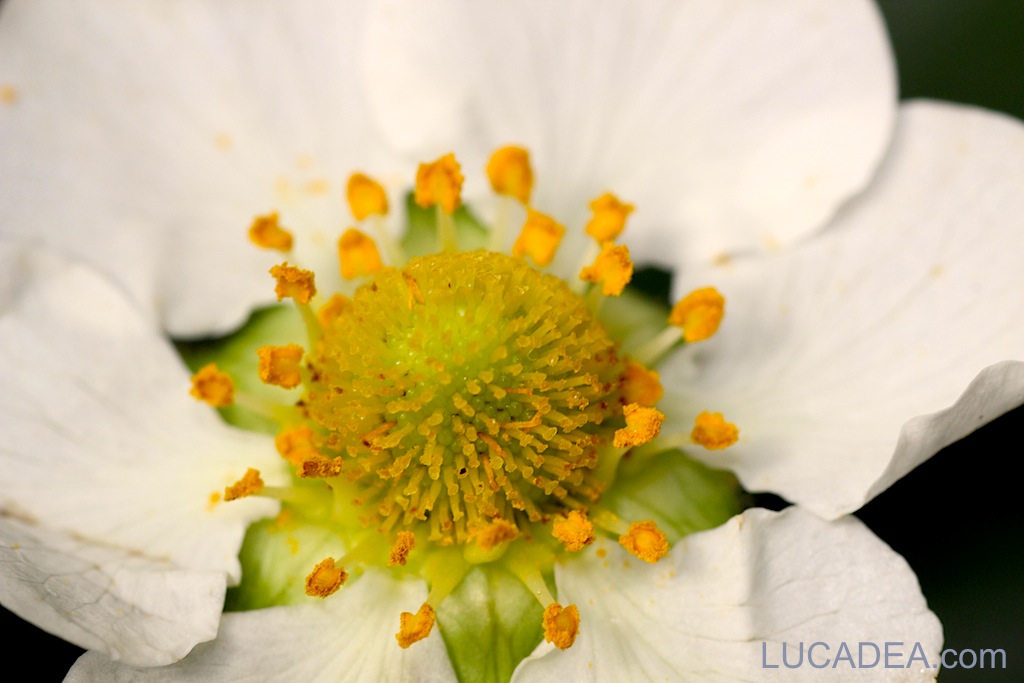
Strawberry flower captured in macro detail

Fiore della fragola fotografato in macro nel giardino con petali bianchi e dettagli ravvicinati

Strawberry flower captured in macro detail.
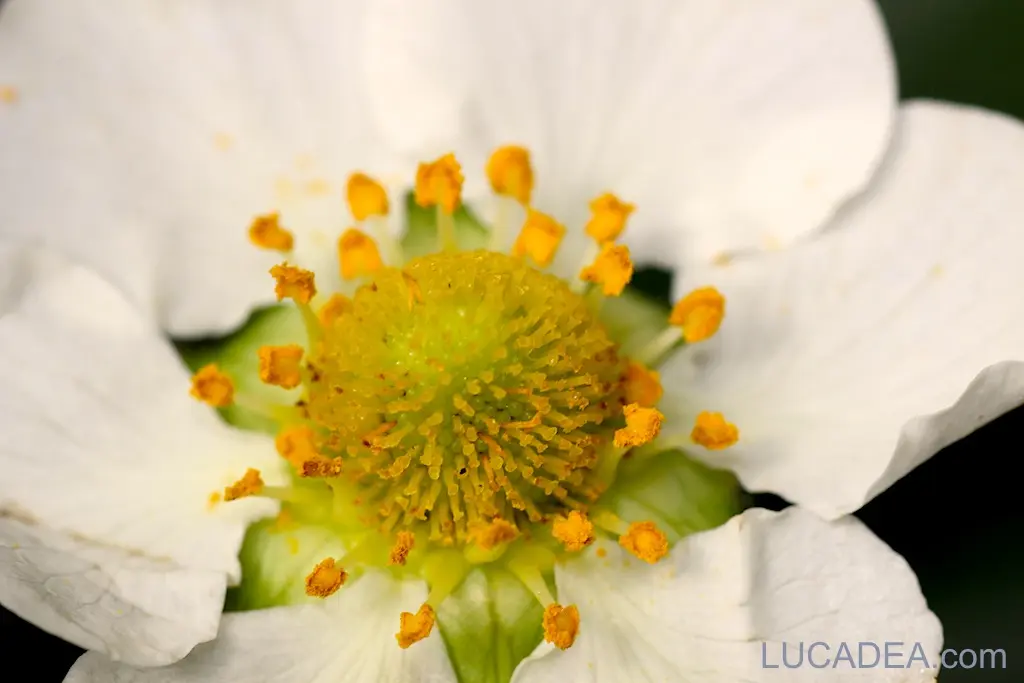
In my garden I found a small subject that immediately caught the attention of my macro lens: the strawberry flower, a delicate detail that is often overlooked compared with the fruit that will appear later. This photograph of a strawberry flower shows the hidden beauty of small natural elements that can be discovered simply by looking more carefully.
Many flowers seem ordinary at first glance, but getting closer with a camera reveals shapes, textures and details that are usually unnoticed. In this case, I wanted to focus on the structure of the strawberry flower, its white petals and the natural form that announces the arrival of the familiar red fruit.
I took this photograph in my garden using a macro lens, a technique that allows me to explore very small subjects and highlight details that are difficult to see with the naked eye. Photography does not always require distant landscapes or famous places. Sometimes the most interesting images are waiting just outside the house.
The strawberry flower is the first step in the process that will eventually produce the strawberries we know and enjoy. Watching this transformation from blossom to fruit is one of the reasons why even a small home garden can become an interesting place for photography.
The strawberry belongs to the Rosaceae family, and its flower usually has five white petals surrounding a central area made of many small reproductive parts. This simple but elegant structure makes it a fascinating subject for close-up photography.
One interesting fact about strawberries is that what we usually consider the fruit is technically not a true fruit. The small seeds visible on the surface are the actual fruits of the plant, while the red and juicy part develops mainly from the enlarged flower base.
On my blog I often share photographs of everyday details because I believe interesting subjects can be found everywhere. Just like the villages, landscapes and small corners I photograph during my travels, a simple flower can also tell a story when observed with attention.
This image of a strawberry flower comes from that curiosity: looking closer, slowing down and discovering that even a small blossom in the garden can become a meaningful photographic subject.

Have you ever photographed a common flower and discovered details you had never noticed before? Add a comment or go to the bottom of the site to read what other visitors have written.

Macro photograph of a strawberry flower in the garden with white petals and fine natural details

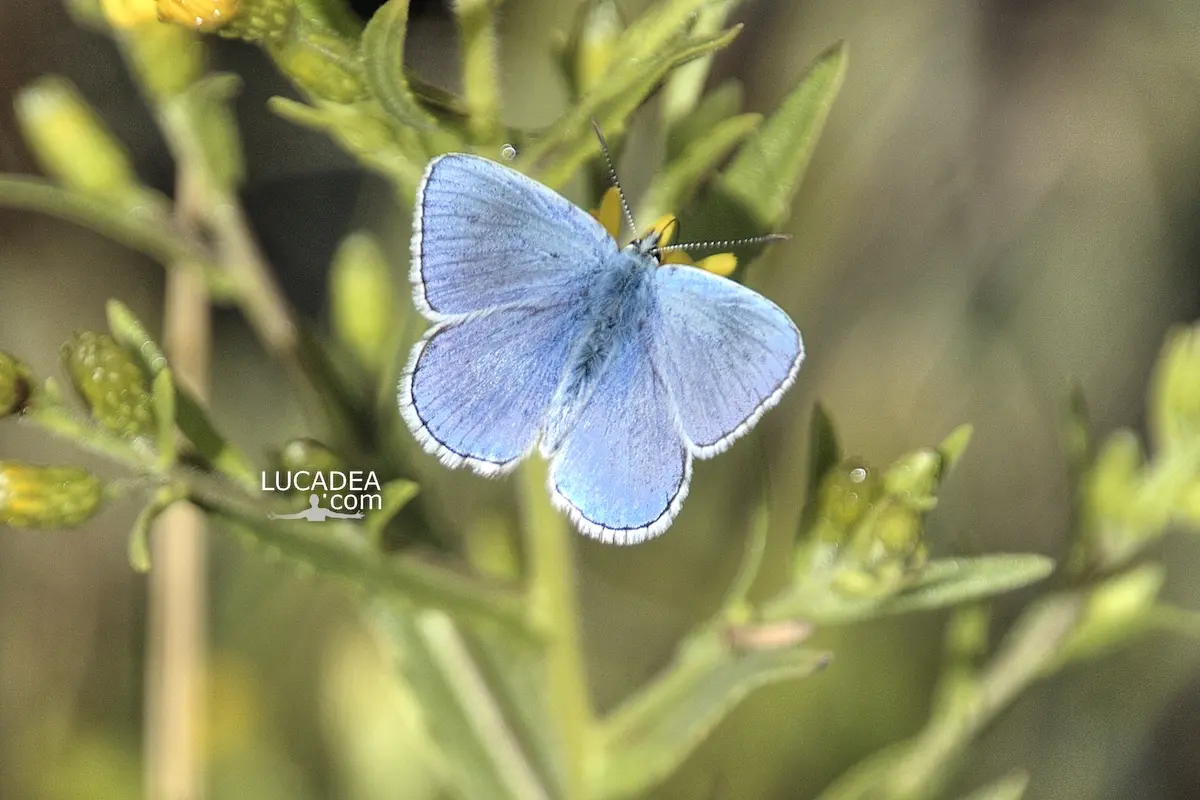
A blue butterfly along a trail in Liguria

Farfalla azzurra fotografata su una pianta lungo un sentiero della Liguria tra la vegetazione

A blue butterfly along a trail in Liguria.
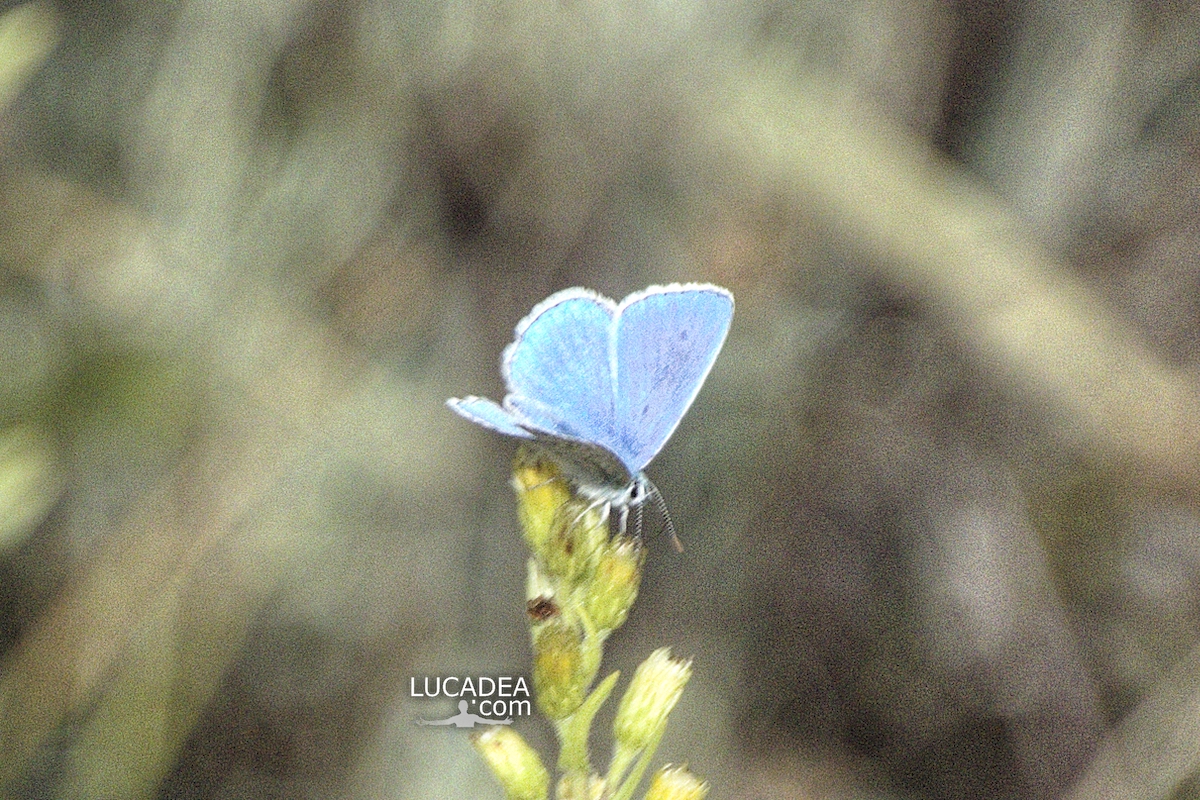
While walking through the vegetation, I came across this small blue butterfly resting on a plant, a simple encounter that made me stop for a few moments and observe the details around me. Photographing butterflies along trails is something I enjoy because these images capture the small natural moments that can easily go unnoticed.
I do not remember the exact trail where I took this photograph, but it belongs to the many walks I have made through Liguria over the years. Sometimes I leave home looking for a viewpoint, a village or a specific destination, but the unexpected encounters along the way are often the ones that remain in my memory.
I captured this moment with my camera trying to preserve the delicate colour of the butterfly’s wings, which stands out against the green leaves and the soft background of the vegetation. The image shows how even a very small subject can become the main character of a photograph when we take the time to look carefully.
This photograph was taken in Liguria, Italy, during a walk on one of the many trails crossing the region between the coast and the countryside. Liguria is often associated with seaside villages and Mediterranean landscapes, but moving only a short distance inland reveals woods, meadows and natural environments full of small creatures like this butterfly.
A small curiosity about blue butterflies is that many of them belong to the Lycaenidae family, a large group found throughout Europe. They are usually small in size, but their colourful wings make them some of the most fascinating subjects for nature photography.
I like images like this because they remind me that a walk is not only about reaching a destination. Sometimes the most interesting things happen along the path, hidden among leaves and plants, waiting for someone to notice them.
After sharing many photographs of Ligurian landscapes and hiking routes, including trails above Sestri Levante, I also wanted to dedicate space to these tiny inhabitants of the places I explore.
You do not always need a spectacular panorama to find something worth photographing. Sometimes a quiet moment beside a plant is enough.

Have you ever stopped during a walk because a butterfly caught your attention? Add a comment or go to the bottom of the site to read what other visitors have written.

Blue butterfly photographed on a plant along a trail in Liguria surrounded by natural vegetation

Blue butterfly photographed on a plant along a trail in Liguria surrounded by natural vegetation

Photo taken with Canon EOS M100 and lens Tamron 16-300.

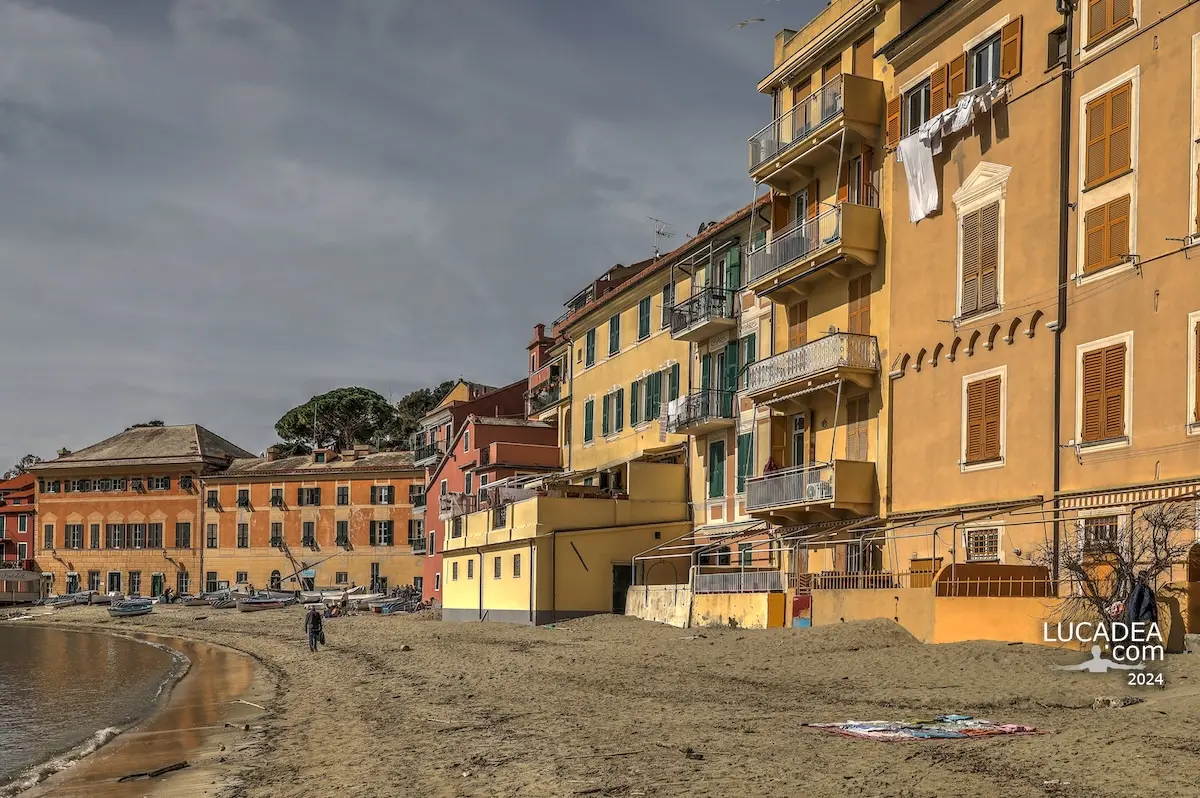
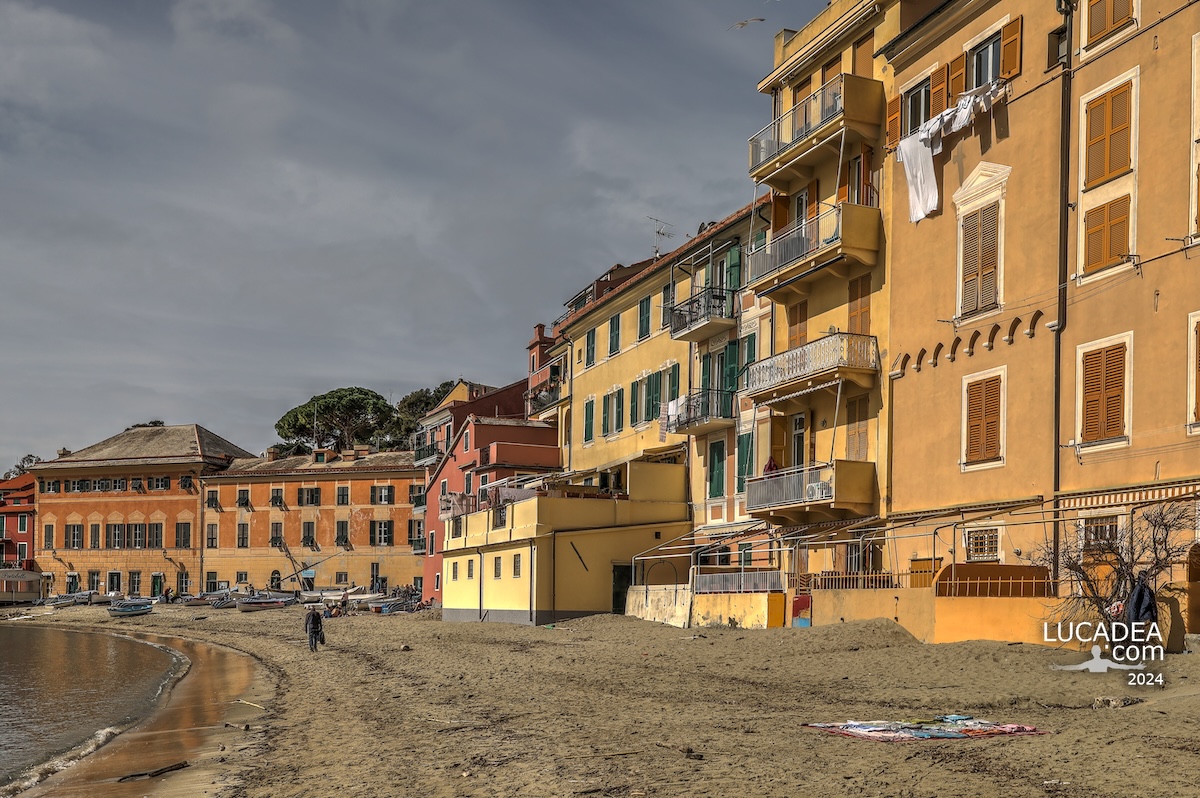
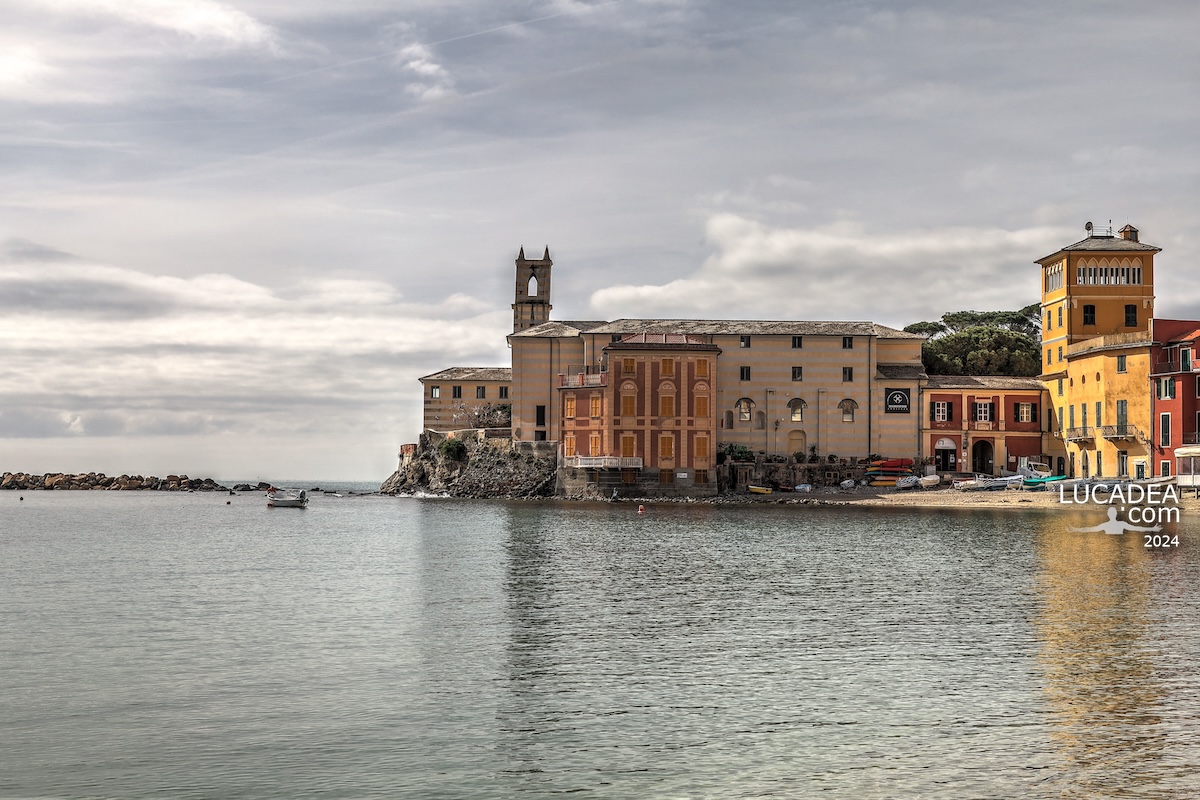
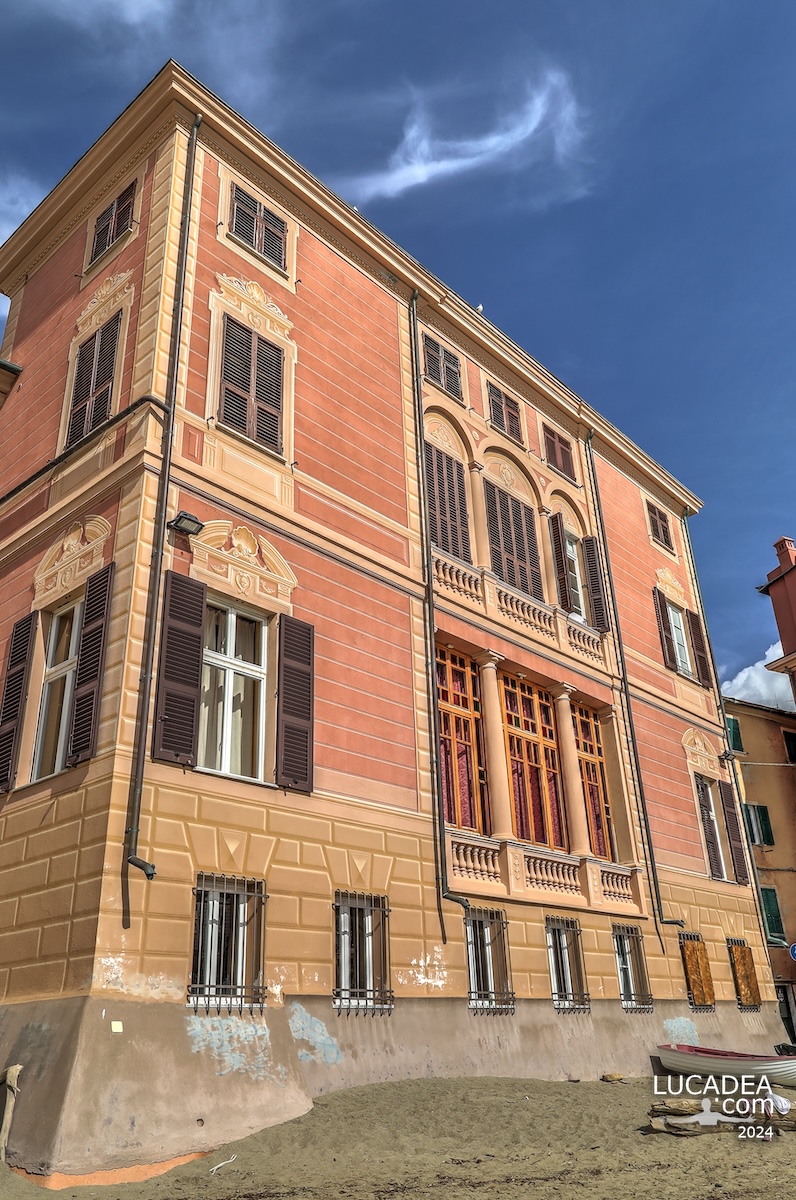
The Bay of Silence on a March morning

La Baia del Silenzio una mattina di marzo

The Bay of Silence on a March morning.
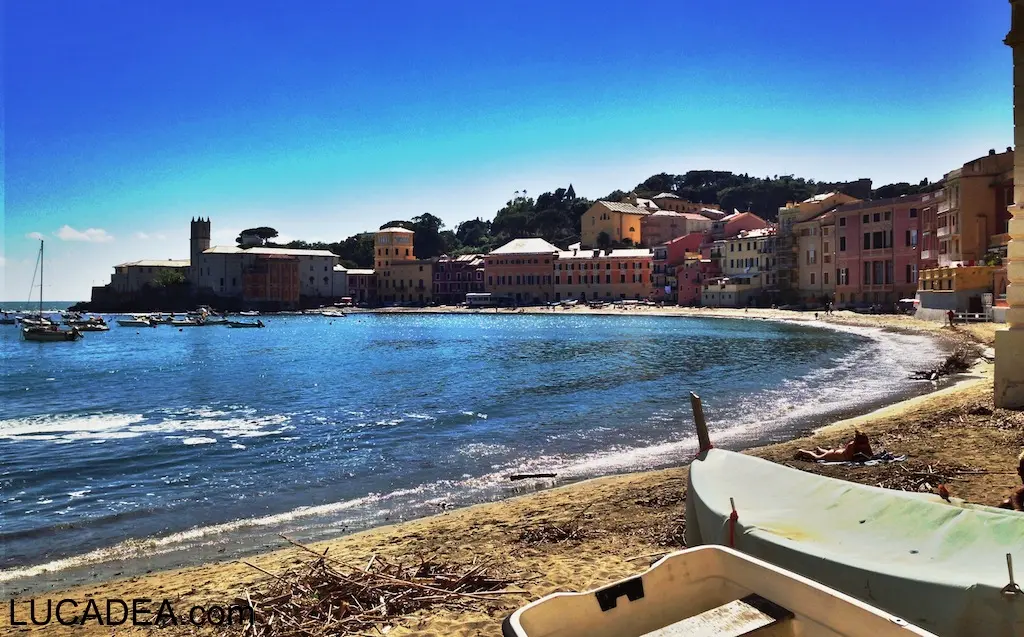
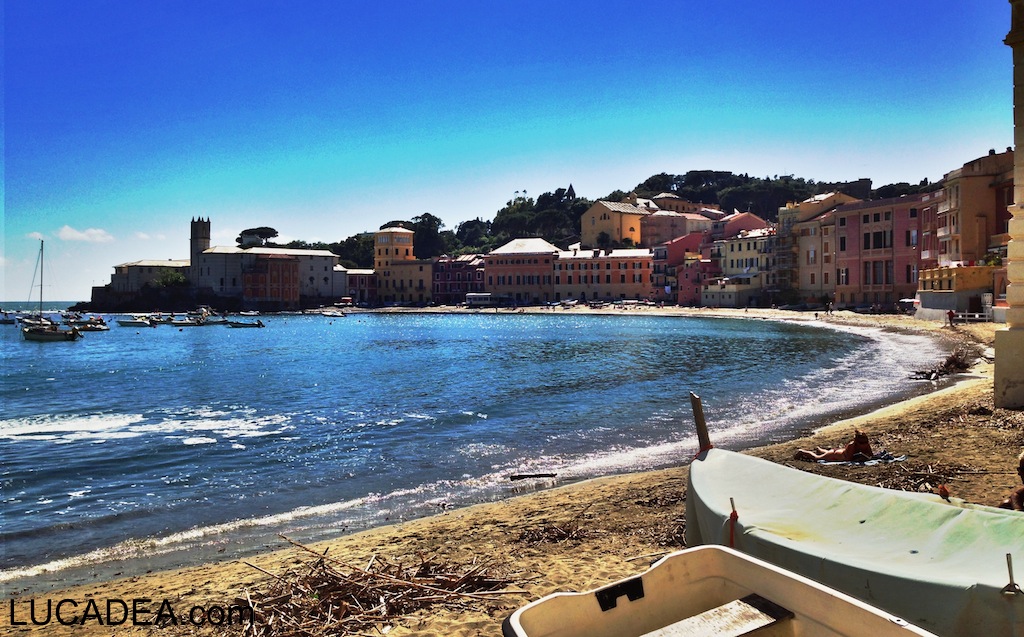
Standing in front of this view of Sestri Levante, I found myself enjoying the quiet atmosphere of the beach and the way spring changes the feeling of a well-known place. The Bay of Silence is one of the most beautiful places to see in Liguria, and photographing it outside the busy summer months reveals a more intimate and authentic side.
I took this photograph on a March morning, during a time of year when the sea seems calmer and the whole coastline feels slower. The famous bay of Sestri Levante showed a different personality: fewer people, more space to notice the details of the colorful houses facing the water, the small boats, and the gentle shape of the shoreline.
The Bay of Silence is located in Sestri Levante, Liguria, Italy, and its charm comes from the natural protection created by its unique position along the coast. Looking at the scene, it is easy to understand why this small bay has become one of the most photographed places in the region. The village and the sea appear connected, creating a landscape where architecture and nature blend together.
I enjoy photographing famous locations when they reveal something unexpected. During summer, this beach is full of energy, but on a sunny day in March it can offer a completely different experience. Spring brings softer colors and a peaceful atmosphere that allows me to focus on small details: reflections on the water, quiet corners of the shore, and the relationship between the buildings and the sea.
A small curiosity about the Bay of Silence is that its name comes from the peaceful atmosphere of this sheltered stretch of coast, where the calm waters create a unique feeling of serenity.
On the blog, I have shared other views from eastern Liguria because each village and coastal landscape has its own story to tell. Some places become even more fascinating when they are seen away from the busiest seasons.

This photograph reminds me that a famous place does not always need crowds and summer days to be beautiful. Sometimes a quiet morning is enough to discover a completely new side of a location. Have you ever visited a famous place during the quieter seasons and loved it even more? Add a comment or go to the bottom of the site to read what other visitors have written.

La Baia del Silenzio una mattina di marzo

Photos taken with Canon EOS RP and lens Canon RF 24-50.

Here is where the bay is located:

La Baia del Silenzio in una mattina di marzo – The Bay of Silence on a March morning – La Baie du Silence un matin de mars – La Bahía del Silencio en una mañana de marzo – A Baía do Silêncio em uma manhã de março – Die Bucht des Schweigens an einem Märzmorgen – Vịnh Sự Im Lặng vào một buổi sáng tháng Ba – 三月清晨的宁静海湾 – 3月の朝の静寂の湾

The text of this post was written with the help of ChatGPT, a language model from OpenAI.

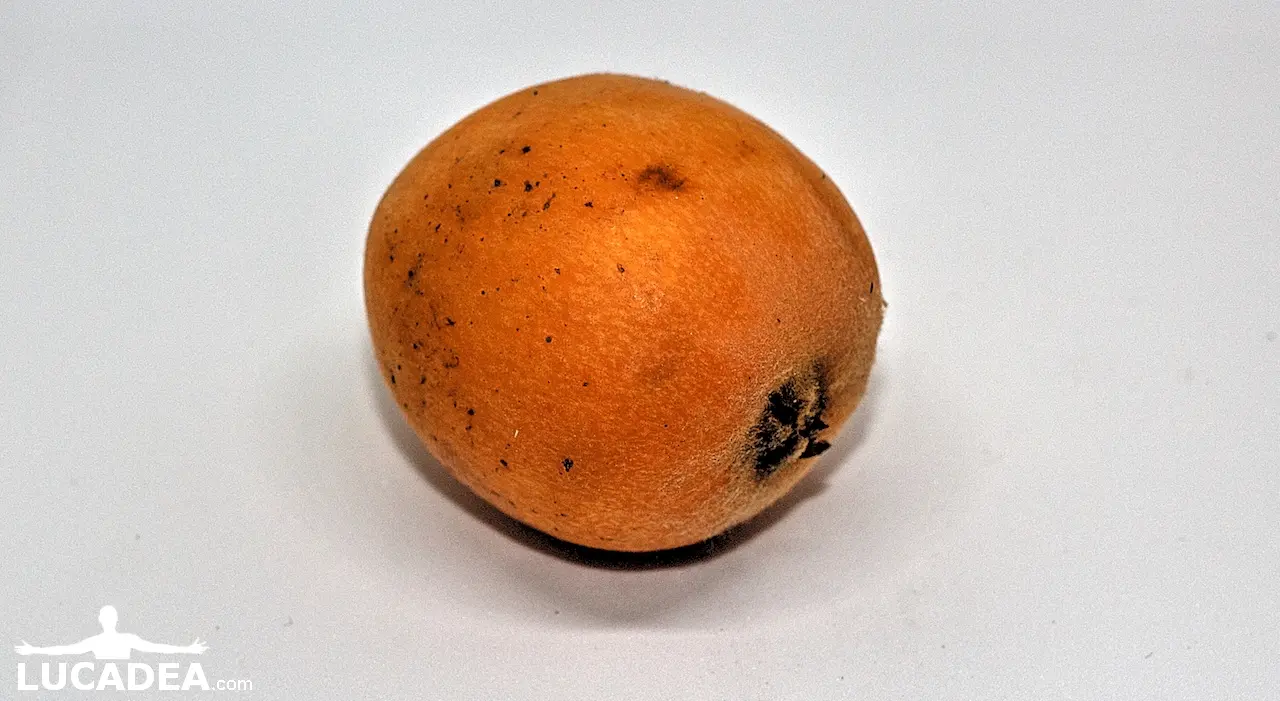
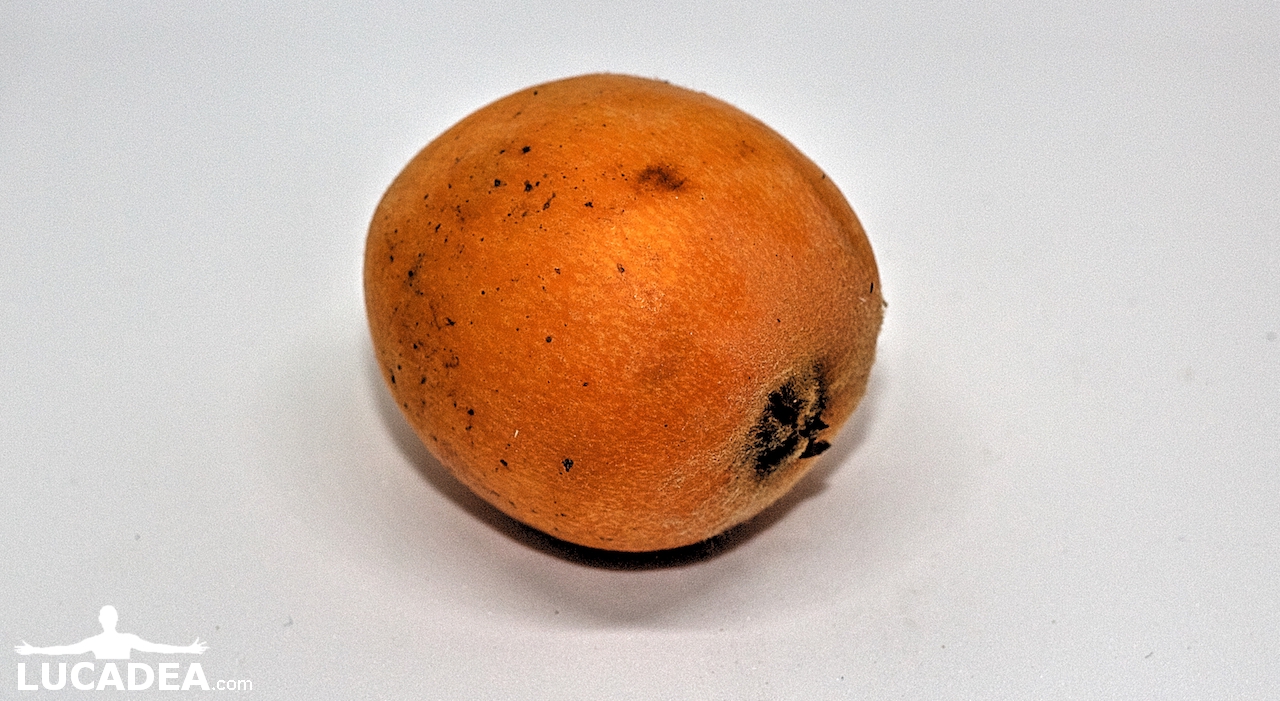
An orange loquat, a small seasonal fruit

Singola nespola arancione fotografata come piccolo frutto di stagione della natura italiana

An orange loquat, a small seasonal fruit.
Sometimes a single element is enough to capture attention and become the subject of a photograph. This orange loquat, with its simple shape and warm color, represents one of those small details of nature that are often overlooked but deserve a closer look.
A photograph does not always need a large landscape or a special scene to tell a story. A ripe fruit can represent a season, recall a specific moment and bring back memories connected to everyday life. The loquat, with its bright orange tone and slightly velvety surface, is a simple subject but full of interesting characteristics.
The image shows a single loquat, a small orange fruit traditionally associated with spring and often found growing in gardens and countryside areas in Italy. I enjoy photographing these details because they are part of a more intimate way of telling the story of a place, made of common elements that are still beautiful.
The loquat is a fruit that grows especially well in mild and Mediterranean climates. If you are interested in discovering natural details and seasonal products, even a local fruit can become a way to understand a landscape and its traditions.
One interesting fact is that there are several varieties of loquat and that traditionally the fruit was often allowed to soften after harvesting in order to develop a sweeter taste and a smoother texture.
This image was created from the desire to preserve something simple. Like other posts on my photoblog dedicated to natural details and everyday objects, this photograph is not about a famous location but about a small subject that caught my eye.
Looking at a fruit through a camera lens allows us to notice details we usually ignore: its shape, colors, small imperfections and the features that make every natural element unique.
A single loquat may seem like an ordinary subject, but often the simplest things are the ones that best express the connection between photography and reality.

What small detail from nature have you ever noticed and photographed almost by chance? Add a comment or go to the bottom of the site to read what other visitors have written.

Singola nespola arancione fotografata come piccolo frutto di stagione della natura italiana

Photo taken with Canon 600D and Canon EF 40.

An orange loquat, a small seasonal fruit – Une nèfle orange, un petit fruit de saison – Un níspero naranja, un pequeño fruto de temporada – Uma nêspera laranja, uma pequena fruta da estação – Eine orange Mispel, eine kleine saisonale Frucht – Một quả hồng xiêm màu cam, loại trái cây theo mùa nhỏ – 一个橙色枇杷,小小的季节水果 – オレンジ色のビワ、小さな旬の果物

The text of this post was written with the help of ChatGPT, a language model from OpenAI.

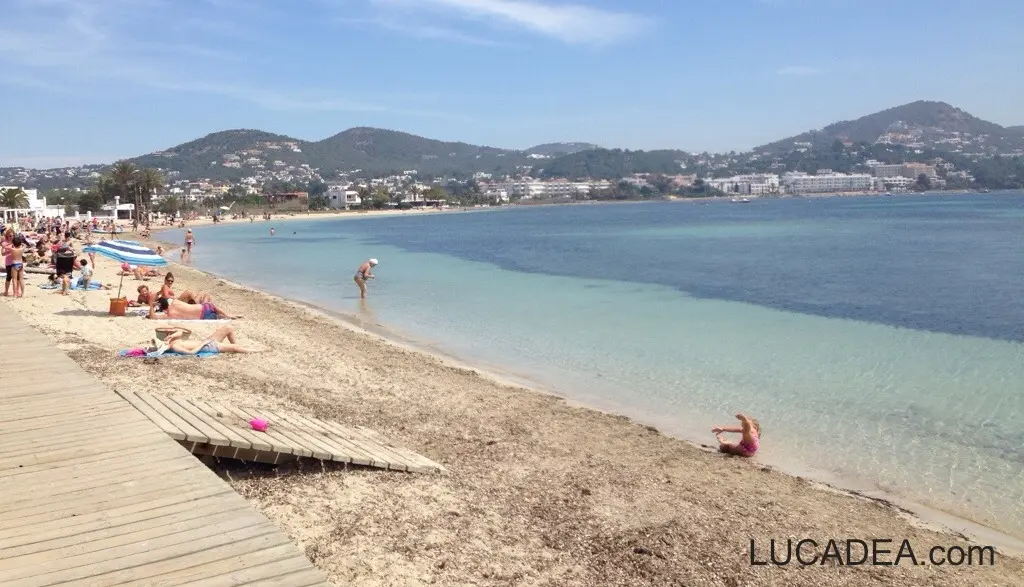
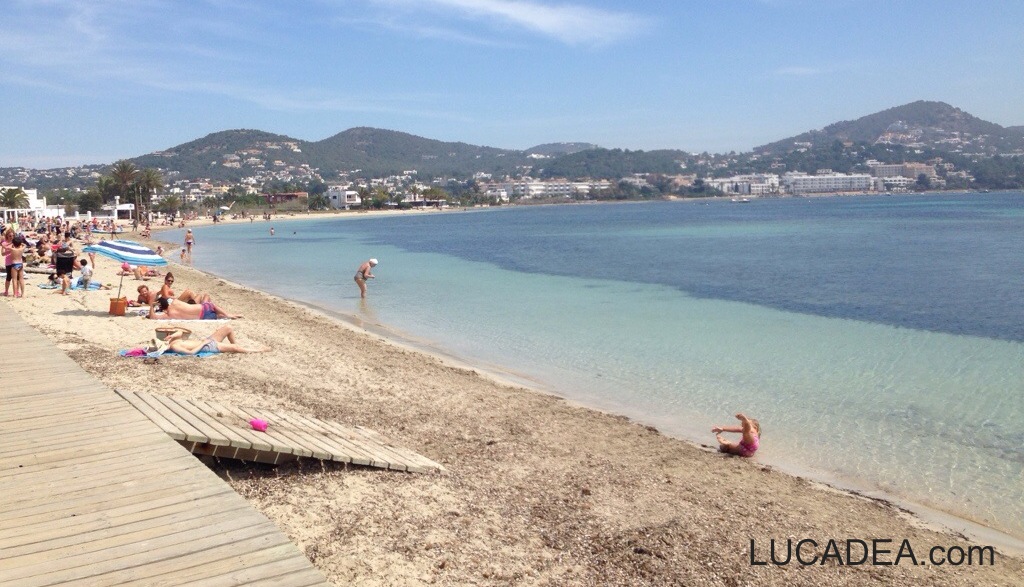
Ibiza in April with calm sea and early sun

Ibiza ad aprile con mare calmo, spiagge tranquille e persone che si rilassano al sole nelle Baleari in Spagna

Ibiza in April with calm sea and early sun.
Ibiza in April feels like a completely different island compared to the busy summer months, and this idea of Ibiza in April is exactly what makes it so fascinating to me when I travel to Ibiza in the Balearic Islands, Spain. The atmosphere is softer, quieter, and the sea remains the main character of the landscape.
Walking along the coast in Ibiza in April, I notice how the island slowly wakes up from winter. The beaches are not yet crowded, and people start to use their lunch breaks just to sit under the sun for a while, enjoying the first warm light of the season. This version of Ibiza in April is far from the party image many people have in mind.
There is a sense of balance here, similar to what I once experienced when photographing the Bay of Silence in Sestri Levante: a place that changes completely depending on the season, revealing a more intimate identity when it is quiet. Ibiza in April has the same kind of gentle transition between silence and life.
While taking photos, I focus on small details: reflections on the water, empty stretches of sand, and the contrast between blue sea and pale spring light. These simple elements define the essence of Ibiza in April much more than any postcard view.
A typical search someone might do is “what is Ibiza like in April”, and the answer is simple: it is a place worth seeing if you want to experience the island before the full summer rush begins, when everything is still open but not yet crowded.

Have you ever visited a famous island during its quietest season? Add a comment or go to the bottom of the site to read what other visitors have written.

Ibiza ad aprile con mare calmo, spiagge tranquille e persone che si rilassano al sole nelle Baleari in Spagna

Ibiza in April between calm sea and early sun – Ibiza en abril entre mar tranquilo y sol temprano – Ibiza en avril entre mer calme et soleil matinal – Ibiza em abril entre mar calmo e sol cedo – Ibiza im April zwischen ruhigem Meer und frühem Sonnenlicht – Ibiza tháng tư với biển lặng và nắng sớm – 四月在伊比萨,平静的海与初升的阳光 – 穏やかな海と早い太陽のイビサの4月

The text of this post was written with the help of ChatGPT, a language model from OpenAI.

🏠
  • Italiano