Flowers and a blue window at Da Nang Marina

Finestra blu aperta con bouganville rosa su muro bianco alla Da Nang Marina, interno semplice visibile sullo sfondo

Flowers and a blue window at Da Nang Marina.
I pause in front of this scene almost unintentionally, drawn in by the strong contrast between the white wall and the deep blue of the window. At Da Nang Marina, corners like this feel designed to slow you down, to make you notice things you might otherwise ignore.
The bougainvillea spills naturally along the side of the frame, its bright color breaking the simplicity of the composition. I move slightly to adjust my perspective, trying to include the flowers without letting them take over the scene. The open blue window creates an unexpected sense of depth, revealing a quiet interior space with just a few pieces of furniture and soft colors that stay in the background.
What stands out to me is the balance. At Da Nang Marina, everything feels intentional without appearing forced. The white wall isn’t perfectly smooth, the paint has subtle imperfections, and that’s exactly what makes it feel real. Inside, a chair and a small cabinet hint at daily life, even though no one is present in the frame.
I take a few shots, focusing on how the elements interact with each other. The bougainvillea acts like a natural frame, while the blue window becomes the anchor of the composition. There’s nothing dramatic happening, and yet the scene holds my attention in a quiet, steady way.
There’s also a small detail that adds another layer to this place: Da Nang Marina was designed to evoke the atmosphere of Greek islands, with its characteristic colors and simple architectural lines, which is why it has become such a popular spot for photography.
I linger for a moment longer, realizing how easily I could have walked past without noticing this small, carefully composed corner.

Have you ever stopped for something this simple and found it unexpectedly memorable? Add a comment or go to the bottom of the site to read what other visitors have written.

Finestra blu aperta con bouganville rosa su muro bianco alla Da Nang Marina, interno semplice visibile sullo sfondo

Photo taken with Canon EOS RP and Tamron 16-300 lens.

To see all the photos I took of the marina, click here:
foto gallery

Flowers and a blue window at Da Nang Marina – Fleurs et fenêtre bleue à la marina de Da Nang – Flores y ventana azul en la Marina de Da Nang – Flores e janela azul na Marina de Da Nang – Blumen und blaues Fenster in der Marina von Da Nang – Hoa và cửa sổ xanh tại Da Nang Marina – 岘港码头的花与蓝色窗户 – ダナンマリーナの花と青い窓

The text of this post was written with the help of ChatGPT, a language model from OpenAI.

Add one  comment to this article or read  here what other visitors have written.
 
Adv
 
Disclamer

The rights on images, videos, choruses, text and all other material on the LUCADEA.com website are governed as per  Copyright page.


This page has been viewed 1 times today.
This month it has been viewed 1 times.
In total it has been viewed 1 times.
 

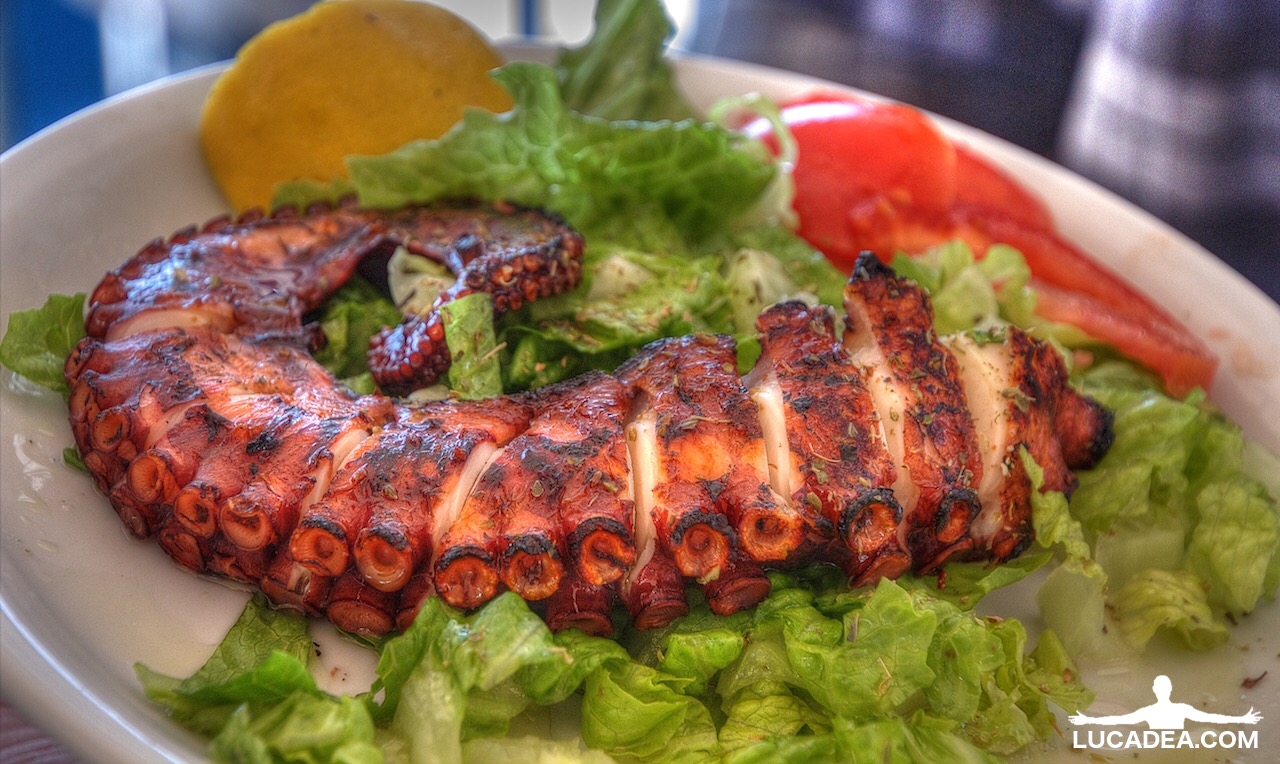
Grilled Greek octopus photographed in Santorini

Polpo alla griglia greco servito su lattuga in un piatto fotografato durante un viaggio a Santorini

Grilled Greek octopus photographed in Santorini.
Among the flavours I discovered during my travels, this grilled Greek octopus is one of the photographs that still reminds me of the sea, the local cuisine and the simple moments experienced on a Greek island.
I took this picture during a stop in Santorini, when I decided to taste one of the dishes most connected with Greek coastal traditions. The plate was simple, with grilled octopus resting on a few lettuce leaves, but that simplicity was exactly what caught my attention. I wanted to capture this moment with my camera because food can also become a visual memory of a place.
If you are visiting Santorini, trying local seafood is one of the experiences that helps you understand the connection between the island and the Aegean Sea. Grilled octopus is a common sight in Greek tavernas, where fresh ingredients and traditional cooking methods are still part of everyday life.
This photograph was taken in Santorini, in the Cyclades Islands, Greece, during one of my visits to the Mediterranean. The colours of the dish, the simple presentation and the feeling of a seaside meal created a scene that deserved to be preserved.
Octopus has a long tradition in Mediterranean cuisine. One interesting detail is that in some Greek islands it is traditionally left to dry in the open air before cooking, a practice that helps achieve a particular texture and flavour.
This was not my first photographic encounter with octopus dishes. On my website I also shared another food memory featuring Galician-style octopus, a different preparation that shows how the same ingredient can tell different stories depending on the country and culture.
Food photography is different from photographing landscapes or architecture because it captures a very specific instant. A dish can bring back the atmosphere of a journey, the place where it was eaten and the small details surrounding that experience.
This image remains connected to Santorini and to that simple moment spent enjoying a seafood dish during my trip. Sometimes a photograph does not need a famous monument to tell a story; even a plate on a table can become a way to remember a destination.

Have you ever tried grilled octopus while travelling through Greece? Add a comment or go to the bottom of the site to read what other visitors have written.

Grilled Greek octopus served on lettuce in a dish photographed during a visit to Santorini

Photo taken with a Canon EOS M100 camera and a Tamron 16-300 lens.

The common octopus is a cephalopod belonging to the Octopodidae family. In everyday language, it is sometimes referred to as a *pòlipo*, but it should not be confused with the *polipo* (polyp)—an animal (belonging to the phylum Cnidaria) that, for instance, forms the basis of coral.
Read more on Wikipedia

Add one  comment to this article or read  here what other visitors have written.
 
Adv
 
Disclamer

The rights on images, videos, choruses, text and all other material on the LUCADEA.com website are governed as per  Copyright page.

This page has been viewed 2 times today.
This month it has been viewed 3 times.
In total it has been viewed 3 times.
 

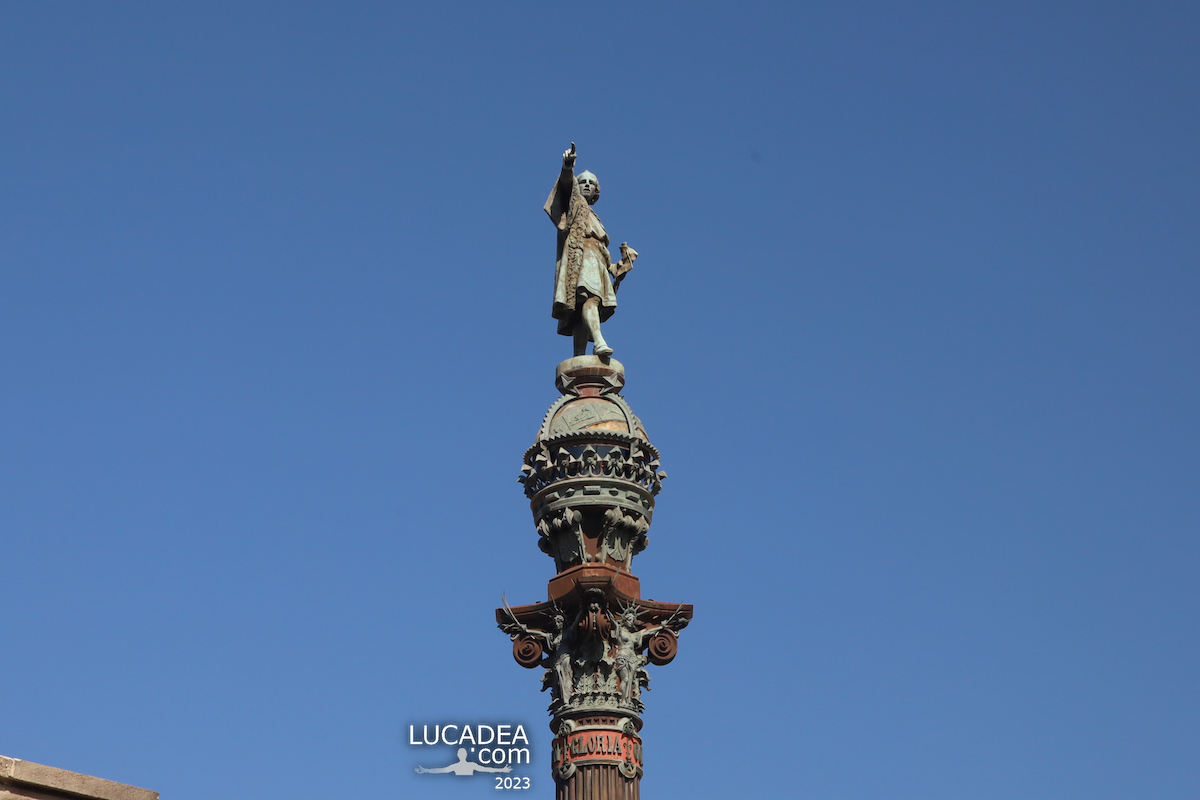
The Columbus statue on Barcelona’s Rambla

La statua di Cristoforo Colombo a Barcellona

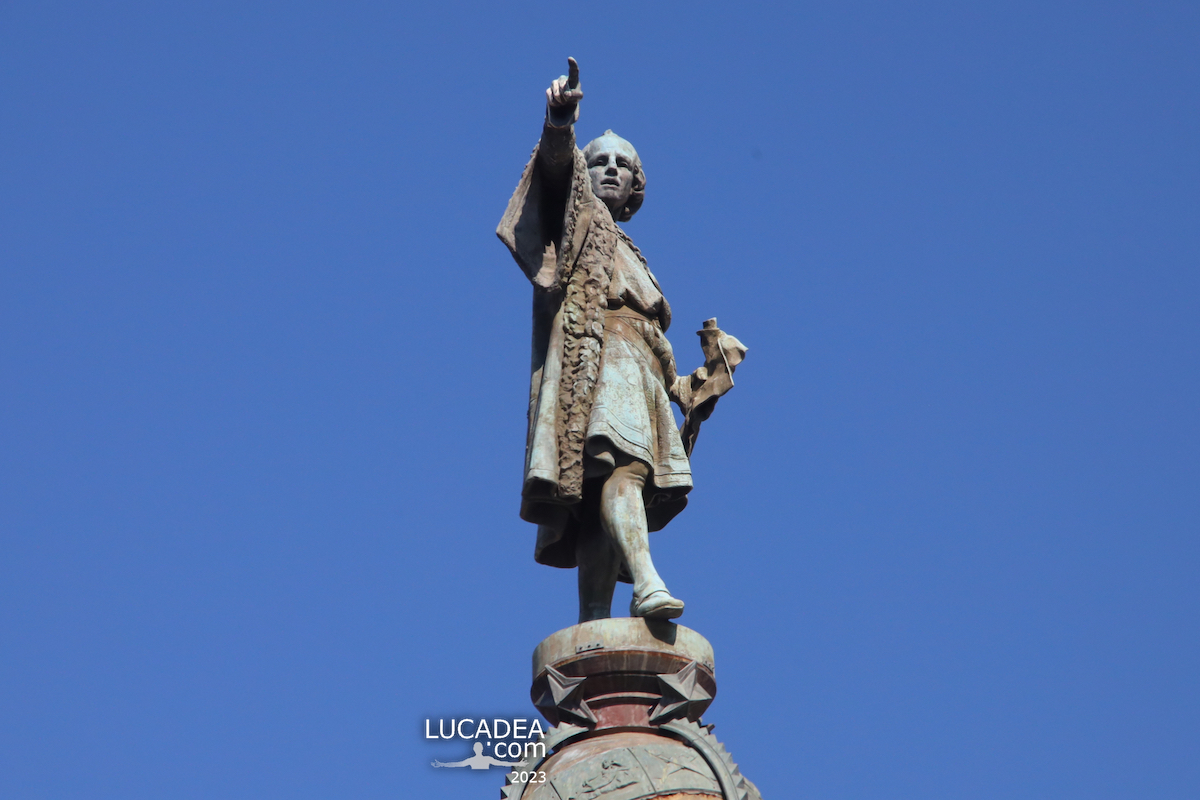
The Columbus statue on Barcelona’s Rambla.
Walking toward the sea along Barcelona’s famous Rambla, I reached one of the city’s most recognizable landmarks, an imposing monument that marks the end of one of the most famous streets in Spain. The Columbus statue in Barcelona is one of the places worth seeing during a visit to the city center, especially for those interested in discovering the connection between Barcelona and the memory of the Genoese navigator.
This photograph captures the moment when the Rambla opens toward the waterfront, where the large square hosts this impressive monument. From this perspective, the statue becomes part of a wider scene: behind it there is the energy of the city, while ahead there is the harbor and the Mediterranean. It is a place where history and everyday life constantly meet.
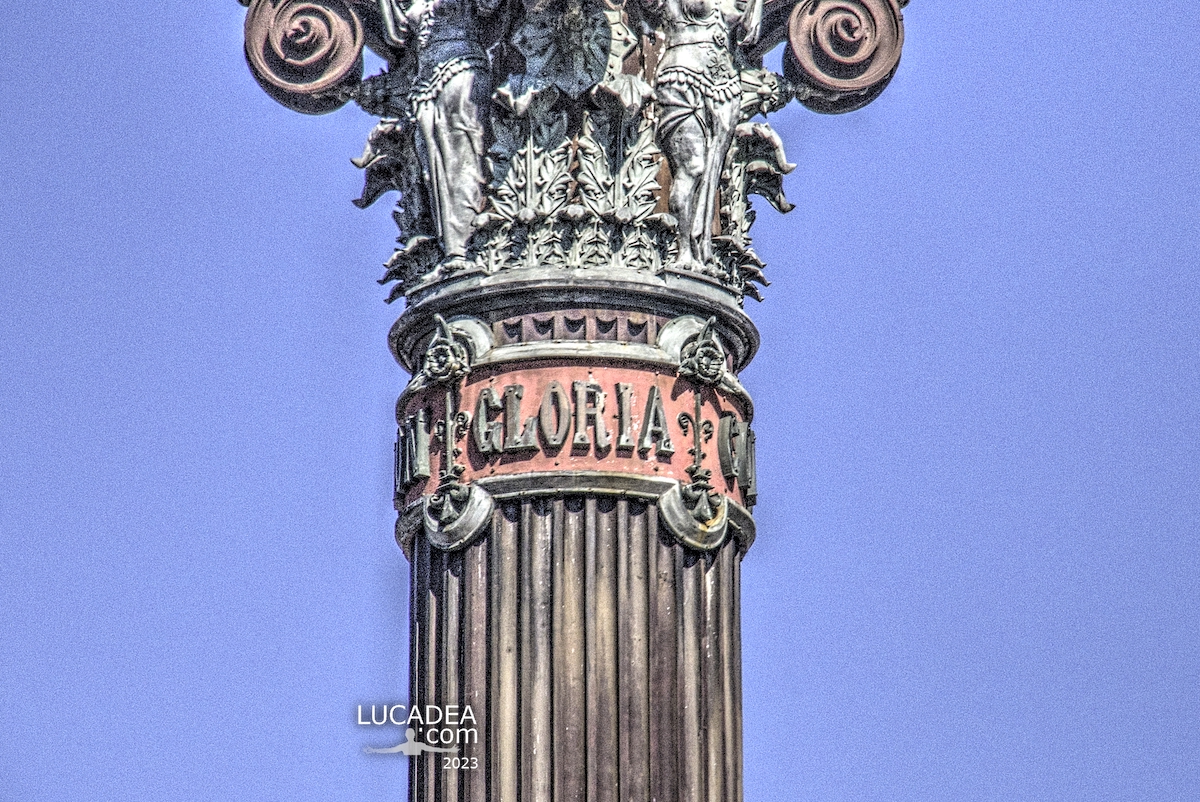
The Columbus statue is located in Barcelona, Catalonia, Spain, and was created by sculptor Rafael Atché at the end of the 19th century. The monument was inaugurated in 1888 during the Barcelona Universal Exposition and shows Columbus standing on top of a tall column, with his arm extended toward the sea.
One of the most interesting details about the monument is the uncertainty surrounding the direction of Columbus’s finger. Although many visitors assume he is pointing directly toward America, the exact meaning of the gesture has often been debated. The position is generally considered symbolic rather than a precise geographical indication.
When I photograph famous monuments, I like to look beyond their reputation and focus on the details that make each place unique. The surrounding environment often tells another story: people walking by, the architecture of the city, and the way a historical symbol continues to exist within modern life.
On the blog, I have also shared other stories from European cities because travel photography is often about discovering the relationship between places, memories, and the small details that remain after a visit.

This image reminds me that some landmarks become unforgettable not only because of their size, but because of the stories and questions they create. Have you ever visited a famous monument and discovered a detail you had never noticed before? Add a comment or go to the bottom of the site to read what other visitors have written.

Photos taken with Canon EOS RP and Tamron 16-300 lens.

To see all the photos I took in Barcelona, ​​click here:
foto gallery

Here’s where the monument is located:

The Christopher Columbus Monument (Monument a Colom in Catalan) is a statue in honor of Christopher Columbus (Cristòfor Colom in Catalan) located at the end of La Rambla in front of the port of Barcelona. The 60-meter-high monument is among the most famous in the city and in Spain as a whole. It was built on the initiative of the merchant Antoni Fages I Ferrer in honor of the great Genoese navigator, to commemorate Columbus’s return from the New World to visit Isabella of Castile and Ferdinand II of Aragon. It is located in the Portal de la Pau (Portal of Peace) square, the junction between the lower end of Las Ramblas and the Passeig de Colom (Columbus Promenade) in front of the port.
Continue and learn more at Wikipedia

La statua di Colombo sulla Rambla di Barcellona – The Columbus statue on Barcelona’s Rambla – La statue de Colomb sur la Rambla de Barcelone – La estatua de Colón en la Rambla de Barcelona – A estátua de Colombo na Rambla de Barcelona – Die Kolumbus-Statue auf der Rambla von Barcelona – Tượng Columbus trên phố Rambla Barcelona – 巴塞罗那兰布拉大道上的哥伦布雕像 – バルセロナのランブラス通りのコロンブス像

The text of this post was written with the help of ChatGPT, a language model from OpenAI.

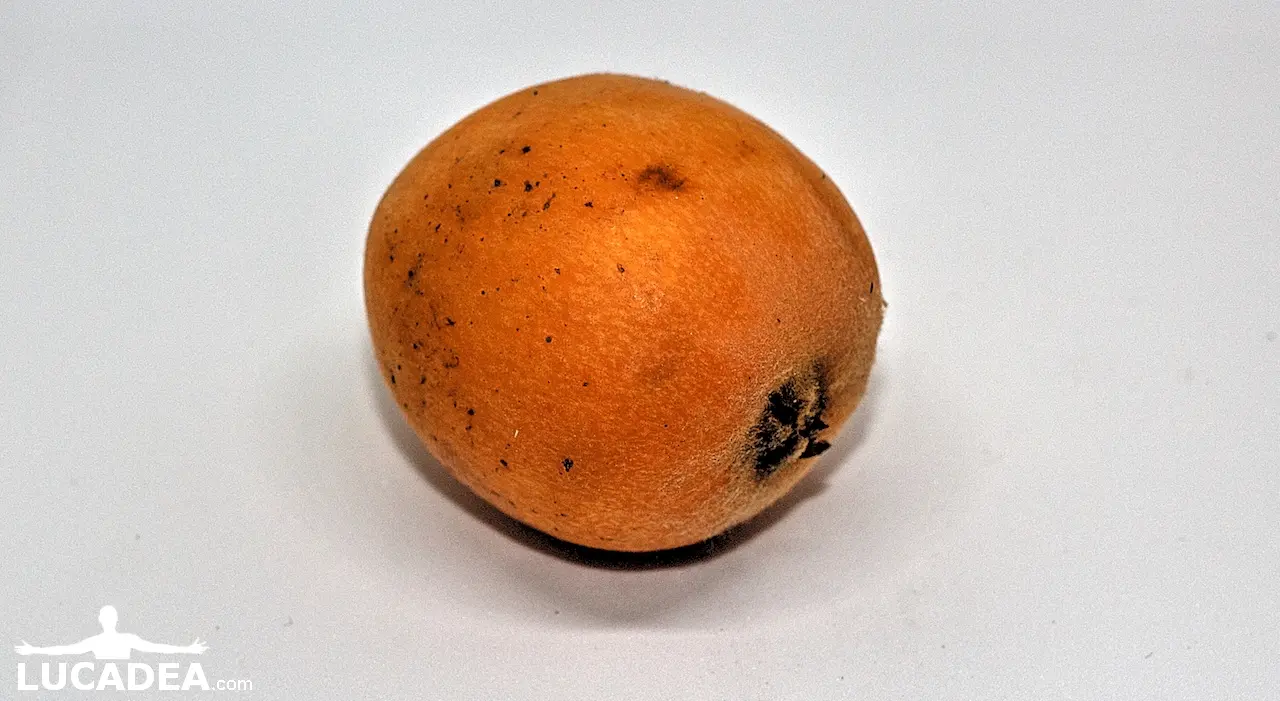
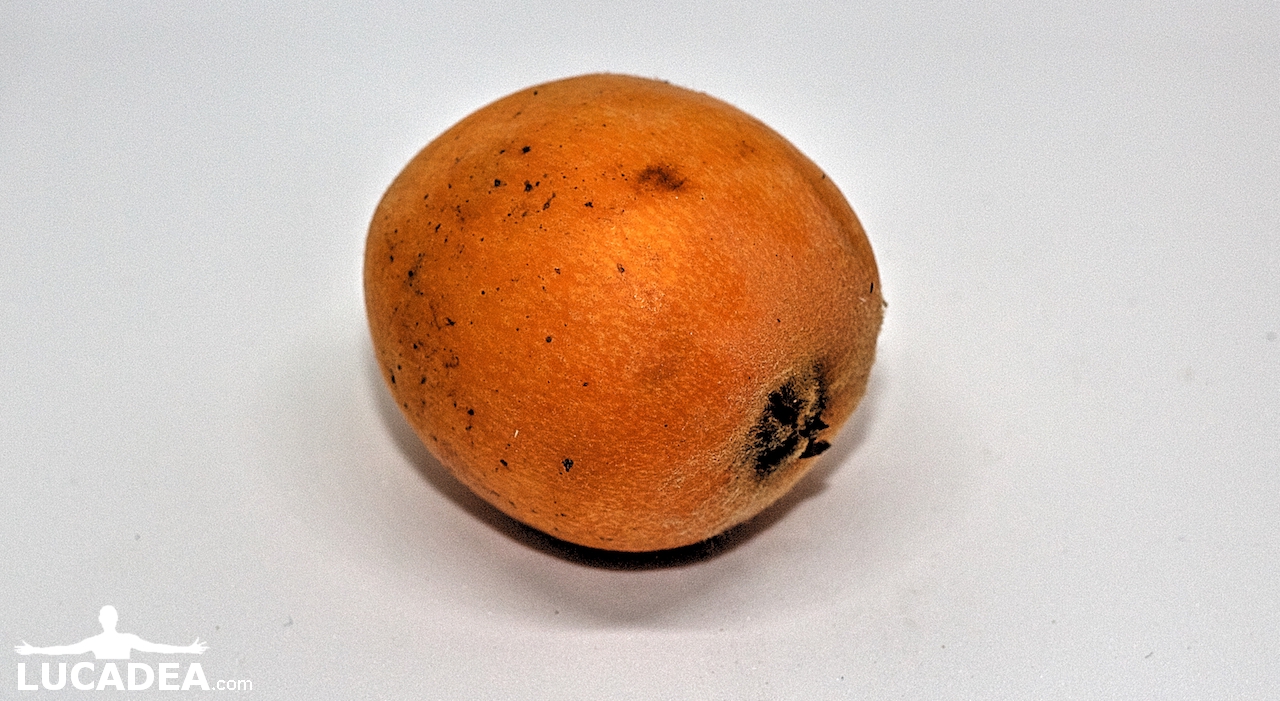
An orange loquat, a small seasonal fruit

Singola nespola arancione fotografata come piccolo frutto di stagione della natura italiana

An orange loquat, a small seasonal fruit.
Sometimes a single element is enough to capture attention and become the subject of a photograph. This orange loquat, with its simple shape and warm color, represents one of those small details of nature that are often overlooked but deserve a closer look.
A photograph does not always need a large landscape or a special scene to tell a story. A ripe fruit can represent a season, recall a specific moment and bring back memories connected to everyday life. The loquat, with its bright orange tone and slightly velvety surface, is a simple subject but full of interesting characteristics.
The image shows a single loquat, a small orange fruit traditionally associated with spring and often found growing in gardens and countryside areas in Italy. I enjoy photographing these details because they are part of a more intimate way of telling the story of a place, made of common elements that are still beautiful.
The loquat is a fruit that grows especially well in mild and Mediterranean climates. If you are interested in discovering natural details and seasonal products, even a local fruit can become a way to understand a landscape and its traditions.
One interesting fact is that there are several varieties of loquat and that traditionally the fruit was often allowed to soften after harvesting in order to develop a sweeter taste and a smoother texture.
This image was created from the desire to preserve something simple. Like other posts on my photoblog dedicated to natural details and everyday objects, this photograph is not about a famous location but about a small subject that caught my eye.
Looking at a fruit through a camera lens allows us to notice details we usually ignore: its shape, colors, small imperfections and the features that make every natural element unique.
A single loquat may seem like an ordinary subject, but often the simplest things are the ones that best express the connection between photography and reality.

What small detail from nature have you ever noticed and photographed almost by chance? Add a comment or go to the bottom of the site to read what other visitors have written.

Singola nespola arancione fotografata come piccolo frutto di stagione della natura italiana

Photo taken with Canon 600D and Canon EF 40.

An orange loquat, a small seasonal fruit – Une nèfle orange, un petit fruit de saison – Un níspero naranja, un pequeño fruto de temporada – Uma nêspera laranja, uma pequena fruta da estação – Eine orange Mispel, eine kleine saisonale Frucht – Một quả hồng xiêm màu cam, loại trái cây theo mùa nhỏ – 一个橙色枇杷,小小的季节水果 – オレンジ色のビワ、小さな旬の果物

The text of this post was written with the help of ChatGPT, a language model from OpenAI.

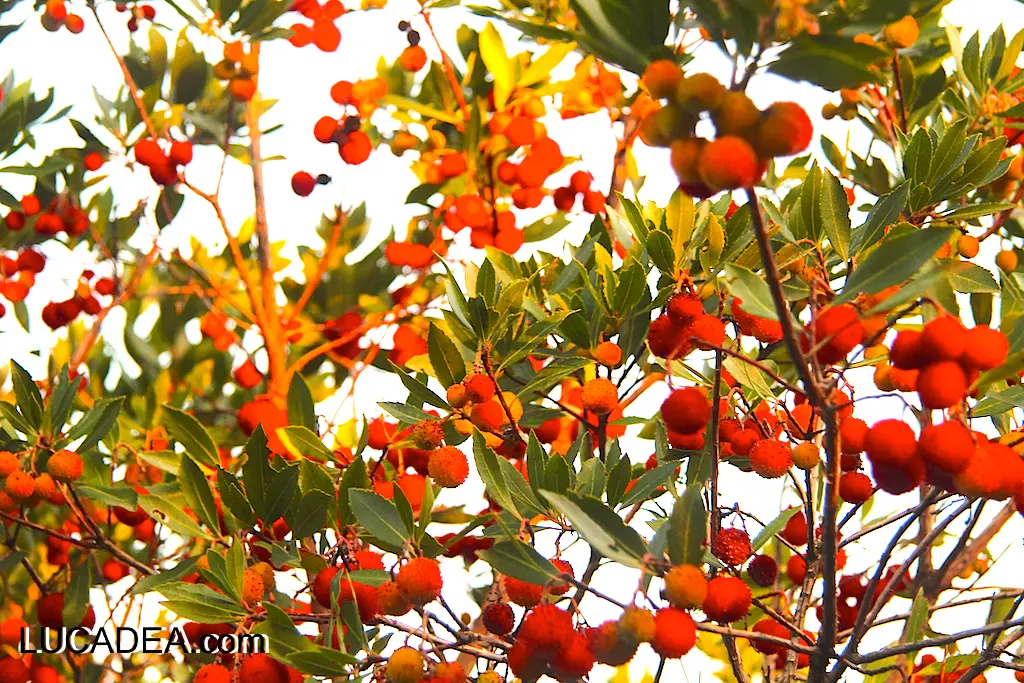
Strawberry trees in the autumn Mediterranean scrub

Corbezzoli maturi sulla pianta nella macchia mediterranea italiana durante l’autunno

Strawberry trees in the autumn Mediterranean scrub.
Some encounters in nature deserve to be captured, especially when a small detail manages to surprise you even in a landscape you already know well. This strawberry tree full of ripe fruits among the Mediterranean scrub was exactly one of those moments that I could not leave without taking a photograph.
I had already shared an image of these beautiful fruits on my website, but finding a plant so full of strawberry tree fruits was a special opportunity. In autumn, the Mediterranean vegetation changes its appearance and reveals different colors and details, with small red fruits standing out among the green leaves.
The strawberry tree is a typical plant of the Mediterranean landscape and represents the close relationship between the territory and its spontaneous vegetation. Its fruits, which ripen during autumn, have a very distinctive appearance, with their bright red color and textured surface.
The photograph was taken in the Mediterranean scrub in Italy, during a walk looking for those natural details that are often hidden away from the most famous places. If you are visiting Mediterranean areas and wondering what to observe in nature, even a simple plant can become an interesting subject when it shows its unique character.
One interesting fact is that the strawberry tree can have flowers and ripe fruits on the same plant at the same time, creating a particular contrast between white blossoms and red berries.
I enjoy photographing these elements because they tell the story of a territory without needing spectacular landscapes. A bush, a fruit or a single plant can represent an entire environment and remind us how rich the natural world around us is.
Like other posts on my photoblog dedicated to less obvious natural corners, this image comes from the curiosity of noticing things that we often walk past without paying attention. The Mediterranean scrub is full of small seasonal changes that deserve to be discovered and shared.
This strawberry tree was simply there, in its natural environment, but it had such a strong presence that it immediately attracted my attention. Sometimes photography begins exactly with these unexpected encounters.

Have you ever found something simple in nature that was so special you had to photograph it? Add a comment or go to the bottom of the site to read what other visitors have written.

Corbezzoli maturi sulla pianta nella macchia mediterranea italiana durante l’autunno

Strawberry trees in the autumn Mediterranean scrub – Arbousiers dans le maquis méditerranéen d’automne – Madroños en el matorral mediterráneo de otoño – Medronheiros no mato mediterrâneo de outono – Erdbeerbäume in der mediterranen Macchia im Herbst – Cây dâu đất trong vùng cây bụi Địa Trung Hải mùa thu – 秋季地中海灌木丛中的草莓树果实 – 秋の地中海の低木地帯にあるイチゴノキ

The text of the post was written with the help of ChatGPT, a language model from OpenAI.

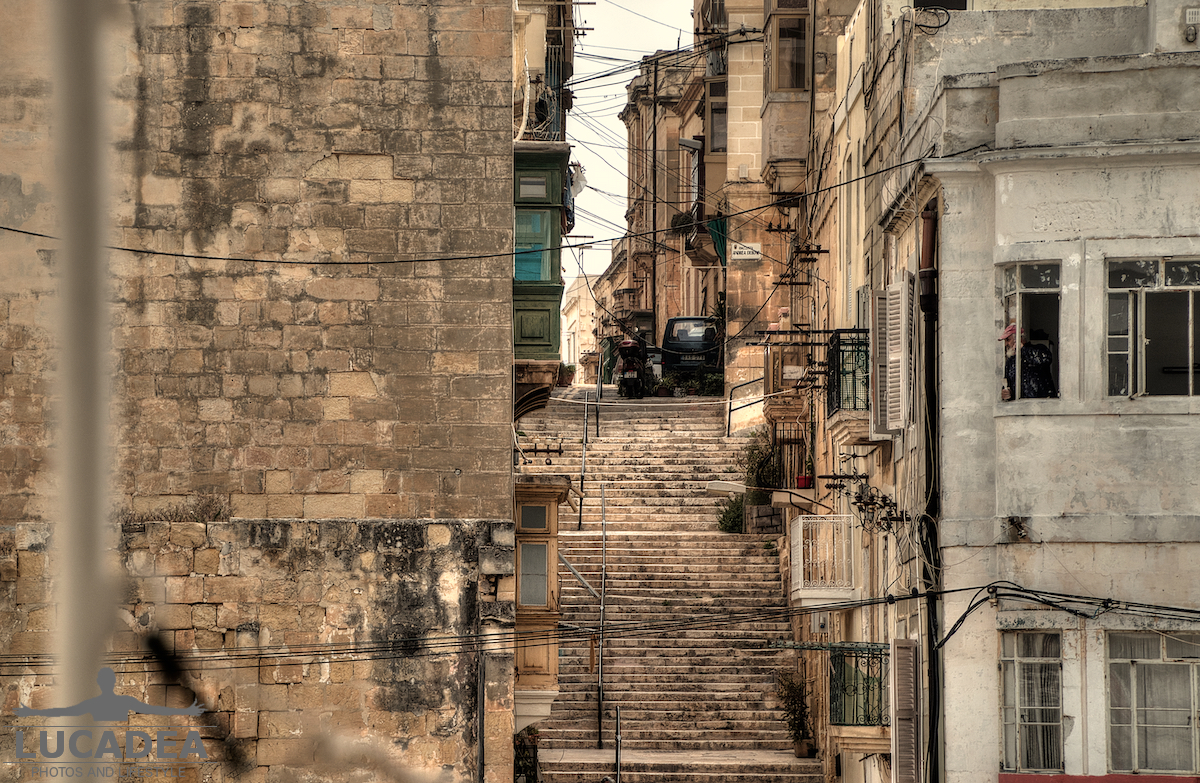
Malta streets among stone and Mediterranean colors

Stradina di Malta con gradini e palazzi in pietra calcarea dai colori mediterranei vista dalla nave

Malta streets among stone and Mediterranean colors.
Looking at this image, I immediately remember that particular feeling of seeing a place that is still unknown but already able to tell a story through its details. These Malta streets, with their steep steps and buildings made from the island’s traditional stone, show one of the most recognizable features of the country.
The photograph was taken from the ship because, at the moment, I have not yet had the chance to go ashore in this Maltese port. Even without walking through these streets, the view is enough to capture some fascinating elements: the stairways, the old facades and above all the warm shades of the local stone that give the city its unique character.
Malta streets are known for this combination of architecture and urban landscape. Narrow roads, often climbing uphill or connected by long staircases, reflect the way the island’s towns developed over time. The limestone used in many buildings is one of the details that immediately creates the typical Maltese atmosphere.
The photograph was taken in Malta during a port stop, while observing a part of the city that I still do not know personally. If you are visiting Malta and wondering what places are worth seeing, these quieter corners made of small streets and architectural details often create the strongest curiosity.
One interesting fact about Maltese architecture is that local limestone, easily available on the island, has been used for centuries to build homes, churches and fortifications, becoming one of the most recognizable visual symbols of Malta.
I enjoy photographing these moments because they leave room for imagination. A street seen from a distance can make you wonder where it leads, what stories it hides and what details you would discover by walking through it.
In other posts on my photoblog, I have also shared places observed during travels without necessarily exploring them on foot, because sometimes a photograph begins with the desire to know more about something that has only just appeared in front of you.
For me, this image represents an invitation to return. One day I would like to walk through these streets, climb those steps and see closely the colors of the stone that today I can only observe from the ship.

Have you ever photographed a place that you had not really had the chance to visit yet? Add a comment or go to the bottom of the site to read what other visitors have written.

Stradina di Malta con gradini e palazzi in pietra calcarea dai colori mediterranei vista dalla nave

Photo taken with Canon EOS M100 camera and Tamron 16-300 lens.

Valletta (in Maltese Il-Belt Valletta, in English Valletta) is a city of 6,444 inhabitants in the island nation of Malta, as well as its capital.
It was founded in 1566 by the Knights Hospitaller, who named it after their Grand Master, Jean de la Valette. It was specifically called, in Latin, Humilissima Civitas Valettae (“The Most Humble City of Valletta”) and still boasts the title Città Umilissima (Most Humble City). In Maltese, it is colloquially called Il-Belt and The City.
Continue and learn more at Wikipedia

The streets of Malta between stone and Mediterranean colors – Les ruelles de Malte entre pierre et couleurs méditerranéennes – Las calles de Malta entre piedra y colores mediterráneos – As ruas de Malta entre pedra e cores mediterrâneas – Die Gassen Maltas zwischen Stein und mediterranen Farben – Những con đường Malta giữa đá và màu sắc Địa Trung Hải – 马耳他石墙与地中海色彩的街道 – 石と地中海の色彩に囲まれたマルタの路地

The text of this post was written with the help of ChatGPT, a language model from OpenAI.

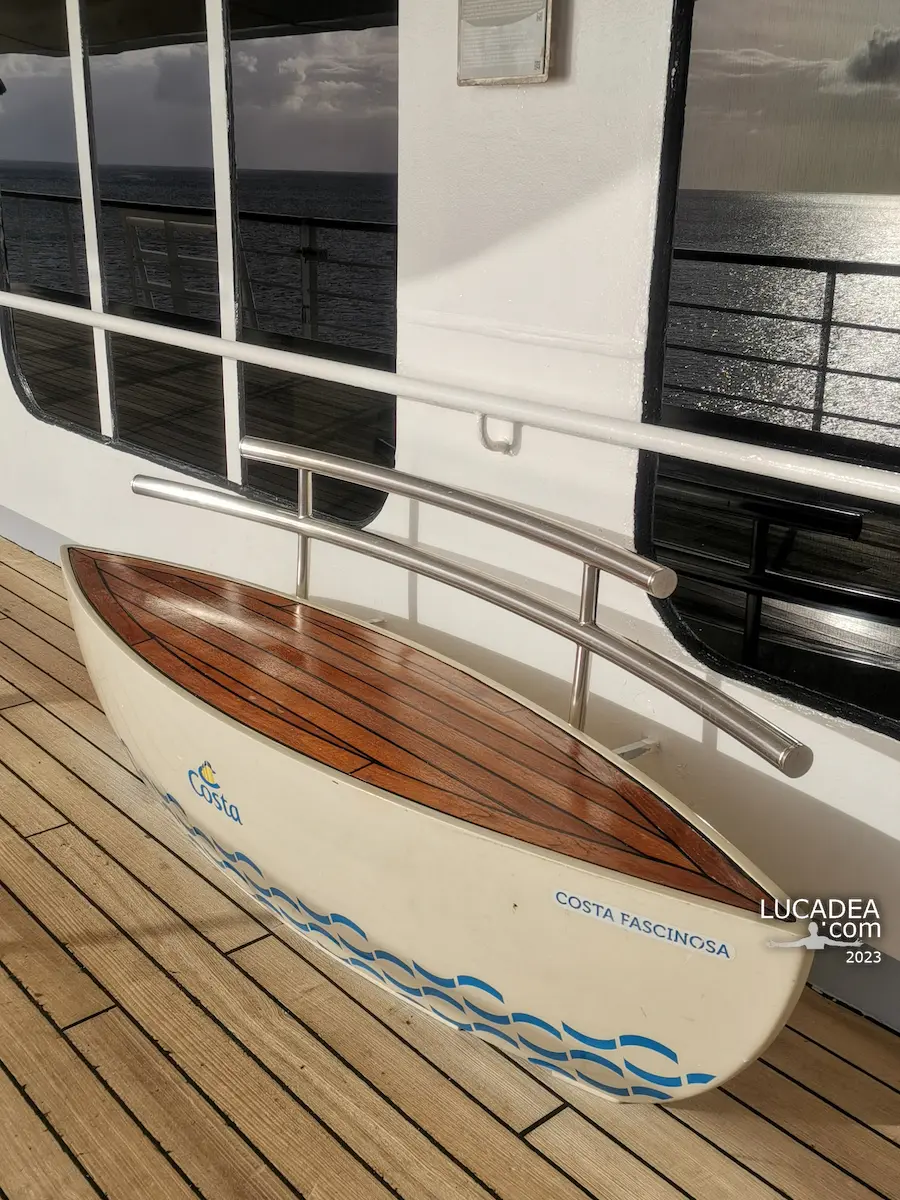
Boat-shaped benches on Costa Fascinosa

Le panchine a forma di barca della Costa Fascinosa

Boat-shaped benches on Costa Fascinosa.
Last year I was on board Costa Fascinosa and I photographed some of the details that are part of everyday life on the ship, including these modern-looking benches located on the outdoor deck 3. They are small design elements that can easily go unnoticed, but they still tell something about the style and atmosphere of the vessel.
The boat-shaped benches on Costa Fascinosa caught my attention because of their unusual design. Their shape immediately recalls the maritime world, creating a visual connection between the furniture and the environment where it is placed. They are not just places to sit, but details created to become part of the ship’s identity.
I enjoy photographing the details of the ships where I work because every image becomes a personal memory of a period spent on board. Often, the simplest objects, the ones we see during an ordinary day, are the ones that keep the strongest memories over time.
Costa Fascinosa, sailing through the Mediterranean and other destinations, offers many outdoor areas designed for relaxing and observing the sea. On the external deck, these elements contribute to creating a recognizable atmosphere, where shapes and design become part of the experience.
This image reminded me of other posts I shared on the site about ship interiors and onboard details, because small features often tell a more personal story than the most obvious views.
A small curiosity is that the name Costa Fascinosa follows the company’s tradition of choosing names inspired by charm, creativity, and artistic references, reflecting the idea of elegance and imagination.
Looking at this photograph, I think about how even a simple piece of furniture can become a small fragment of memory connected to a place and a moment in life.

Have you ever taken a Costa cruise? Add a comment or go to the bottom of the site to read what other visitors have written.

Photos taken with Honor 20.

Boat-shaped benches on Costa Fascinosa – Bancs en forme de bateau sur Costa Fascinosa – Bancos con forma de barco en Costa Fascinosa – Bancos em forma de barco no Costa Fascinosa – Bootsähnliche Bänke auf Costa Fascinosa – Ghế hình thuyền trên Costa Fascinosa – 歌诗达迷人号上的船形长椅 – コスタ・ファシノーザのボート型ベンチ

The text of this post was written with the help of ChatGPT, a language model from OpenAI.

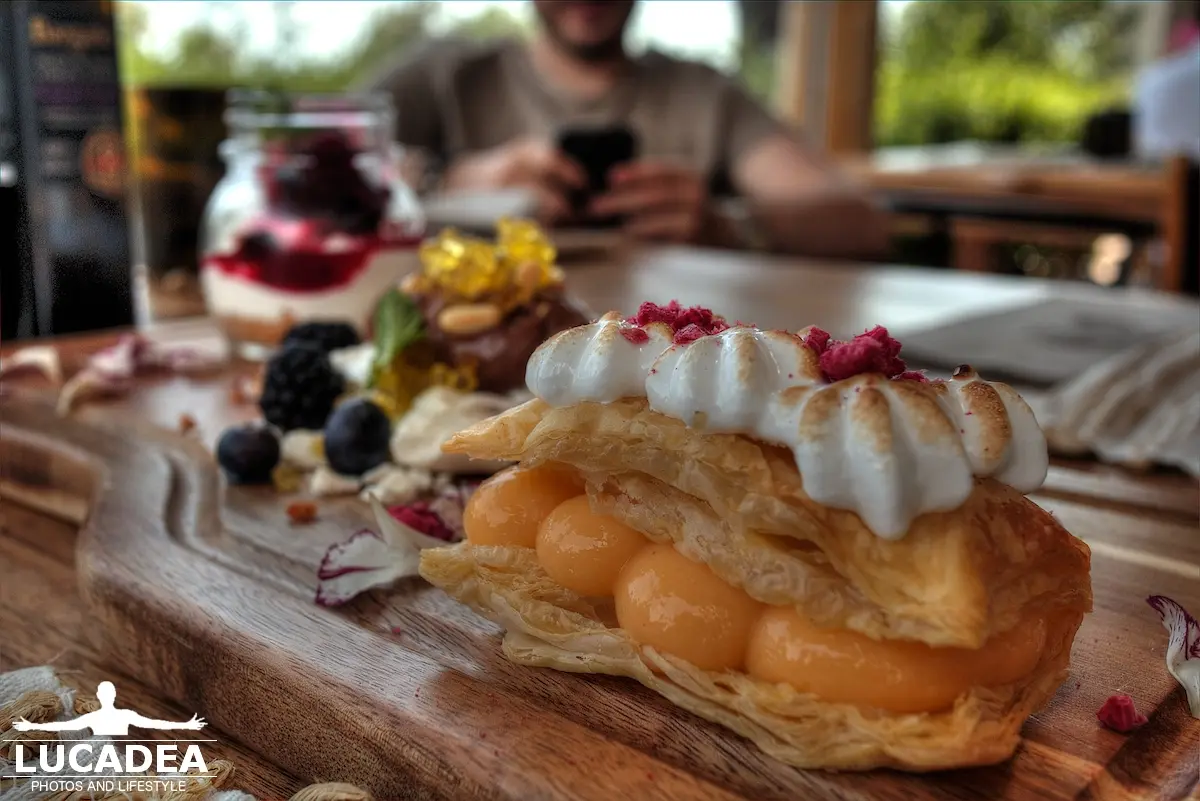
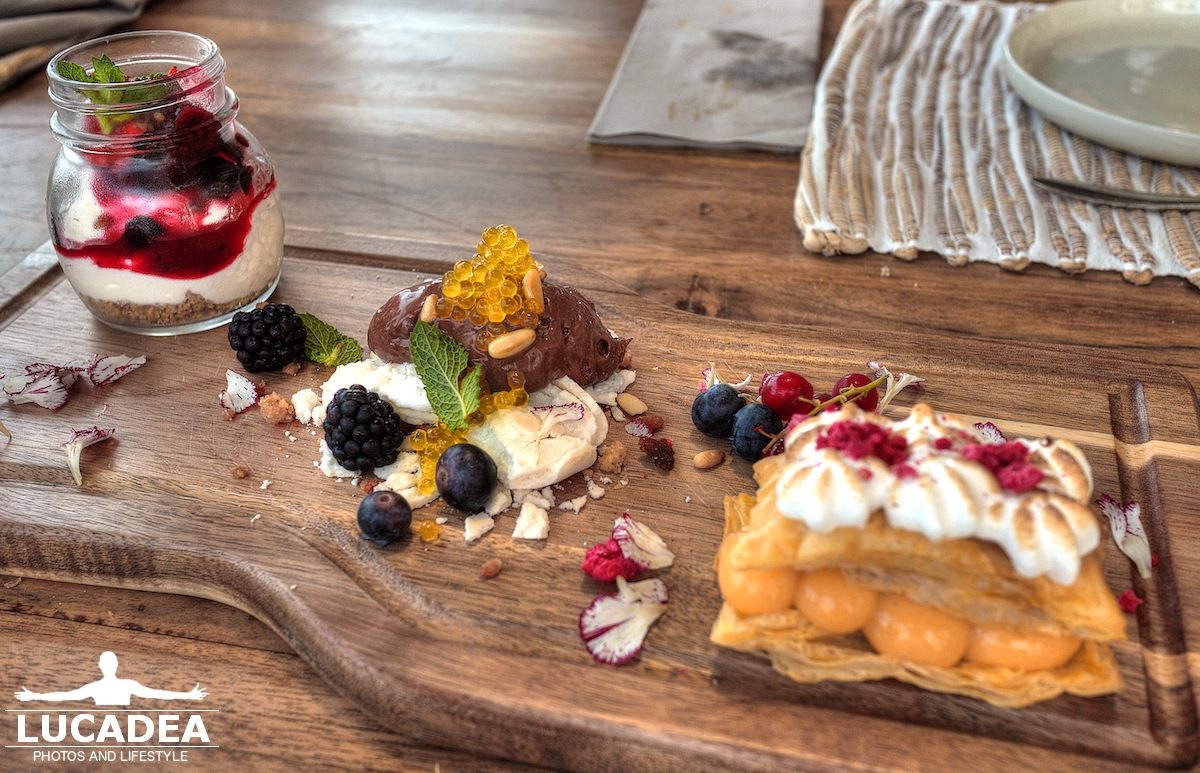
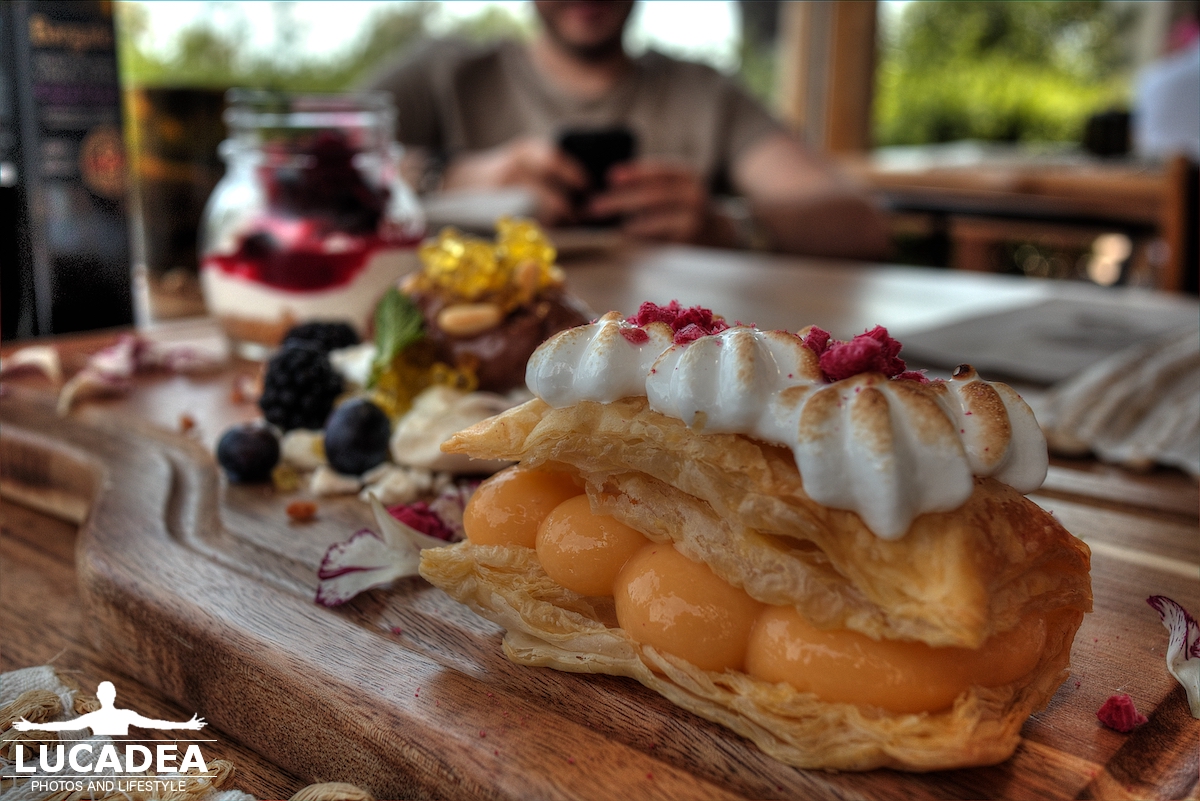
Sweet desserts in Ibiza at Casa Maca tra sapori e ricordi

Sweet desserts in Ibiza at Casa Maca tra sapori e ricordi.
Looking back at these sweet desserts in Ibiza at Casa Maca, I find myself trying to reconstruct that moment only through images, as if the photograph is the only remaining trace of a quiet afternoon in Ibiza Town, Ibiza, Balearic Islands, Spain. These sweet desserts in Ibiza at Casa Maca feel less like a simple memory and more like a fragment of a longer travel story that still lingers in my mind.
I remember sitting there, watching the plates arrive without really needing names or descriptions, just observing shapes, textures, and the calm rhythm of service in the resort atmosphere. The sweet desserts in Ibiza at Casa Maca were part of a larger experience I once shared in another post on my photoblog, where I focused more on the savory side of the kitchen, but here everything narrows down to the final act of the meal.
Even without recalling the exact ingredients, I can still feel how the desserts closed the experience with a sense of balance rather than excess. Casa Maca itself, set inside a restored traditional finca, often appears in searches like “best restaurants in Ibiza countryside” or “where to eat in Ibiza with a view,” and it fully deserves that attention because of how it blends landscape and food.
There is something interesting about how Casa Maca preserves its rural identity while still being part of a modern Ibiza dining scene. That contrast makes even simple moments, like tasting desserts, feel more layered. It is one of those places worth seeing in Ibiza if you are visiting the island and want more than just beachside dining.

Sometimes I wonder if the memory of taste survives longer than the taste itself, or if it is the image that keeps everything alive in a different way. Have you ever remembered a dessert only through a photograph? Add a comment or go to the bottom of the site to read what other visitors have written.

Dessert dolcissimi in quel di Ibiza

Dessert in quel di Ibiza

Photos taken with Canon EOS M100 camera and Canon EF-M 11-22 lens.

Sweet is one of the five basic tastes, almost universally considered a pleasant sensation. Foods rich in simple carbohydrates, such as sugars, are normally associated with sweetness. There are also some molecules of natural or human-invented origin that are perceived as sweet at much lower concentrations and can be used as low-calorie sweeteners. Finally, some substances, while not directly activating sweet receptors, can alter the perception of sweetness.
Continue and learn more at Wikipedia

Sweet desserts in Ibiza at Casa Maca between flavors and memories – Desserts in Ibiza at Casa Maca between flavors and memories – Desserts à Ibiza à Casa Maca entre saveurs et souvenirs – Postres en Ibiza en Casa Maca entre sabores y recuerdos – Süße Desserts auf Ibiza im Casa Maca zwischen Geschmack und Erinnerung – Món tráng miệng ở Ibiza tại Casa Maca giữa hương vị và ký ức – 伊比萨Casa Maca的甜点在味道与回忆之间 – イビサのカーサ・マカで味と記憶の間のデザート

The text of this post was written with the help of ChatGPT, a language model from OpenAI.

View of Scalo Chiappa in Pieve Ligure

La vista su Scalo Chiappa a Pieve Ligure

View of Scalo Chiappa in Pieve Ligure.
The coast of Pieve Ligure and Scalo Chiappa reveal a quiet side of the Ligurian Riviera, where rocky shores, old sea accesses and the Mediterranean landscape come together in a simple but memorable view. This photo of the Ligurian coast was taken during one of my frequent rides along the Aurelia road, a route that often offered unexpected opportunities to stop and observe the villages overlooking the sea.
Last year I used to travel this road a couple of times a week, moving by scooter and taking the chance to stop whenever a particular view caught my attention. From Largo Pagnini I looked towards Scalo Chiappa and the coastline of Pieve Ligure, searching for a way to capture not only the landscape but also the everyday relationship between the village and the sea.
I took this photograph with my own camera because I like discovering places that may not be the most famous viewpoints but still have a strong character. The coast of Pieve Ligure is made of small details: stone paths leading down to the water, cliffs shaped by the waves and quiet corners where local life continues close to the sea.
Pieve Ligure is located in the metropolitan city of Genoa, Liguria, Italy, along the Gulf of Paradise between Genoa and Bogliasco. This part of the Italian Riviera is interesting for those looking for places to see in Liguria because it offers a more intimate experience of the coastline, away from the larger tourist centres. The sea steps, known locally as scali a mare, are among the elements that best represent the connection between the villages and the maritime traditions of the region.
A small historical curiosity is that these coastal spaces were originally linked to fishing activities and to the practical needs of moving boats between land and water. Today some of these areas also host cultural events, showing how old spaces can continue to have an active role in the community.
If you are visiting Liguria, a stop in Pieve Ligure is a place worth seeing for those who enjoy coastal landscapes and authentic views. From roads such as the Aurelia, even a short pause can reveal beautiful perspectives like the one captured in this image.
The search for these small coastal moments is something I have also explored in other photographs of Ligurian villages and seaside paths on Lucadea.com. Each image becomes a way to remember a journey and the details that made that place unique.
Looking again at this photograph, I still appreciate the simplicity of the scene: the coast, the sea and the quiet atmosphere of a place observed from the roadside. It reminds me that some of the best views are often found during ordinary journeys, when there is time to stop and look around.

Have you ever travelled along the Aurelia road and discovered a hidden view of Pieve Ligure’s coastline? Add a comment or go to the bottom of the site to read what other visitors have written.

View of Pieve Ligure coast with Scalo Chiappa, rocky shoreline and Mediterranean sea in Liguria

View of Pieve Ligure coast with Scalo Chiappa, rocky shoreline and Mediterranean sea in Liguria

View of Pieve Ligure coast with Scalo Chiappa, rocky shoreline and Mediterranean sea in Liguria

View of Pieve Ligure coast with Scalo Chiappa, rocky shoreline and Mediterranean sea in Liguria

Photos taken with Canon EOS RP and lens Tamron 16-300.

Where is this point located:

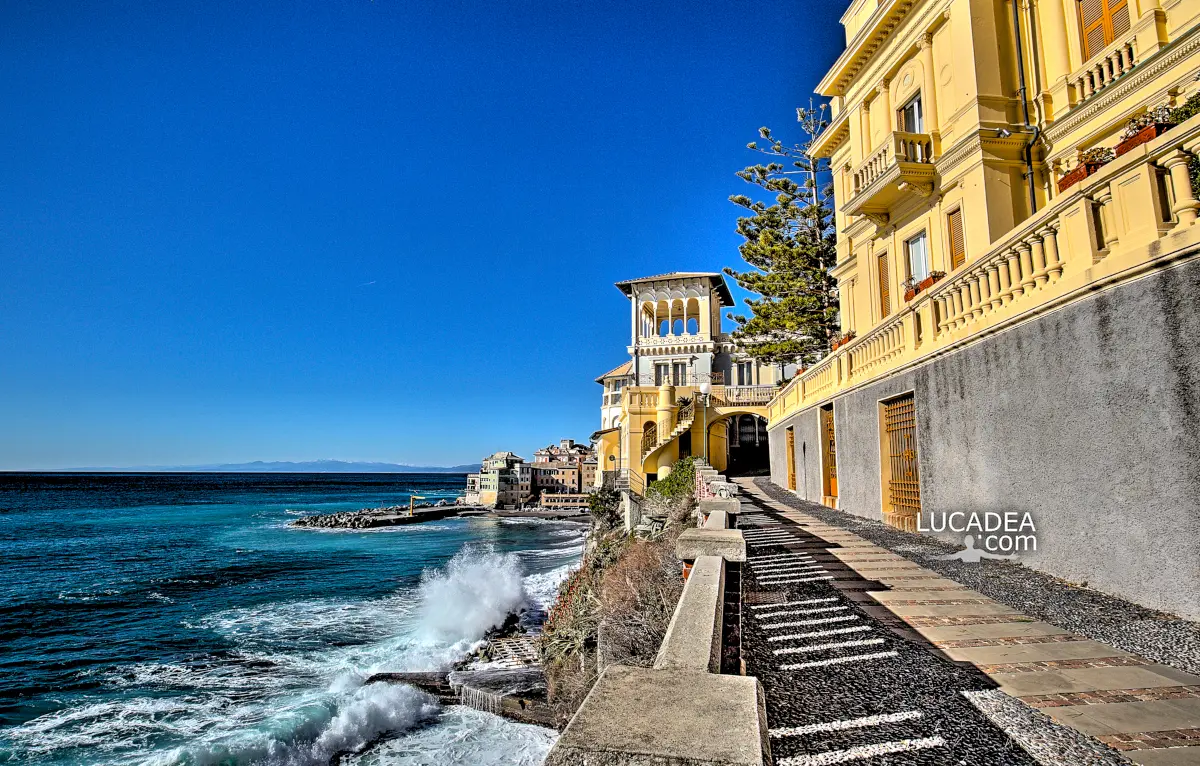
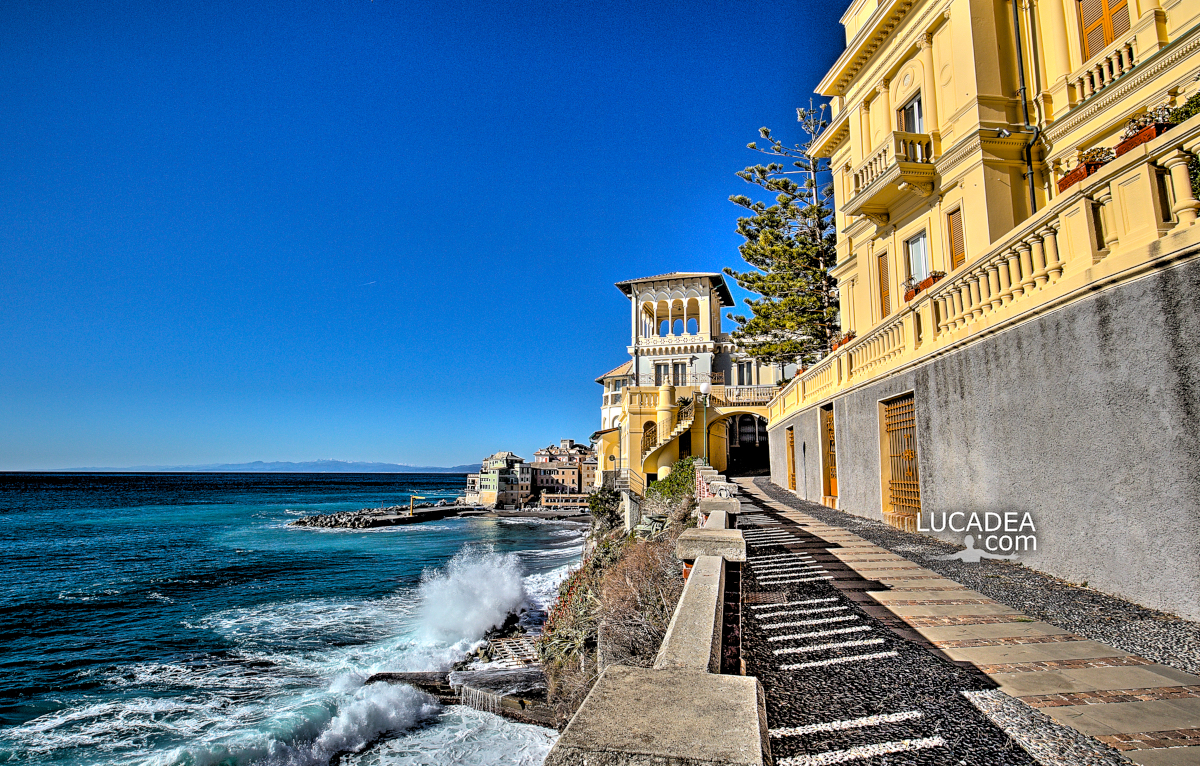
The beautiful seaside villas in Bogliasco, Liguria

Le belle ville sul mare a Bogliasco in Liguria

The beautiful seaside villas in Bogliasco, Liguria.
The charming fishing village of Bogliasco offers wonderful views to photograph.
Like this lovely yellow villa (which almost looks like a castle) with the sea in front and the small harbor in the background.

Do you know or have you ever been to Bogliasco? Do you happen to know the name of this beautiful seaside villa? Add a comment or go to the bottom of the site to read what other visitors have written.

Le belle ville sul mare a Bogliasco in Liguria

Photo taken with Canon EOS M100 and Canon EF-M 11-22 lens.

To see all the photos I took in the village, click here:
foto gallery

And here are some videos I made:


Videos recorded with Gopro Hero 10 Black.

Here’s where I took the shot:

It is the first municipality you encounter when travelling from Genoa towards the Riviera di Levante, in a small inlet at the mouth of the stream of the same name. Among the area’s peaks are Mount Cordona (803 m), along the ancient path to the hamlet of Sessarego, and Mount Rotondo (789 m). Beaches alternate with deep, characteristic cliffs. Surfing is possible here. The hinterland is typical of eastern Liguria, partly covered in olive groves, offering hiking opportunities.
Continue and learn more at Wikipedia

The beautiful seaside villas in Bogliasco in Liguria – Les belles villas balnéaires de Bogliasco en Ligurie – Las hermosas villas junto al mar en Bogliasco en Liguria – As belas vilas à beira-mar em Bogliasco na Ligúria – Die wunderschönen Villen am Meer in Bogliasco in Ligurien – Những biệt thự tuyệt đẹp bên bờ biển ở Bogliasco ở Liguria – 利古里亚博利亚斯科美丽的海滨别墅 – リグリアのボリアスコにある美しい海辺の別荘
🏠
  • Italiano