Tomato fritters in Santorini Greece

Frittelle di pomodoro a Santorini in Grecia servite su piatto tipico con colore dorato e aspetto rustico

Tomato fritters in Santorini Greece.
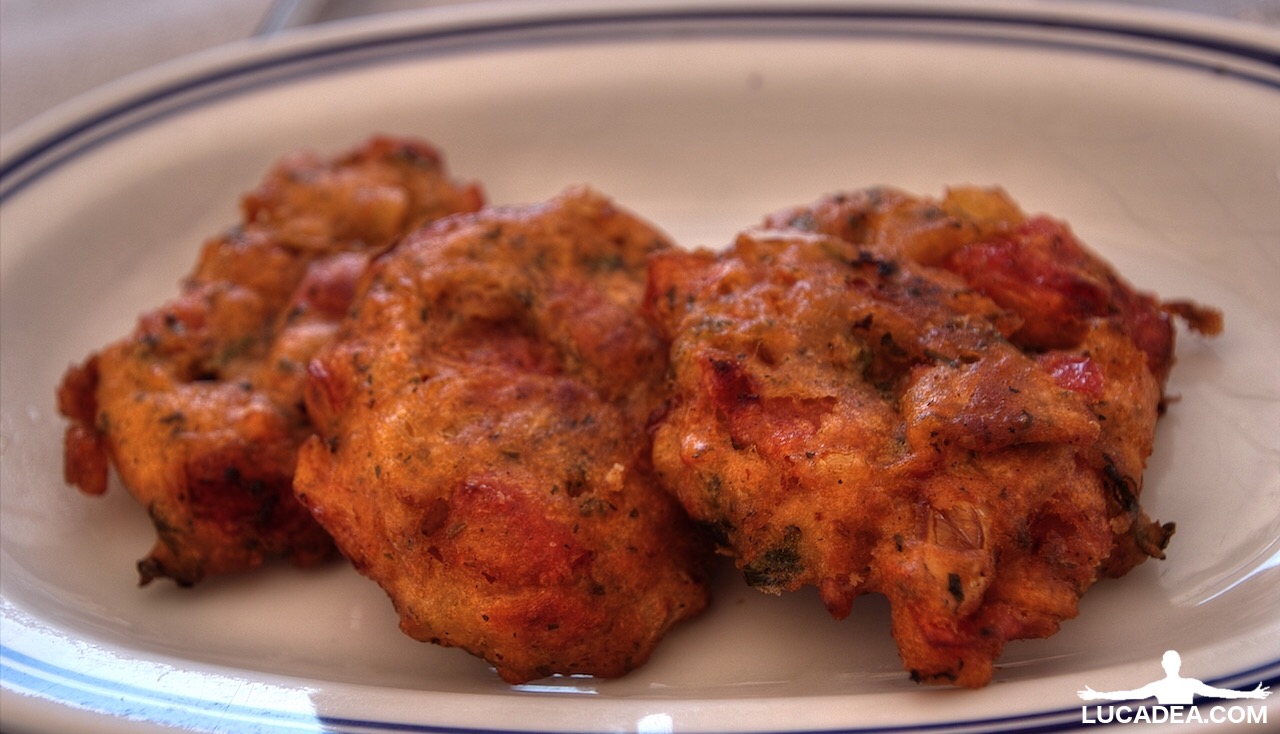
The tomato fritters in Santorini Greece caught my attention as soon as they arrived at the table, with their warm color and irregular homemade shape that immediately reflects the simplicity of Greek island cooking. Thinking about tomato fritters in Santorini Greece brings me back to the atmosphere of the Aegean islands, where food is often straightforward and deeply connected to local ingredients.
I was on the island of Santorini in Greece, a place where traditional cuisine is closely tied to seasonal produce and simple recipes passed down through generations. In this context, tomato fritters in Santorini Greece are one of those dishes you easily find in local tavernas, often served as part of a larger selection of small plates.
The taste was decent but not extraordinary. It was one of those dishes you try out of curiosity more than expectation, something that stays somewhere between enjoyable and forgettable. Still, tasting local food always helps to better understand the identity of a place.
In another post on my photoblog I described seafood dishes eaten during travel, where food becomes part of the journey itself, and here again the experience is more about discovery than culinary perfection.
A small curiosity: in Greece, there are many variations of vegetable fritters, often called “keftedes”, prepared with seasonal ingredients and served as meze to be shared at the table.

Have you ever tried a local dish whose name you could not even remember afterwards? Add a comment or go to the bottom of the site to read what other visitors have written.
Frittelle di pomodoro a Santorini in Grecia servite su piatto tipico con colore dorato e aspetto rustico

Photo taken with Canon 600D and Tamron 16-300.

Tomato fritters in Santorini – Beignets de tomate à Santorin – Buñuelos de tomate en Santorini – Fritos de tomate em Santorini – Tomatenküchlein auf Santorin – Bánh cà chua chiên ở Santorini – 圣托里尼番茄炸饼 – サントリーニのトマトフリッター

The text of this post was written with the help of ChatGPT, a language model from OpenAI.

Add one  comment to this article or read  here what other visitors have written.
 
Adv
 
Disclamer

The rights on images, videos, choruses, text and all other material on the LUCADEA.com website are governed as per  Copyright page.


This page has been viewed 1 times today.
This month it has been viewed 1 times.
In total it has been viewed 1 times.
 

Lobster close-up at the fish market

Astice in primo piano in una pescheria spagnola con dettaglio del guscio e delle chele su banco del pesce fresco

Lobster close-up at the fish market.
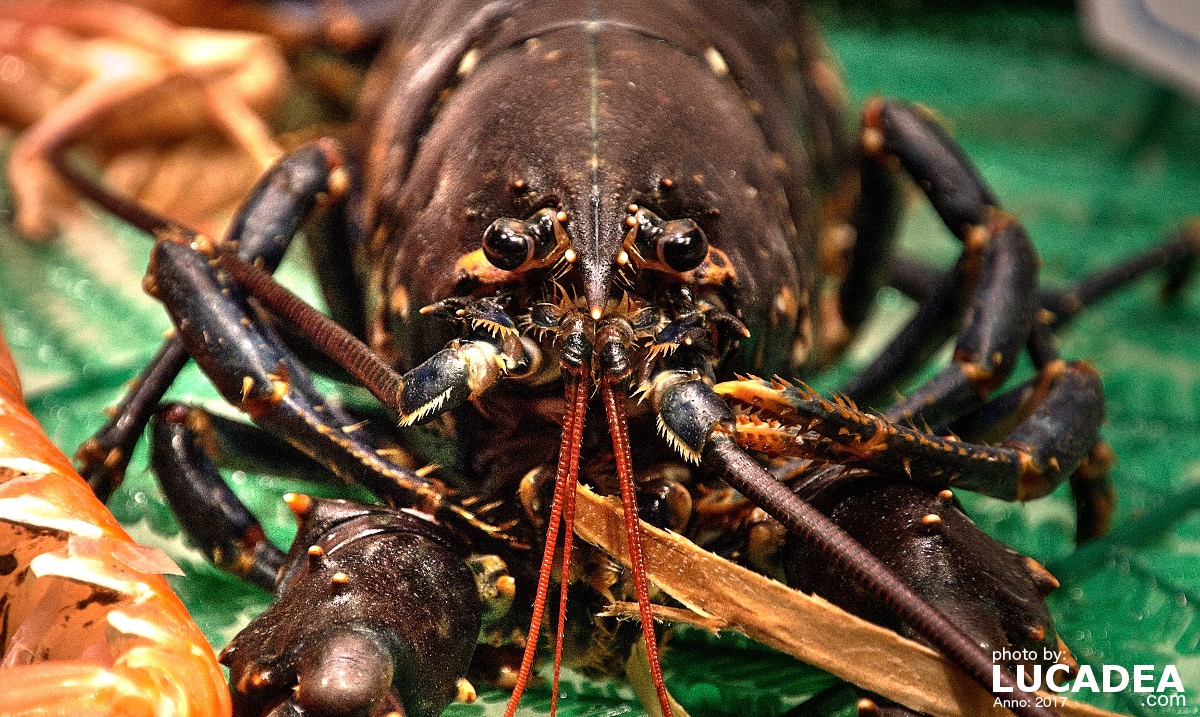
The lobster close-up at the fish market immediately draws attention because of its intense colors and strong shape, something that always reminds me of the raw presence of the sea. This lobster close-up at the fish market was photographed inside a Spanish fish shop, where the counter feels almost like a small stage made of ice, light, and movement.
Looking closely at the lobster close-up at the fish market, I notice the texture of the shell and the power of its claws, elements that tell the story of the marine environment it comes from. It is not just a photographic subject but a fragment of ocean life brought onto land.
During my travels I often stop at fish markets because they show the sea in a direct and unfiltered way. In another post on my photoblog I shared moments of seafood dishes eaten on board a ship, but here the focus shifts completely to the raw ingredient itself.
In Spain, Italy, and many Mediterranean coastal areas, fresh fish is part of everyday culture, and every market tells a different story made of seasons, fishermen, and traditions.
A small curiosity: the European lobster can grow to impressive sizes and usually hides among rocks and deep seabeds, coming out mostly at night to hunt.

Have you ever seen a fish market this alive and full of detail? Add a comment or go to the bottom of the site to read what other visitors have written.

Astice in primo piano in una pescheria spagnola con dettaglio del guscio e delle chele su banco del pesce fresco

Photo taken with a Canon 600D and Tamron 16-300 lens.

It is medium-large in size, with an average length of 20–40 cm and a maximum of 50 cm, and a weight of up to 8 kg. Its body is sub-cylindrical, covered in a shell that sheds several times as it grows to form a new one. The carapace is divided into two parts—the cephalothorax (anterior part) and the abdomen (posterior part)—with a reddish-brown to purple-brown color and is dotted with conical spines. The abdomen is made up of six movable segments and is equipped with a tiny stinger.
Continue and learn more at Wikipedia

Lobster close-up at the fish market – Homard en gros plan au marché aux poissons – Langosta en primer plano en el mercado de pescado – Lagosta em close-up no mercado de peixe – Hummer Nahaufnahme auf dem Fischmarkt – Tôm hùm cận cảnh tại chợ cá – 鱼市场龙虾特写 – 魚市場のロブスターのクローズアップ

The text of this post was written with the help of ChatGPT, a language model from OpenAI.

Add one  comment to this article or read  here what other visitors have written.
 
Adv
 
Disclamer

The rights on images, videos, choruses, text and all other material on the LUCADEA.com website are governed as per  Copyright page.

This page has been viewed 0 times today.
This month it has been viewed 0 times.
In total it has been viewed 0 times.
 

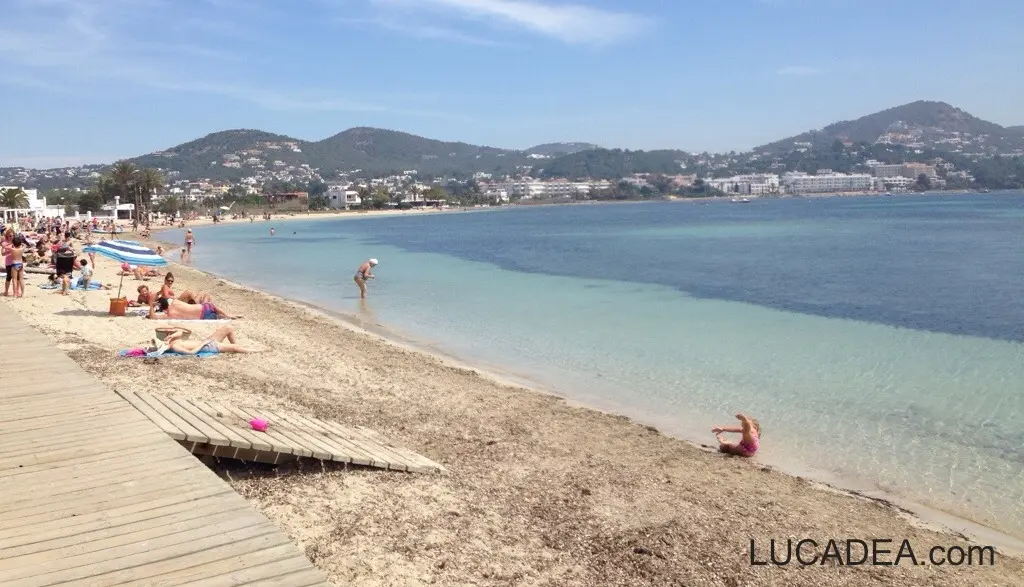
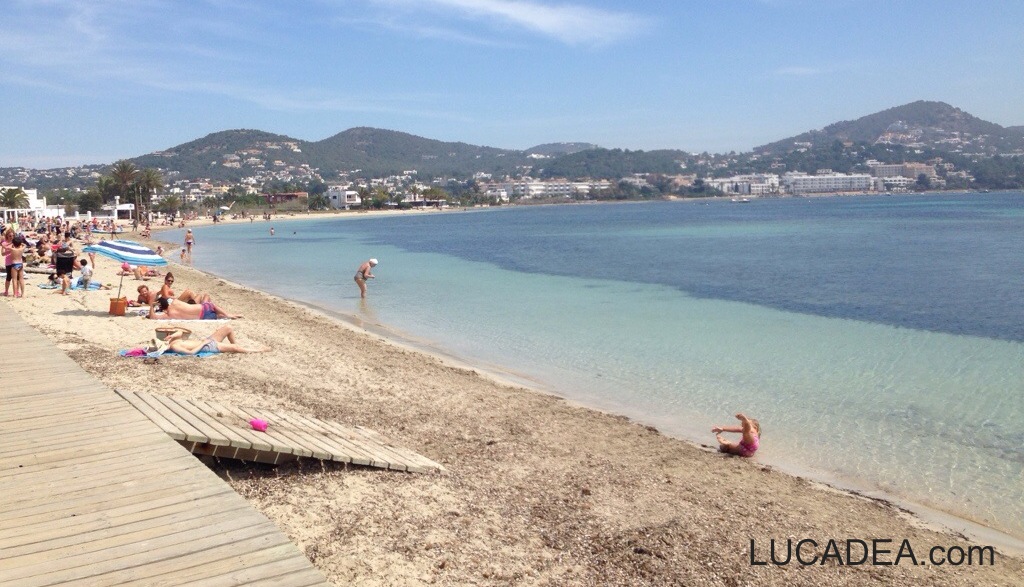
Ibiza in April with calm sea and early sun

Ibiza ad aprile con mare calmo, spiagge tranquille e persone che si rilassano al sole nelle Baleari in Spagna

Ibiza in April with calm sea and early sun.
Ibiza in April feels like a completely different island compared to the busy summer months, and this idea of Ibiza in April is exactly what makes it so fascinating to me when I travel to Ibiza in the Balearic Islands, Spain. The atmosphere is softer, quieter, and the sea remains the main character of the landscape.
Walking along the coast in Ibiza in April, I notice how the island slowly wakes up from winter. The beaches are not yet crowded, and people start to use their lunch breaks just to sit under the sun for a while, enjoying the first warm light of the season. This version of Ibiza in April is far from the party image many people have in mind.
There is a sense of balance here, similar to what I once experienced when photographing the Bay of Silence in Sestri Levante: a place that changes completely depending on the season, revealing a more intimate identity when it is quiet. Ibiza in April has the same kind of gentle transition between silence and life.
While taking photos, I focus on small details: reflections on the water, empty stretches of sand, and the contrast between blue sea and pale spring light. These simple elements define the essence of Ibiza in April much more than any postcard view.
A typical search someone might do is “what is Ibiza like in April”, and the answer is simple: it is a place worth seeing if you want to experience the island before the full summer rush begins, when everything is still open but not yet crowded.

Have you ever visited a famous island during its quietest season? Add a comment or go to the bottom of the site to read what other visitors have written.

Ibiza ad aprile con mare calmo, spiagge tranquille e persone che si rilassano al sole nelle Baleari in Spagna

Ibiza in April between calm sea and early sun – Ibiza en abril entre mar tranquilo y sol temprano – Ibiza en avril entre mer calme et soleil matinal – Ibiza em abril entre mar calmo e sol cedo – Ibiza im April zwischen ruhigem Meer und frühem Sonnenlicht – Ibiza tháng tư với biển lặng và nắng sớm – 四月在伊比萨,平静的海与初升的阳光 – 穏やかな海と早い太陽のイビサの4月

The text of this post was written with the help of ChatGPT, a language model from OpenAI.

Pieve Ligure coast between the sea steps

La costa di Pieve Ligure tra gli scali Demola e Chiappa

Pieve Ligure coast between the sea steps.
Along the Ligurian coast of Pieve Ligure, between Scalo Demola and Scalo Chiappa, I found a quiet view where the relationship between the sea, the rocks and the old maritime traditions is still clearly visible. This photo of Pieve Ligure’s coast captures one of those small places to see in Liguria where nature and local history meet without needing grand structures or famous landmarks.
Walking towards these sea steps, I noticed how the landscape changes slowly from the village paths to the rocky shoreline. The scali a mare are simple passages shaped by the needs of people who have always lived with the sea. They were once practical places where boats could be brought ashore, and today they remain small meeting points where locals and visitors enjoy the water and the peaceful atmosphere.
I took this photograph because I wanted to preserve the character of this part of the coast, where every element seems connected: the stone paths, the irregular rocks and the clear relationship between the houses above and the sea below. The image comes from my own camera and from the attention I like to give to places that may appear ordinary at first sight but reveal their identity through small details.
Pieve Ligure is located in the metropolitan city of Genoa, Liguria, Italy, overlooking the Gulf of Paradise between Genoa and Camogli. This area of the Italian Riviera offers a different way to experience the coastline, with hidden accesses to the sea and traditional paths that still connect the village with the water. If you are visiting Liguria and looking for a place worth seeing away from the busiest destinations, these sea steps are an example of how local life and landscape can exist together.
A small historical curiosity is that some of these coastal spaces are not only connected to fishing traditions but have also become open-air locations for cultural events. During summer, performances and artistic events can transform the natural terraces above the sea into unique stages, including activities connected with the Scali a Mare Art Festival.
The atmosphere of Pieve Ligure reminds me of other photographs I have shared on Lucadea.com about Ligurian villages and coastal paths, where the main subject is often the connection between people and their environment. These places are interesting because they show a quieter side of the Riviera, made of everyday views rather than only famous panoramas.
Looking again at this photograph, I remember the importance of slowing down and observing the details of the coastline. The sea, the rocks and the old paths tell a story that continues beyond the frame, preserving a small but meaningful part of Liguria.

Have you ever visited Pieve Ligure and walked down to its sea steps to discover this side of the coast? Add a comment or go to the bottom of the site to read what other visitors have written.


Pieve Ligure coast between Demola and Chiappa sea steps with rocky shore and Ligurian Mediterranean waters

Photos taken with Honor 20.

Here’s where this part of the coast is located:

When the sea is rough while sailing

Quando il mare è agitato in navigazione

When the sea is rough while sailing.
Anyone who chooses to go on a cruise should always keep in mind that a ship is at sea and the weather is constantly unpredictable.
It doesn’t matter whether you are in the vast ocean or in the more reassuring Adriatic Sea: when nature decides to pick up the wind and the waves start to rise, the ship begins to rock.
But there is no real problem: modern ships are so large (and equipped with stabilizing systems) that wave motion is much less noticeable than in the past — although you still feel it a little!
What to do? Don’t think about it too much and simply let yourself be gently rocked by the movement.

These photos were taken last year from the former Costa Firenze.

Have you ever been on a cruise? Add a comment or go to the bottom of the site to read what other visitors have written.

Photos taken with Honor 20.

When the sea is rough while sailing – Quand la mer est agitée en naviguant – Cuando el mar está agitado mientras navegas – Quando o mar está agitado enquanto navegamos – Quando o mar está agitado enquanto navegamos – Khi biển động khi chèo thuyền

A nice plate of fregola with seafood

Un bel piatto di fregola con i frutti di mare

A nice plate of fregola with seafood.
A few months ago, a great friend of mine (Giovanni) let me taste an excellent plate of fregola with seafood.
Fregola with seafood is a traditional dish of Sardinian cuisine, much appreciated for its rich flavor and simplicity. Here are some interesting facts about this dish:
Fregola, or fregula, is a semolina pasta typical of Sardinia, similar to couscous but with larger and irregular grains.
Fregola is usually prepared with a variety of seafood such as mussels, clams, shrimp, and squid.
Fregola is toasted in a pan and then cooked in fish broth or salted water. The seafood is added during cooking to flavor the dish.
The dish is often garnished with freshly chopped parsley and served hot.
In this article, you can see a plate of fregola with seafood, with mussels and shrimp clearly visible. The fregola appears well toasted and dressed with a rich sauce, probably tomato-based, which evenly coats the pasta. This dish is a great example of Sardinian cuisine, which enhances local ingredients such as seafood.
It is an ideal dish for those who love sea flavors and want to try something authentic and traditional. If you have any other questions or want to know more about another dish, let me know!

Have you ever eaten fregola? Add a comment or go to the bottom of the site to read what other visitors have written.

Un bel piatto di fregola con i frutti di mare

Un bel piatto di fregola con i frutti di mare

Un bel piatto di fregola con i frutti di mare

Photos taken with Honor 20.

Frègula, often mistakenly Italianized as fregola, is a type of semolina pasta produced in Sardinia. The production of fregula has medieval origins. The first historical document mentioning it is the Statute of the Millers of Tempio Pausania dating back to the 14th century, which regulates its preparation, which had to take place strictly from Monday to Friday, to allow water to be used for the fields on Saturdays and Sundays.
Continue and learn more on Wikipedia

A nice plate of fregola with seafood – Une belle assiette de fregola aux fruits de mer – Un buen plato de fregola con marisco. – Um belo prato de fregola com frutos do mar – Ein schöner Teller Fregola mit Meeresfrüchten – Một đĩa fregola đẹp mắt với hải sản

This post was written with the help of Copilot, an AI-powered virtual assistant.

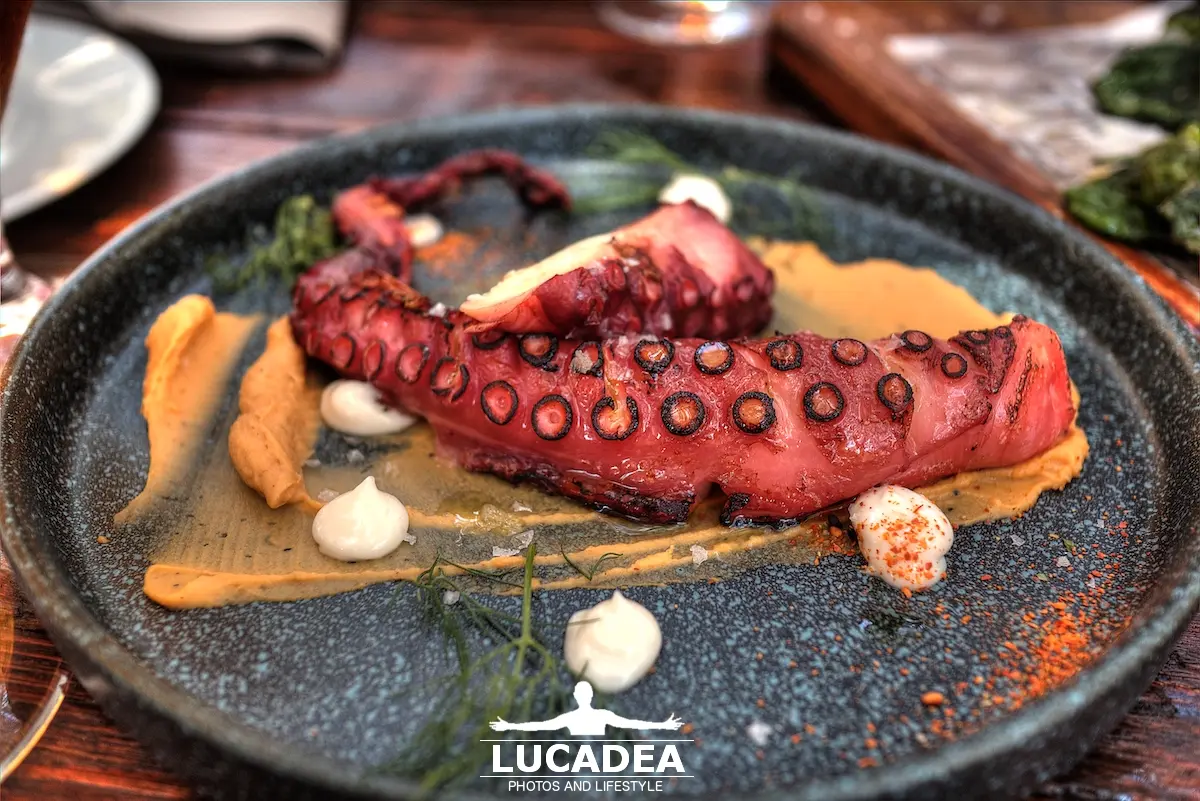
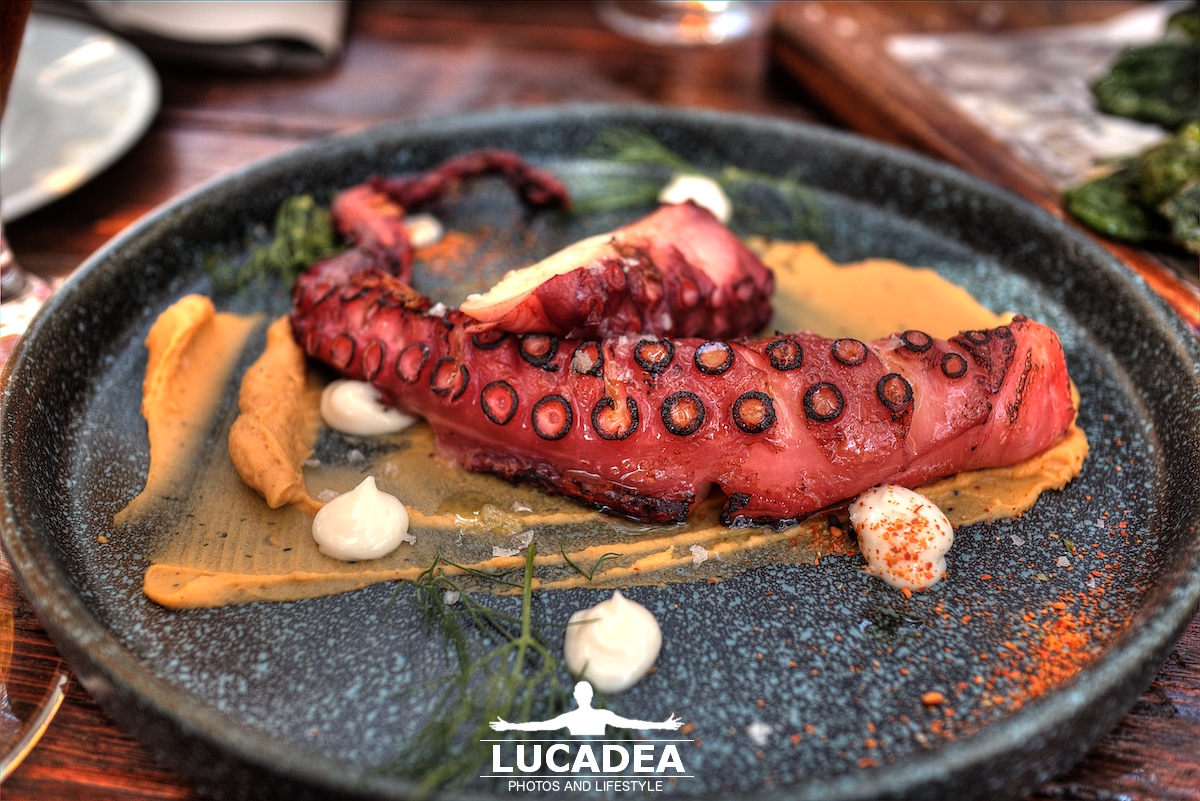
Octopus tentacle in Ibiza

Tentacolo di polpo ad Ibiza

Octopus tentacle in Ibiza.
One of my favorite seafood dishes is octopus. In Spain (as in the rest of the Mediterranean), it’s eaten almost everywhere and it’s almost always delicious.
This one, for example, I had at an exclusive little restaurant in Ibiza, the beach chiringuito at Cala Gracioneta.
It was truly excellent, but I won’t tell you how much it cost or you’ll think I’m crazy…

Do you like octopus? Add a comment or go to the bottom of the site to read what other visitors have written.

Tentacolo di polpo ad Ibiza

Photo taken with Canon EOS M100 camera and Canon EF-M 22 lens.

In some classes of mollusks, such as cephalopods, the tentacle is a useful means of hunting and moving: shining examples are the octopus and the squid, which have eight and ten tentacles, respectively. In these animals, the aforementioned limbs, very strong and robust, are often equipped with suckers (in the case of the octopus, double-rowed), which allow them to better grip rocks and capture prey more easily.
Continue and learn more on Wikipedia

Octopus tentacle in Ibiza – Tentacule de poulpe à Ibiza – Tentáculo de pulpo en Ibiza – Tentáculo de polvo em Ibiza – Krakententakel auf Ibiza – Xúc tu của bạch tuộc ở Ibiza – 伊维萨岛的章鱼触手 – イビザのタコ触手

The Bay of Silence on a February morning

La Baia del Silenzio una mattina di febbraio

The Bay of Silence on a February morning.
On a beautiful morning in February, exactly on February 29, 2024, armed with my ever-present camera, I captured the stunning bay that symbolizes my town, Sestri Levante, as well as my region.
With the sun behind me illuminating the houses, the photos turned out really well!

Do you like Sestri Levante? Add a comment or go to the bottom of the site to read what other visitors have written.

La Baia del Silenzio una mattina di febbraio

La Baia del Silenzio una mattina di febbraio

La Baia del Silenzio una mattina di febbraio

Photos taken with Canon EOS RP and lens Canon RF 24-50.

The Bay of Silence one morning in February 2024 – La Baie du Silence un matin de février 2024 – La Bahía del Silencio una mañana de febrero de 2024 – A Baía do Silêncio, em uma manhã de fevereiro de 2024 – Die Bucht der Stille eines Morgens im Februar 2024 – Vịnh Im Lặng vào một buổi sáng tháng 2 năm 2024

Houses by the sea on the island of Ibiza

Case sul mare ad Ibiza

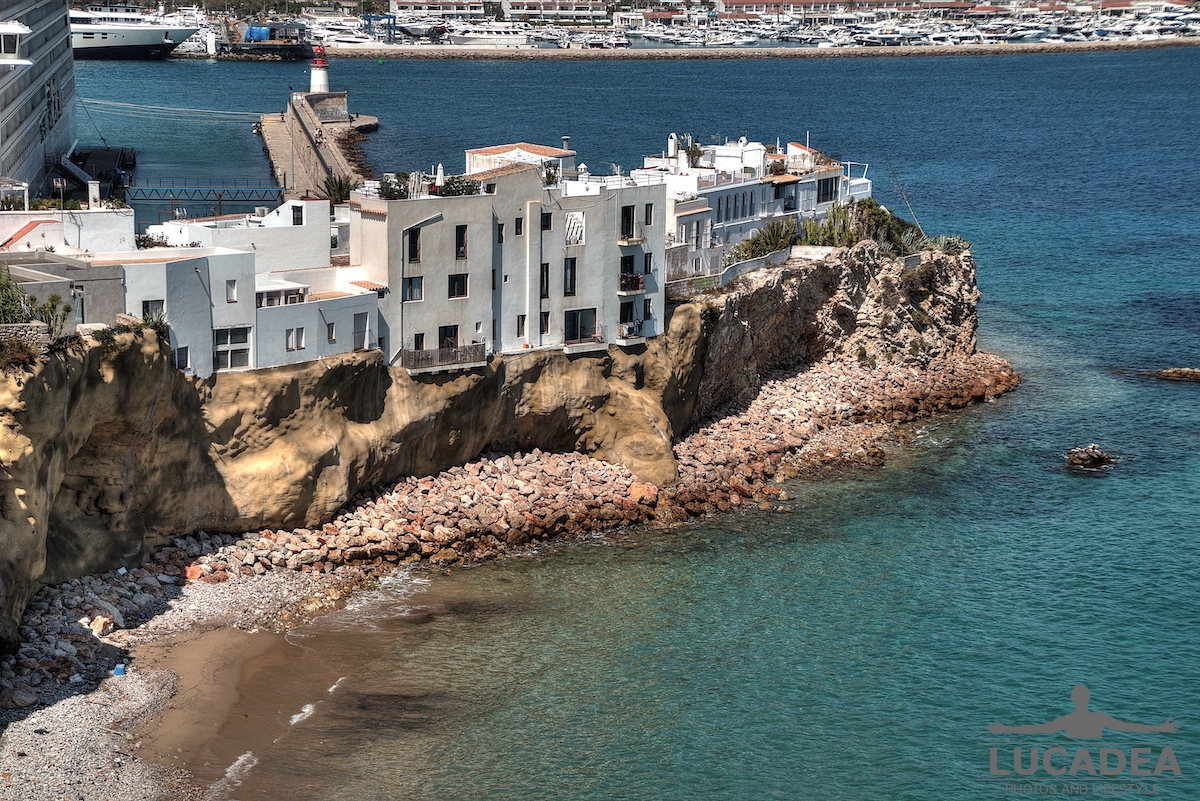
Houses by the sea on the island of Ibiza.
Beyond being the European capital of summer nightlife, this island is much more than that.
There are beaches, but also many hidden places that reveal themselves little by little. This is a small headland from which the town’s port begins. Inside these houses starts the narrow street called Carrer de la Mare de Déu, which hosts dozens of bars and small alternative, well-kept clubs.

Do you know Ibiza? Add a comment or go to the bottom of the site to read what other visitors have written.

Case sul mare ad Ibiza

Photo taken with Canon EOS M100 camera and Tamron 16-300 lens.

In 654 BC, Phoenician colonists founded a port in the Balearic Islands, calling it Ibossim. It became known to the Romans (who called it Ebusus) for its wine, marble, and lead. The Greeks, who arrived in Ibiza during the time of the Phoenicians, were the first to call the two islands of Ibiza and Formentera Pitiusai (Pityussai, “pine-covered islands”). With the decline of the Phoenicians after the Assyrian invasions, Ibiza came under the protection of Carthage. The island produced dye, salt, fish sauce (garum), and wool.
Continue and learn more at Wikipedia

Some houses by the sea on the island of Ibiza – Quelques maisons en bord de mer sur l’île d’Ibiza – Algunas casas junto al mar en la isla de Ibiza – Algumas casas à beira-mar na ilha de Ibiza – Einige Häuser am Meer auf der Insel Ibiza – Một số ngôi nhà ven biển trên đảo Ibiza

Zoom on houses in the Bay of Silence

Zoom case in Baia del Silenzio

Zoom on houses in the Bay of Silence.
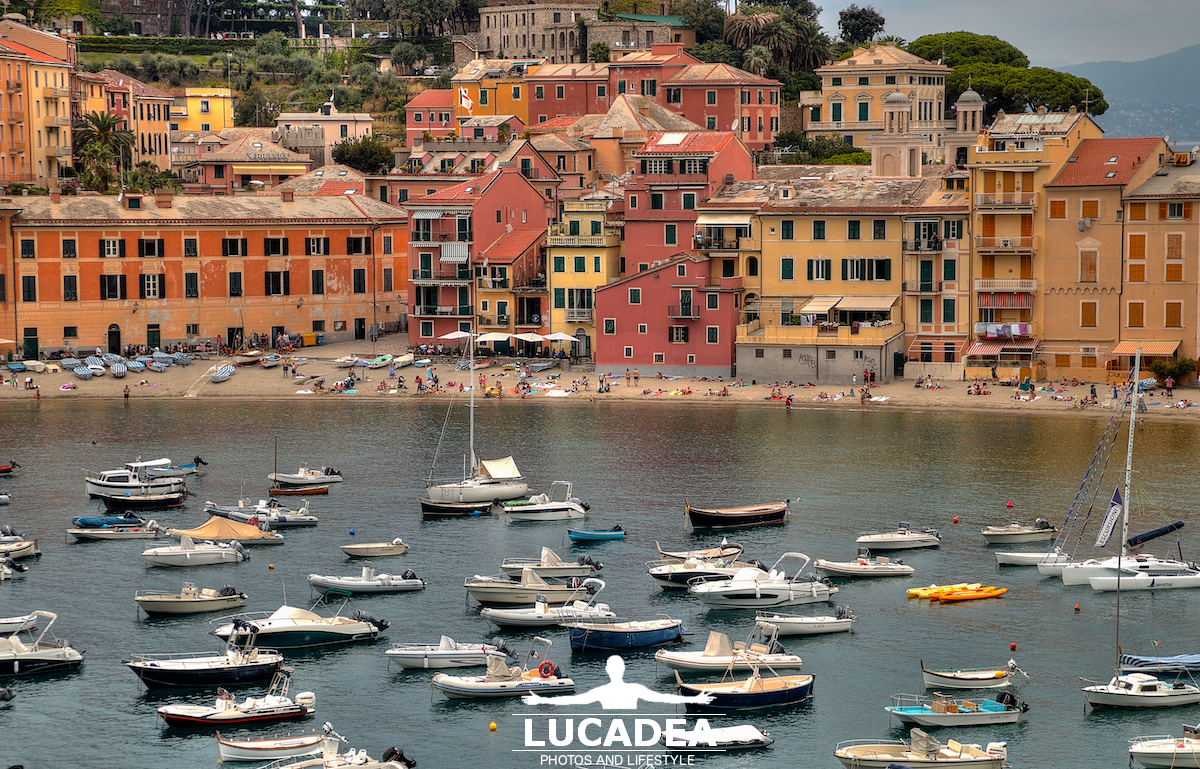
Some time ago I took this photo of our beautiful Sestri Levante.
The subject is always one of my favorites: the old fishermen’s houses, painted in bright pastel colors, standing just a few meters from the shoreline.

Do you know the Bay of Silence in Sestri Levante? Add a comment or go to the bottom of the site to read what other visitors have written.

Zoom case in Baia del Silenzio

Photo taken with Canon EOS M100 and lens Tamron 16-300.

The houses in Baia del Silenzio in Sestri Levante – Les maisons de Baia del Silenzio à Sestri Levante – Las casas en Baia del Silenzio en Sestri Levante – As casas em Baia del Silenzio em Sestri Levante – Die Häuser in Baia del Silenzio in Sestri Levante – Những ngôi nhà ở Baia del Silenzio ở Sestri Levante – 塞斯特里莱万特 Baia del Silenzio 的房屋 – セストリ レバンテのバイア デル シレンツィオの家々
🏠
  • Italiano